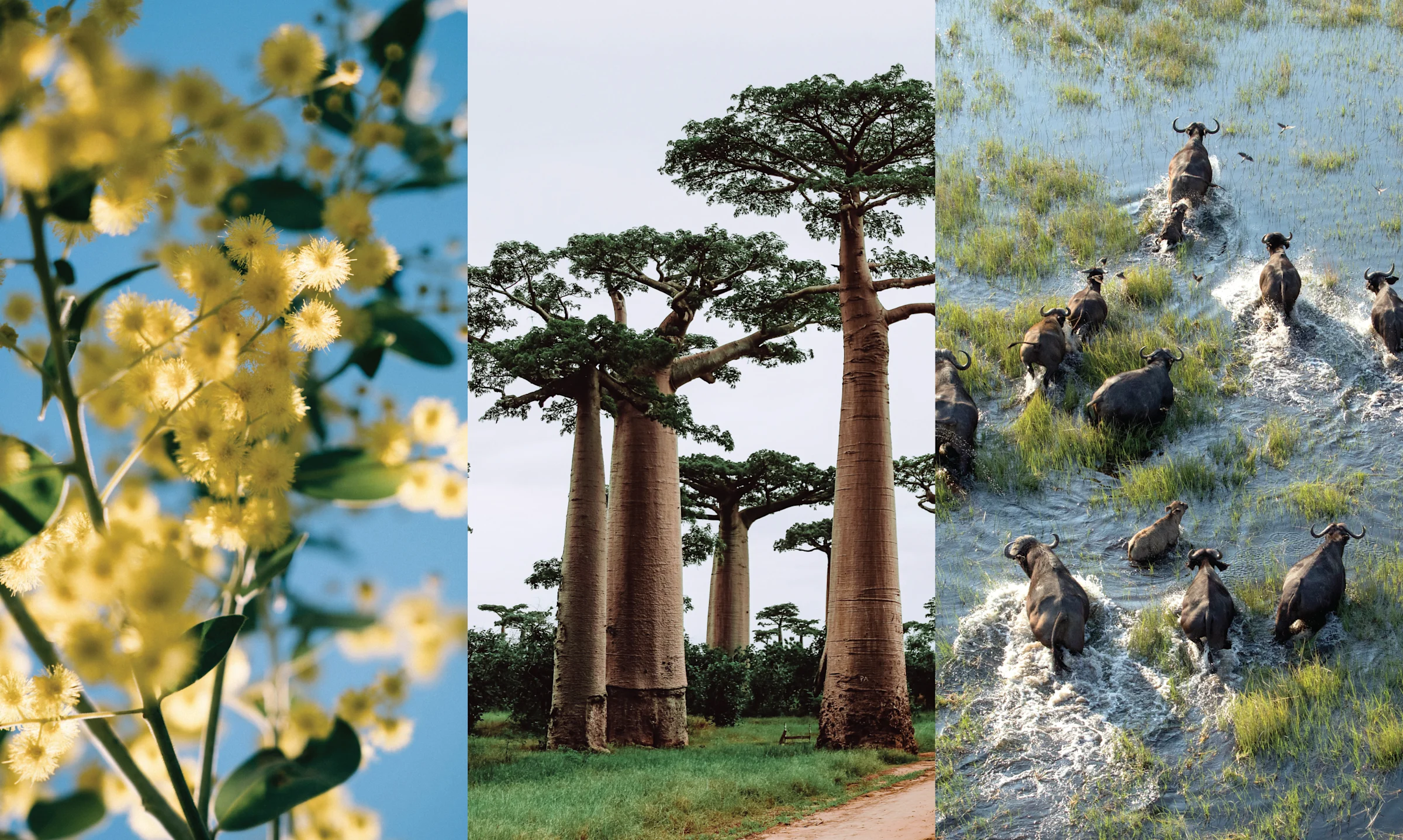
Walking through South Africa’s Lebombo Mountains — past granite boulders, tufts of fragrant grass, and towering trees — there’s an overwhelming amount of things to see, smell, and touch. It’s a sensorial experience: Inspecting the luminous green bark of the fever tree or catching a whiff of the sweet and the aromatic scent of wild sage when you rub it between your palms. Almost every plant has medicinal properties too. The roots of the guarri tree are used for gum pain. The sap of mother-in-law’s tongue (perhaps more commonly known as the snake plant), with its long, fibrous leaves, can help ease burns. A walk in the bush is a window into the rich world of plants, their properties and visual pleasures. It’s also a whole other lens through which to experience safari.
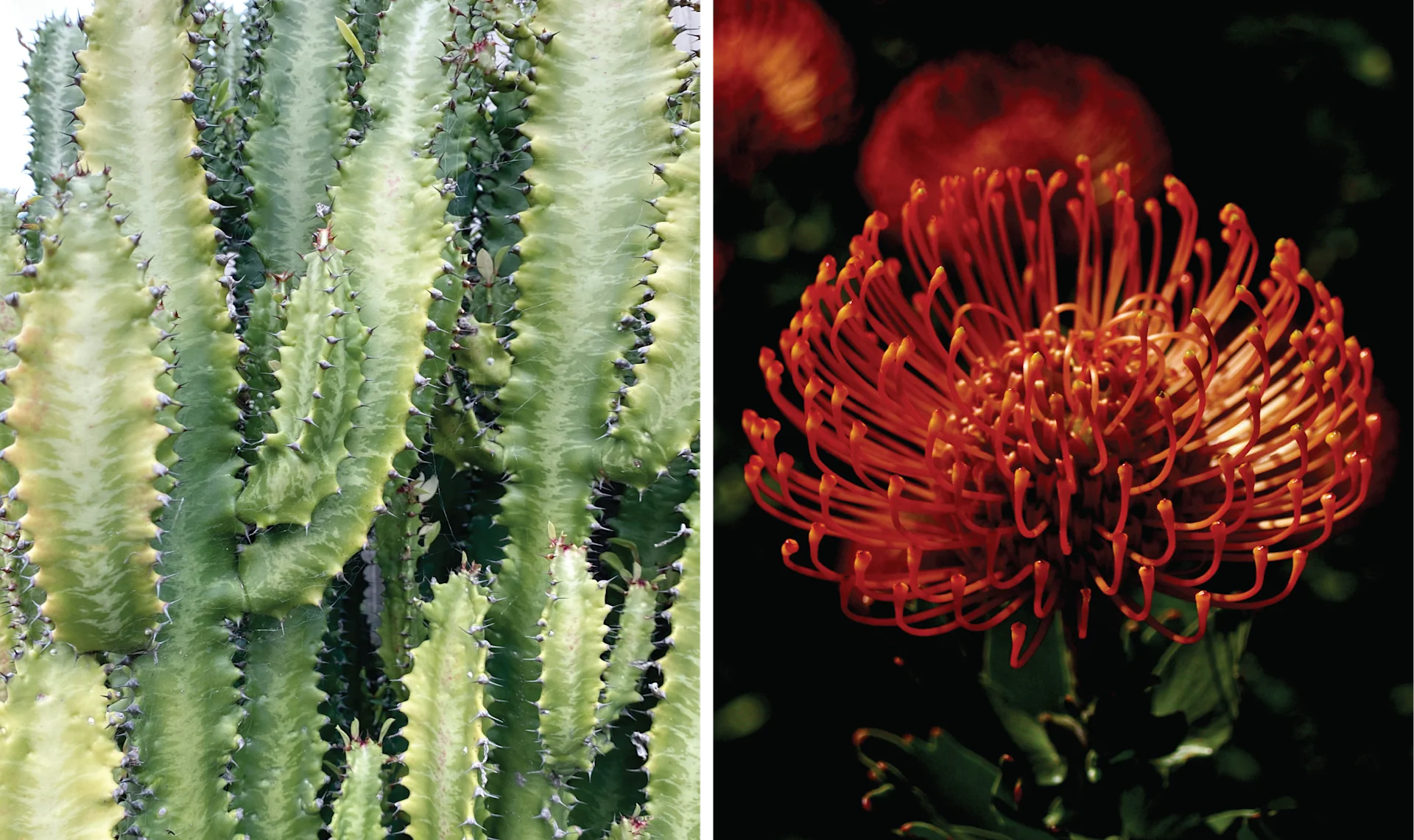
While most people who go to the bush will do so for the animals, more lodges are offering botanical-based experiences that highlight the flora as well as the fauna. “The activity is not only about looking at plants but understanding the entire ecosystem from pollinators to palaeontology, history and geology. It’s all in the details,” says Sean Ingles, general manager at Grootbos, a property tucked between the mountains and ocean in the Cape Floral Kingdom region outside Cape Town, where orange string-petalled fynbos dot the landscape. “Seeing how a plant has adapted to its environment or how its design is such that only one insect can pollinate is quite mind-blowing at times.”
In celebration of both sides of the natural world, here are five destinations in Southern Africa where the flora is just as breathtaking as the fauna.
Singita Lebombo, Kruger, South Africa
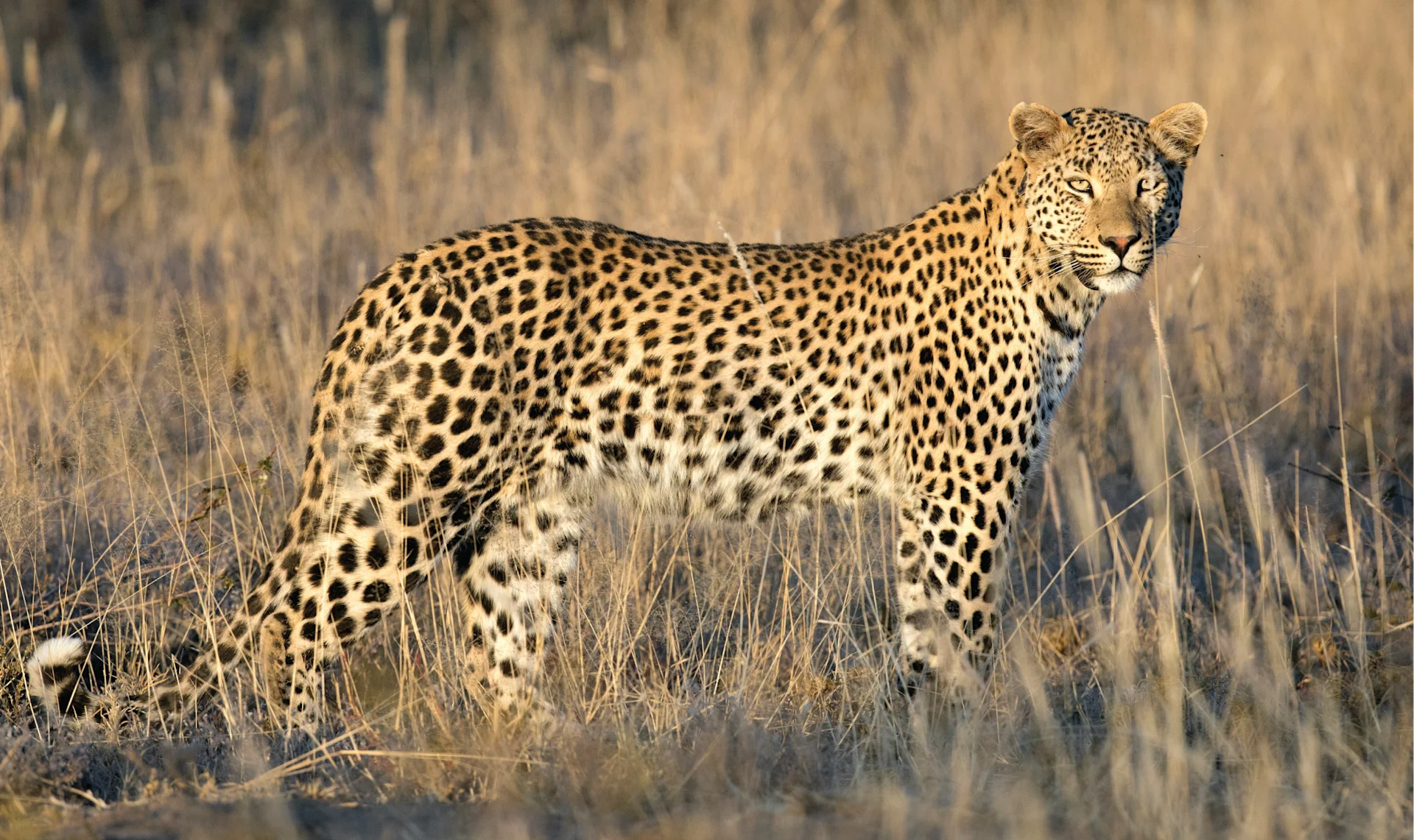
One of the benefits of Singita’s private concession on the edge of Kruger National Park, is that guides can drive almost wherever they want. If a leopard is a few feet away from the road, they’re able to get up close, which isn’t the case in the national park. Wherever you can drive you can pretty much walk too (with a guide, of course). Singita has two lodges on the reserve, Lebombo, a slick collection of glass-fronted chalets perched on a hilltop, and Sweni, set next to the river with seven colorful suites. Both offer walking safaris that wind through boulders and past extraordinary flora: knobbly baobabs, leafy mopane trees and euphorbias which look like upside down candelabras. While giraffes, elephants and other animals can be spotted along the way, the focus is often the smaller things.
The journey ends at the edge of the gentle river, where director’s chairs are planted on a patch of grass and a breakfast of granola, fresh fruit, and yogurt is served with hot coffee. In the background? The trickle of the stream and the hypnotic sound of bugs and birds — maybe the powerful whistle of a fish eagle or melody of the bokmakierie. Shangaan (a local group of people) trackers often lead the walks, sharing their knowledge about the plants and their medicinal properties — which have been used for centuries and are still used today.
Sanbona Wildlife Reserve, Western Cape, South Africa
When most people go on safari in South Africa they think of the Kruger National Park or Sabi Sands — not the Western Cape. But three hours from Cape Town lies Sanbona, a reserve that is totally unlike other parts of the country. Rather than dense vegetation and towering trees such as Marula, with a spreading crown as wide and rounded as an umbrella, and spiky Thorn trees (which you might find in the Kruger National Park), at Sanbona, you’ll be confronted with vast areas blanketed with succulents and renosterveld (grey-toned bushes that rapidly transform upon flowering stage). Located in the little Karoo, a semi-desert area that receives very little rain, the enormous landscape is made up of ancient rock formations and shrub-like vegetation. What the reserve lacks in thick bush, it makes up for with a biome that has 6,356 plant species.
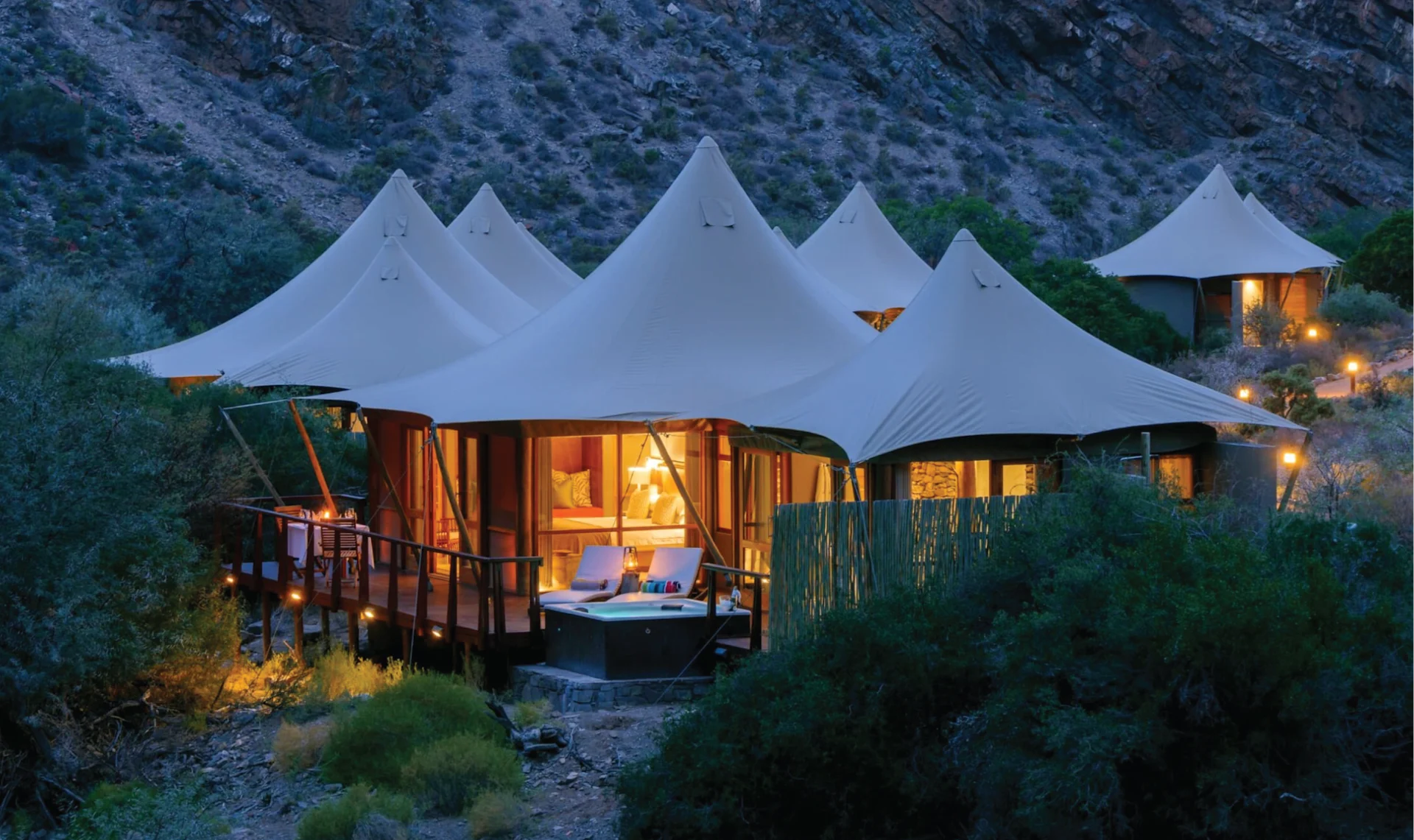
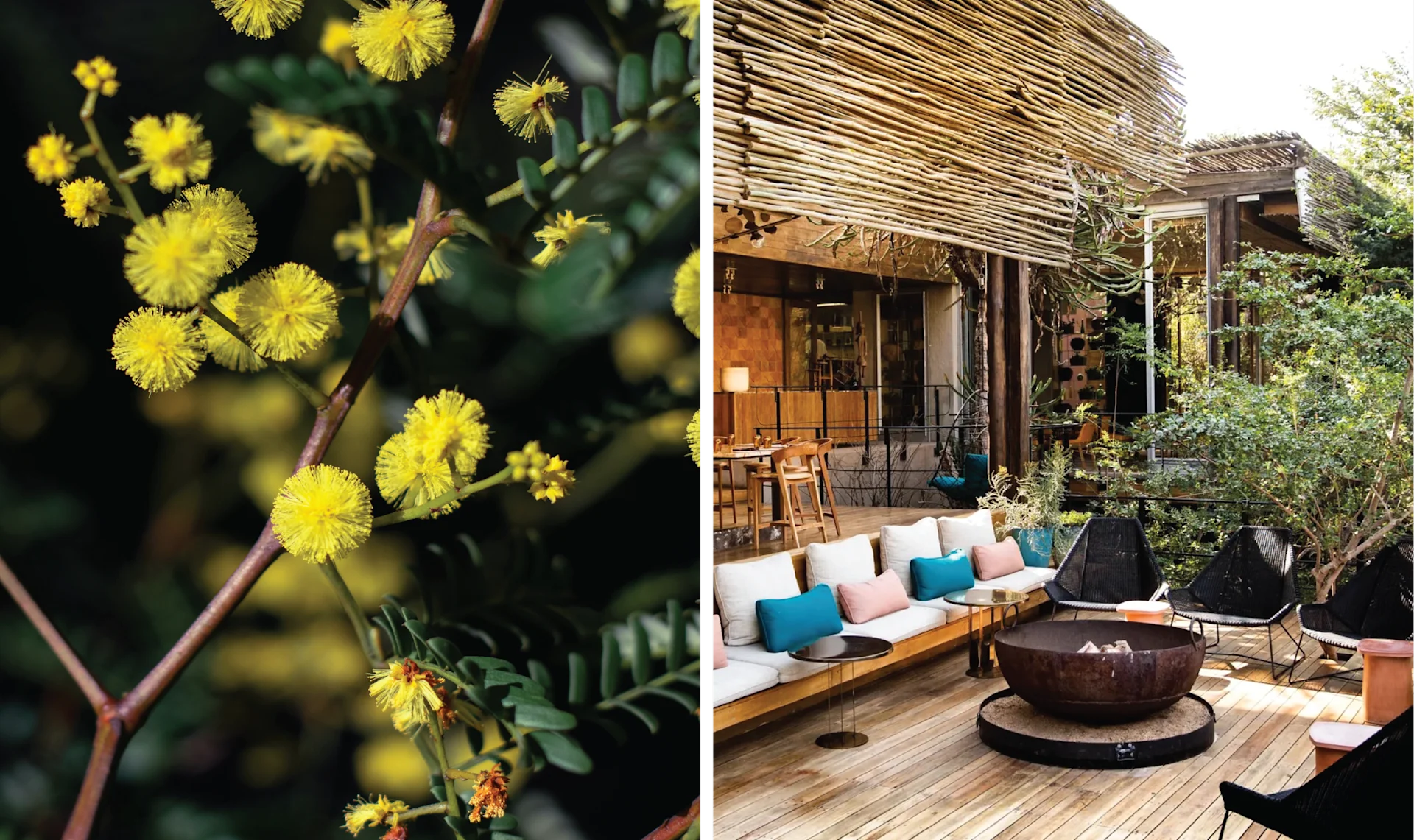
There’s also some 1,600 species of succulents, a whopping 16% of the world’s estimated 10,000 succulents. In the springtime, after the rains, the dusty landscape transforms into shades of yellow and pink with bright, sprouting bulbous flowers and succulents studded with purple petals. Guests check into one of three lodges: Dwyka Tented Lodge, Gondwana Family Lodge, or Tilney Manor. The most dazzling is Dywka, a tented camp with earthy fabrics and basket chairs, set deep in the mountains in an amphitheater of ancient rock. Days here are spent not only looking for plants but animals too: Giraffes, elephants, cheetahs, and lions can all be spotted here. Walks to historic rock cave paintings can be organized as well, where shadowy etchings of people and antelope line the stone walls.
Gorongosa National Park, Mozambique
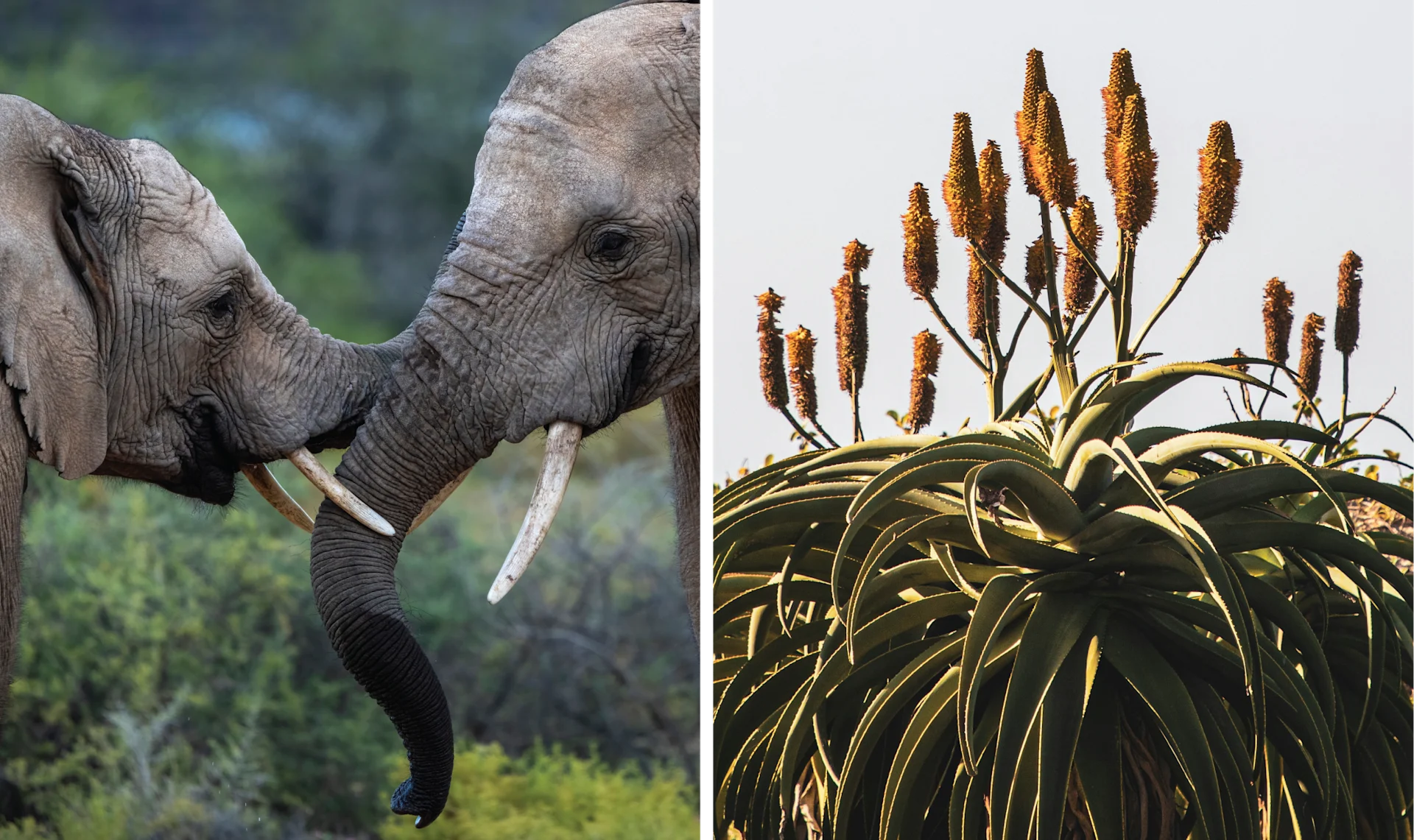
The famous biologist, conservationist, and natural scientist Edward O. Wilson conducted research in a few countries, but there was one place in particular that he could never quite get out of his head: Gorongosa National Park in Mozambique. The 1,500 square mile park at the southern tip of the Great Rift Valley indeed has reason to captivate lovers of the natural world. With a landscape made up of grasslands, savannah, dry forests, and limestone gorges, there is no one type of topography here. Within fifteen minutes of driving, you’ll likely experience several different habitats of flora.