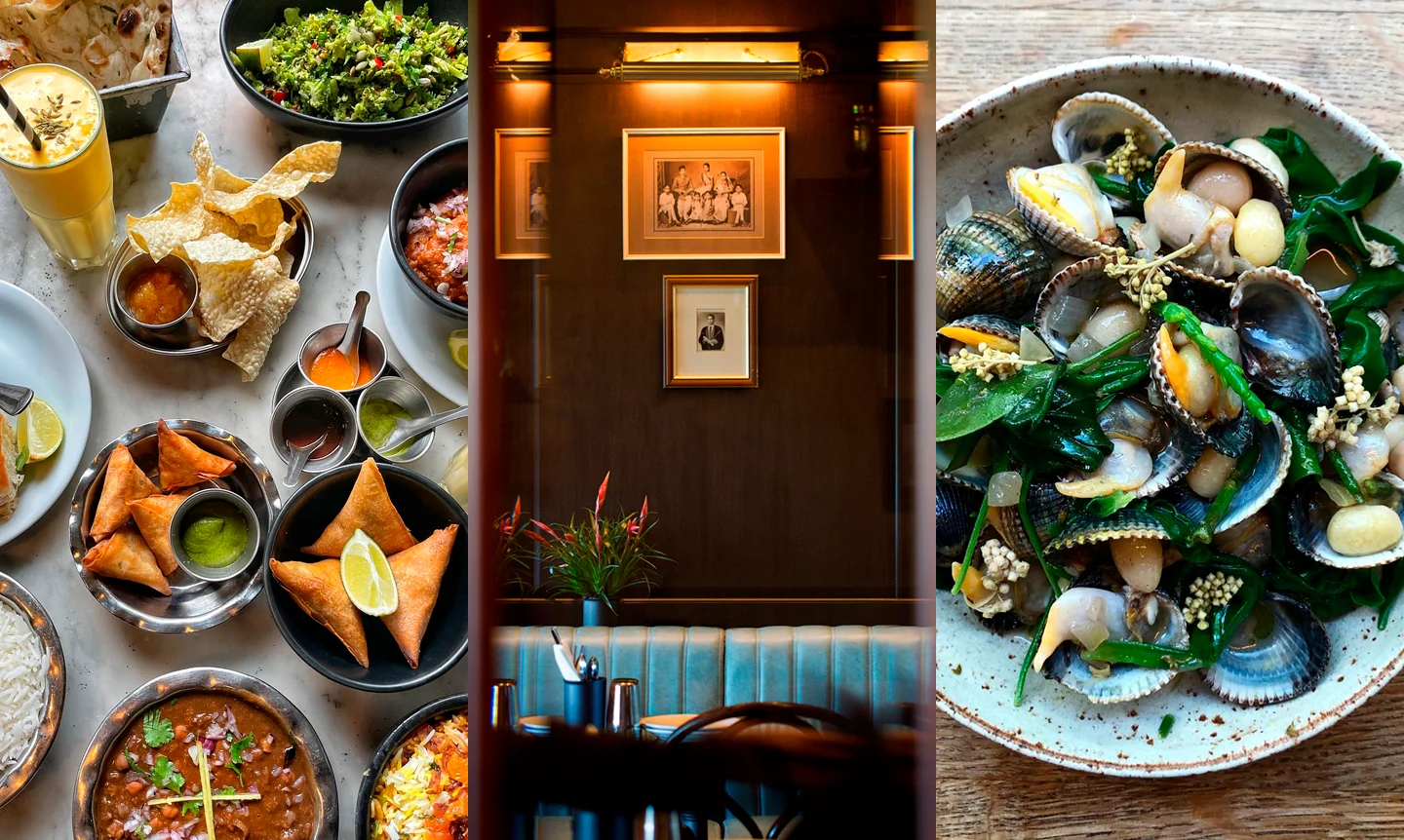
In hindsight, the Commonwealth was a wild idea: an economically-tied club of countries trying to recover from British colonial rule, led by… the British. It’s like attending an AA meeting only to find out that your sponsor is a bottle of Pinot Noir. Over the last seventy years or so, the Commonwealth countries have gradually removed the Queen as their head of state, making lingering ties to the Crown symbolic, at best. In 1952, the monarch presided over thirty-five countries across the world; as the Platinum Jubilee marks the seventieth anniversary of Queen Elizabeth II’s coronation, that number is now fifteen, with many of them making plans to become full republics.
In today’s London, you can see the effect of the Commonwealth not just in the parade of flags that line Horse Guards Road for the Jubilee, but also in the city’s diverse neighborhoods and restaurants. If New York is defined in many ways by Italian, Jewish, and Chinese immigration, and Los Angeles by Korean and Mexican, then London is colored red by the people of its former imperial dominions coming home to roost: from India, from Pakistan and Bangladesh, from Nigeria and Ghana, and from Jamaica, Trinidad, and Guyana. While central London mainly caters towards a globalized palate, with restaurants that could be found as easily in Le Marais or Tribeca, it’s the outer boroughs where the uniqueness of London’s dining scene can be found, with roti shops, curry houses, shopping centers, and canteen-like spots serving as de facto embassies for their own communities. Here is where you can find some of the best, in order of when they cut ties with the Crown and gained sovereign rule.
India (1950)
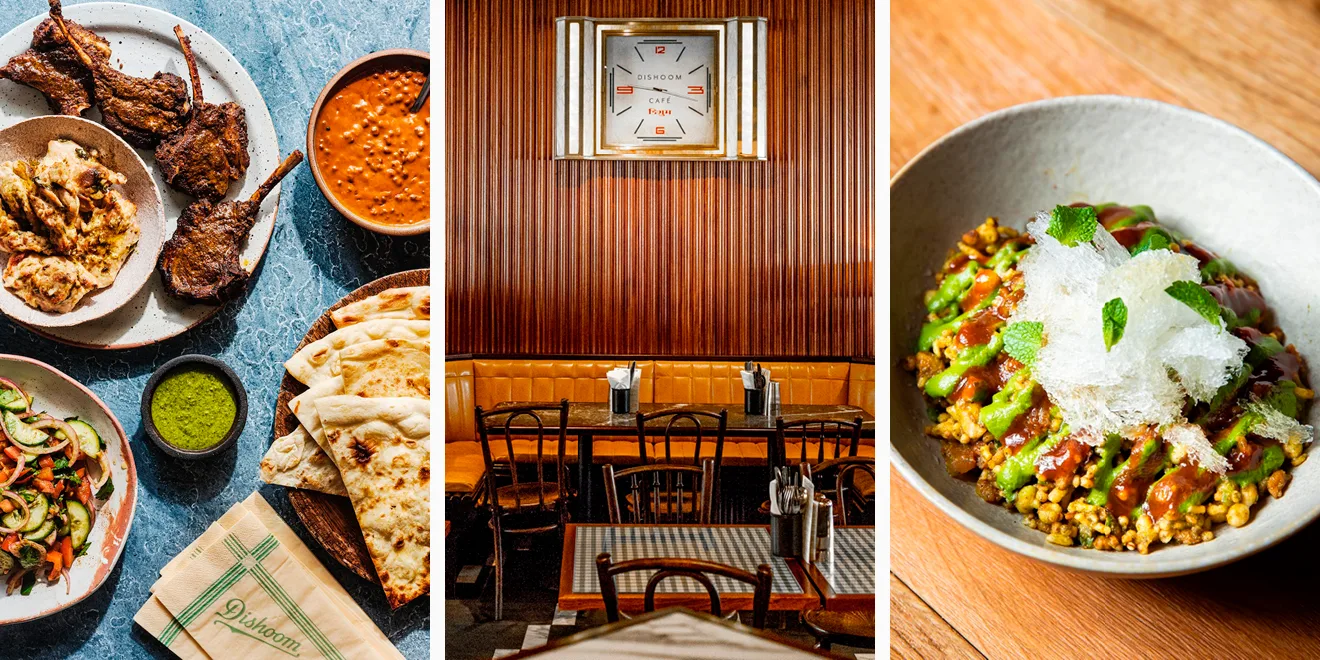
After Ireland, India was the first Commonwealth realm to become a republic, just three years after its independence in 1947 and two years before the Queen ascended to the throne. Out of all former Commonwealth realms, it has been India’s regional cuisines that have most profoundly influenced the make-up of London’s food culture; particularly Punjab, Gujarat, and, increasingly, Kerala. There are two ways to tackle Indian food in London. The first is to concentrate on its modern Indian restaurants, which are decidedly different from what you would find in Delhi or Mumbai. The bacon naan at Dishoom, (with its thick cut crispy Ginger Pig bacon, oozing fried egg, all wrapped in naan, is the idea every Indian restaurant wished they thought of, while the pear and granita bhel at Chet Sharma’s BiBi completely turns the already-chaotic category of chaat on its head. The second is to go east, west, or northwest: at Thattukada in East Ham, for instance, you can find incredible KFC (Kerala Fried Chicken), crispier and spicier than anything in Soho.
Pakistan and Bangladesh (1956)
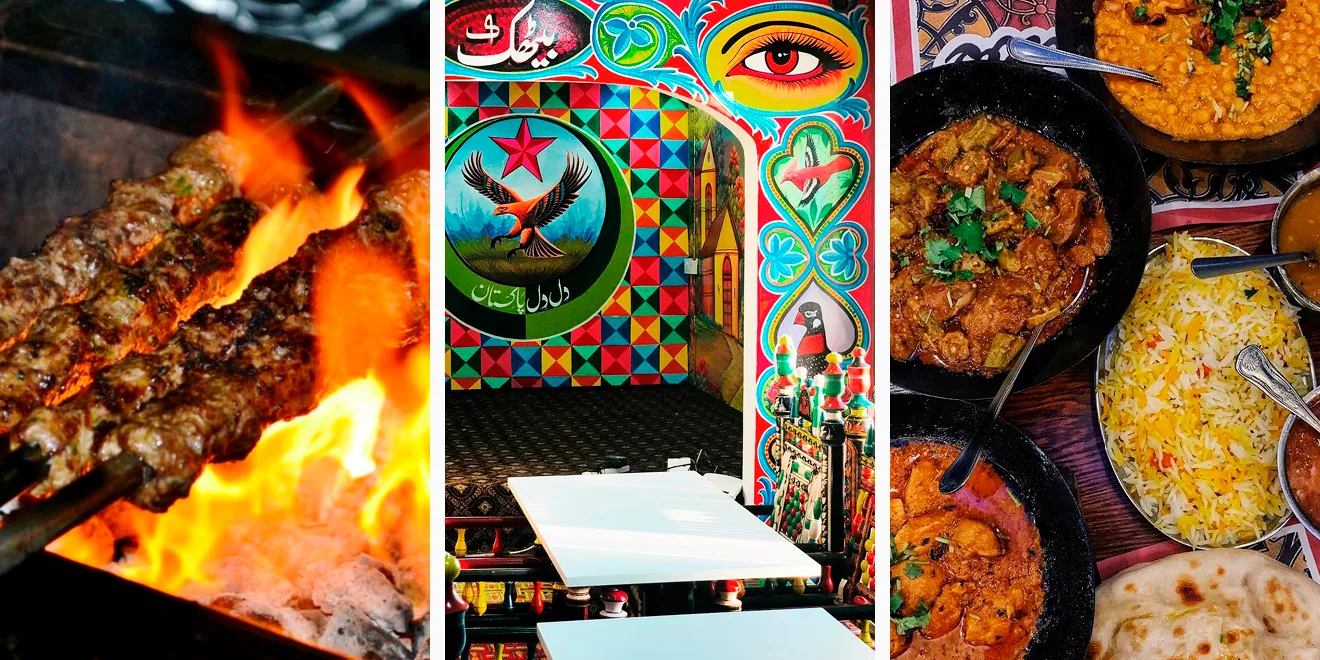
Part of the British Commonwealth since 1947, Pakistan officially drafted its constitution in 1956, separating from Queen Elizabeth II and emerging as an Islamic republic; fifteen years later, the country saw the secession of East Pakistan, which, after a nine-month civil war, became Bangladesh. Much of the cooking labeled ‘Indian’ in London is actually Pakistani or Bangladeshi, and chefs from both countries have helped create styles of cookery which are unique to London. Tayyabs, Needoo and Lahore Kebab House are the holy trinity of Punjabi-Pakistani grill houses, but for the real deal go down the road to Lahore One for methi chicken or Aladin’s Kebabish for the Karachi trinity of haleem, nihari and qorma. Alternatively, Taste of Pakistan in Hounslow does monumental Pashtun food: giant specter-shaped slabs of naan that sit at the head of the table like Banquo’s ghost, ready to mop up charsi karahi and chapli kebabs the size of 45 RPM records. For Bangladeshi food, you can go to Brick Lane, but avoid the tourist traps (anything with a picture of a Gordon Ramsay look alike in the window) and eat at the Sylheti canteen Graam Bangla, where you can get river fish curries and fermented condiments that are as pungent and complex as a dish from any central London Thai restaurant.
Ghana (1957) and Nigeria (1960)
Despite the Jollof wars, the cooking traditions of Ghana and Nigeria are much closer than any citizen of either country would like to admit, even if the latter has just started to penetrate central London’s food scene, while the former is still relegated to its margins.
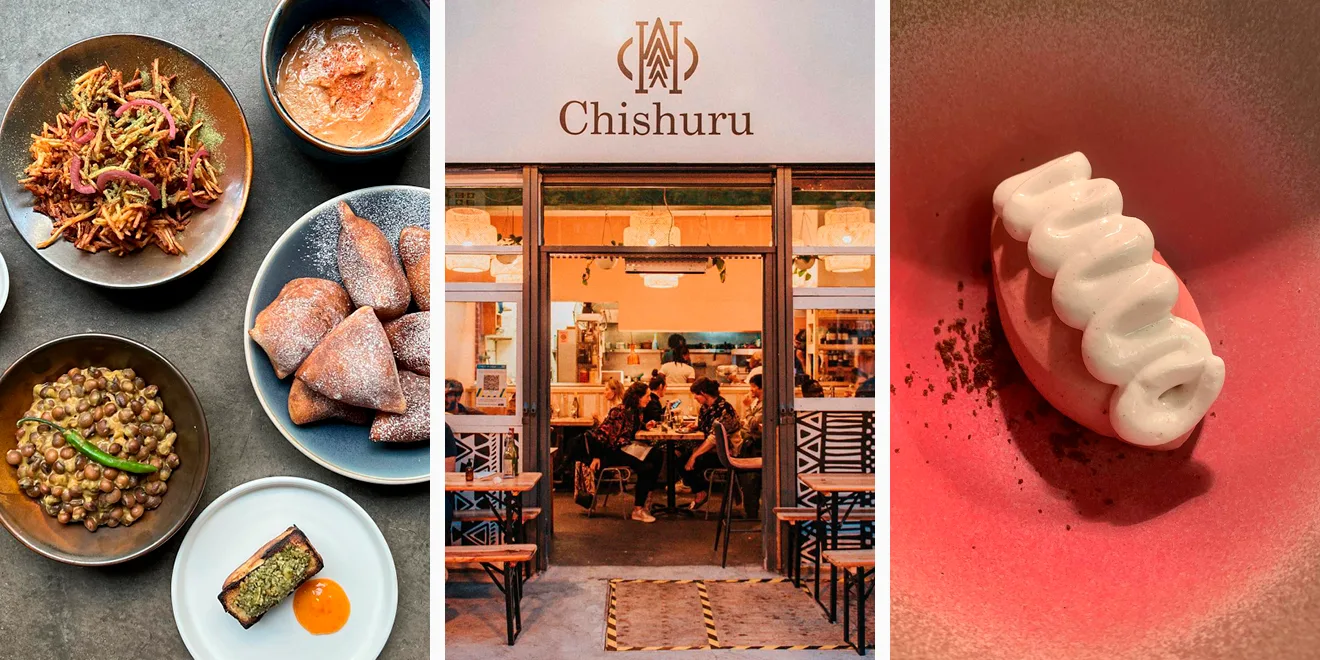
Ghana was the first to go; in fact, it was the first African country colonized by a European power to achieve independence from the British, under Kwame Nkrumah. Good Ghanaian food is mainly found east and south in small community restaurants like Asafo or lively bars like Kate’s Cafe, where Afrobeat musicians and even Zendaya have been spotted eating tchofi (turkey tails) and akonfem (guinea fowl). Meanwhile, Nigerian cuisine, which is slightly more commonplace, is having something of a moment in London—at least, for those who haven’t been paying attention to its decades-long presence in Peckham and Woolwich. Chishuru in Brixton Market, run by Joké Bakare, was recently voted by Time Out as the best restaurant in the city, taking the south, east and north of Nigeria but also the wider West African region as her inspiration, while the double Michelin-starred Ikoyi serves a tasting menu that repurposes West African ingredients to create a utopian cuisine that feels as if it’s of a different planet entirely (not an exaggeration— Jeremy Chan, the head chef, has claimed he’s as inspired by Martian landscape as he is by Lagos.) The dishes now change regularly, but you might find plantain with smoked scotch bonnet chillies, creamed spinach ehuru (African nutmeg), or smoked jollof rice with aged sheep kebab, crab custard, or flamed beets (black truffle optional).
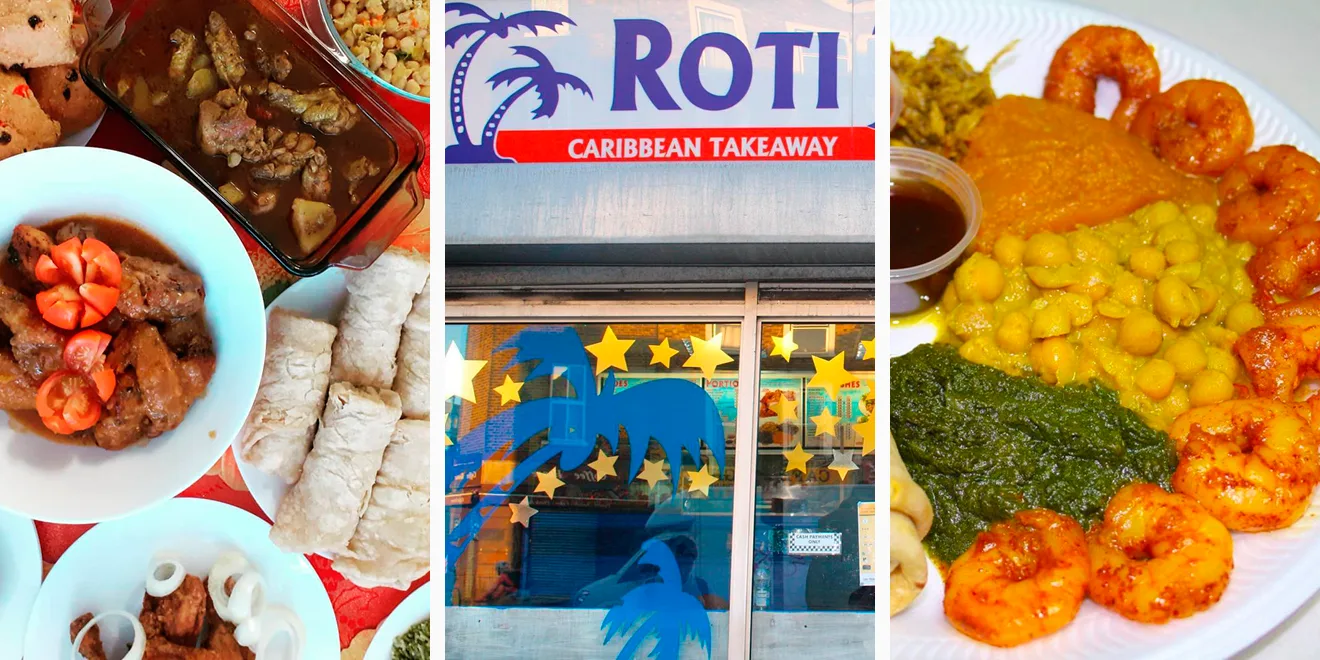
Guyana (1970) and Trinidad & Tobago (1976)
Both Guyanese and Trini food has been shaped by the forced movement of people around the British Empire. From 1834 until the end of WWI, Britain was in the practice of transporting about two million indentured workers from India, China, and Oceania to colonies that included Trinidad and Guyana, as well as South Africa, Kenya, Fiji, and Malaysia. It was this forced labor that introduced curries, rotis, and chow meins to the Caribbean repertoire. The best Guyanese restaurant, and one of the city’s best overall, is Faye Gomes’s Kaieteur Kitchen in the Elephant and Castle area, which serves food you’ll never tire of eating: spinach rice, dhal puri, stewed pumpkin, fried fish—food for everyday, rather than a special occasion. For guidance, just ask Gomes what’s good, and get a ginger punch. For Trini food, Roti Joupa serves doubles and roti so good that it will almost make you forget the embarrassment of being seen in Clapham—the type of area where you’d find Patrick Bateman, if he were a Londoner.
Sri Lanka (1972)
In 1972, the Queen was also ‘Queen of Ceylon’, a name which seems like it should have been retired a century earlier and only used to market a style of tea. Since then, there has been a blossoming of Sri Lankan restaurants in the capital, even in central London. Hoppers dolls out hoppers (lacy fermented rice flour pancakes) at prices that might make your mum cry, while Kolamba serves its take on HBC (hot buttered cuttlefish), a kind of Sri-Lankanized salt and pepper squid invented by Shandongese immigrants who came to the island after independence. Alternatively, head to Lewisham to Everest Curry King, a kind of Tamil canteen, and get a selection of curries, the best of of which is an outstanding aubergine and chickpea number, with the aubergine cooked until the skin has the bitter chew of liquorice and the texture of Japanese lacquerware.