What
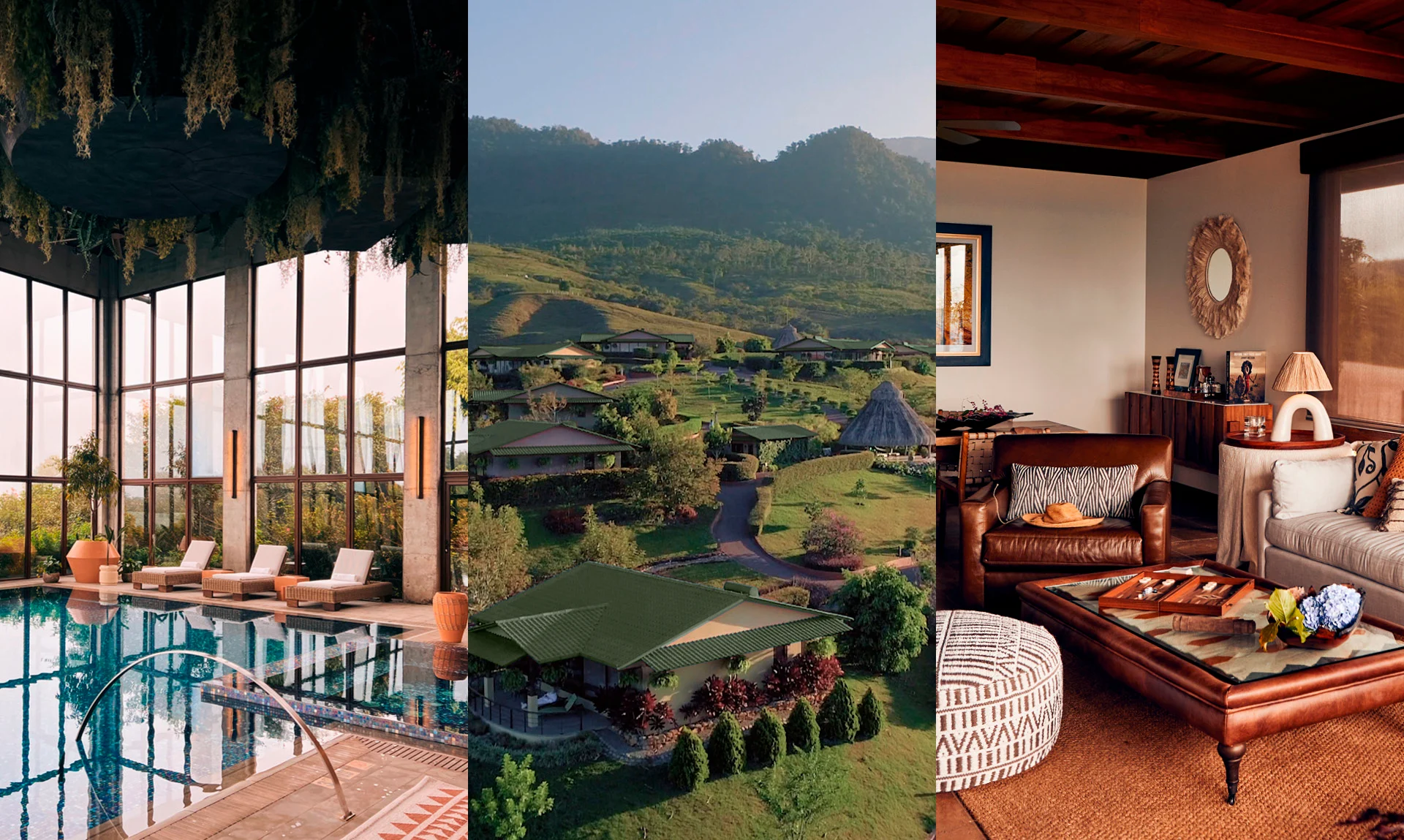
While it once may have gained a reputation for backpacking, ziplining, and surfing, Costa Rica of late has been increasingly developed for and explored by a new kind of traveler—one seeking out its culture, hacienda-style architecture, and a more individualized sense of wellness and adventure. Set in the quiet foothills of the Talamanca Mountains, the brand new Hacienda AltaGracia is the latest example, raising the luxury lodging standards to a new level with 50 private casitas offering individualized experience designers, equestrian stables and a riding ring with 40 horses, a calendar of included daily culinary and wellness offerings, and a 20,000 square foot spa—the largest in not only the country but all of Central America. On a former coffee farm surrounded by the ever-green, lush, and largely rural interior of the country, it’s a place from which to see a different beat in Costa Rica, one that isn’t jungle focused or coastal, but based on some of the local traditions of the country’s agricultural inland.
Who
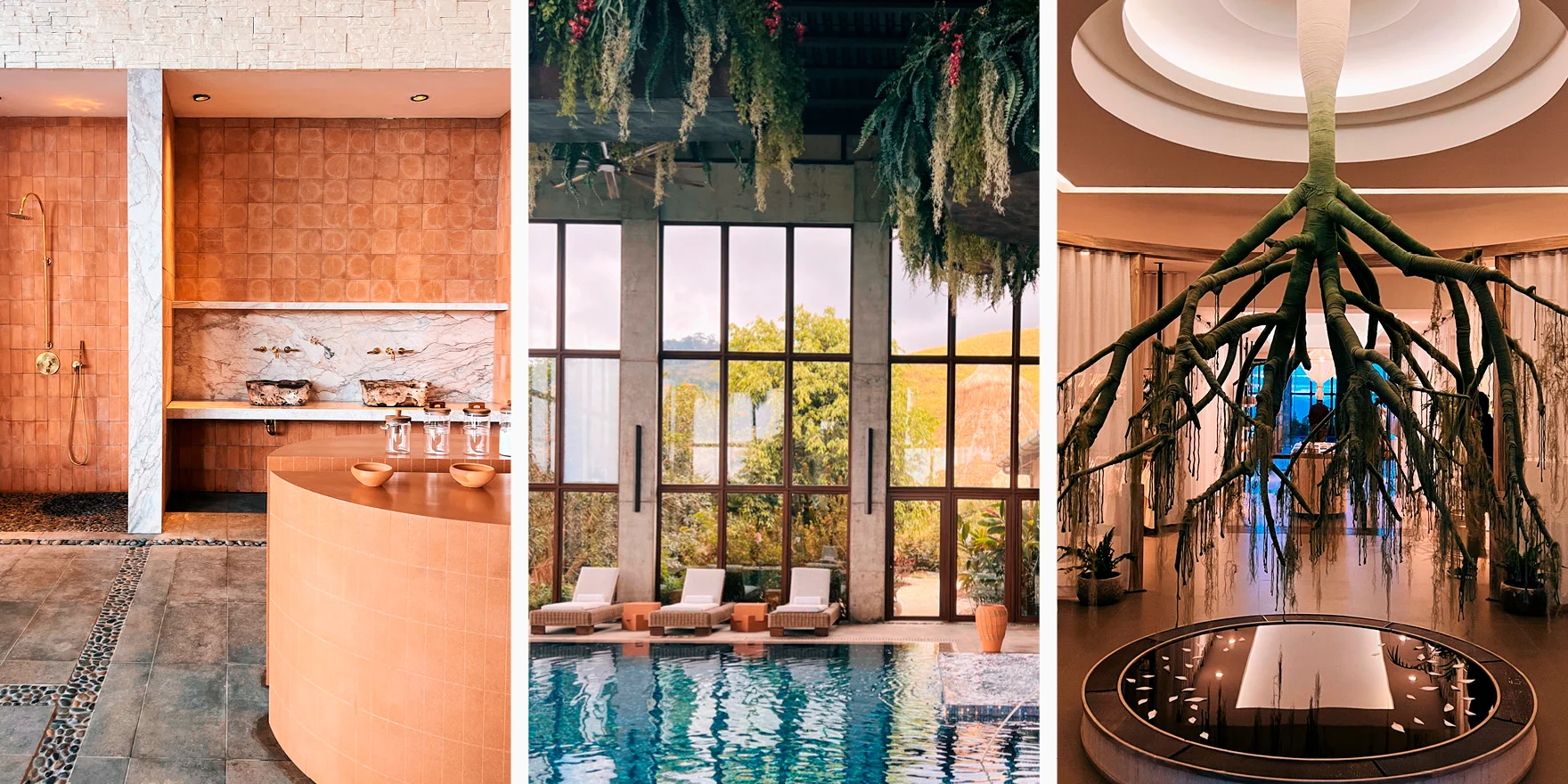
The hacienda-inspired design—and the feelings of being in a traditional home, and among friends and family—extends to the hospitality. The service is warm, personable, and happy, and everyone is really enthusiastic to talk about the property. Manager Mark Wright and director of marketing Jemma Wright succeed at having you feel hosted by them (they’re present on the property, sometimes with their own children), and everyone strives to greet guests by their first names at all times. AltaGracia has partnered with The Well, a New York City-based integrative wellness space and brand with a comprehensive spa, classes, cleanses, health coaching, functional medicine program, and more. And as such, the full-service wellness program on site is meant to support, rest, and reenergize rather than deprive. While The Well brought over some of their most popular types of treatments from New York City, the resort does a great job at incorporating products and experiences reflective of the local surroundings—from the botanics they use in their treatments to the garden clay used in the masks.
The Route
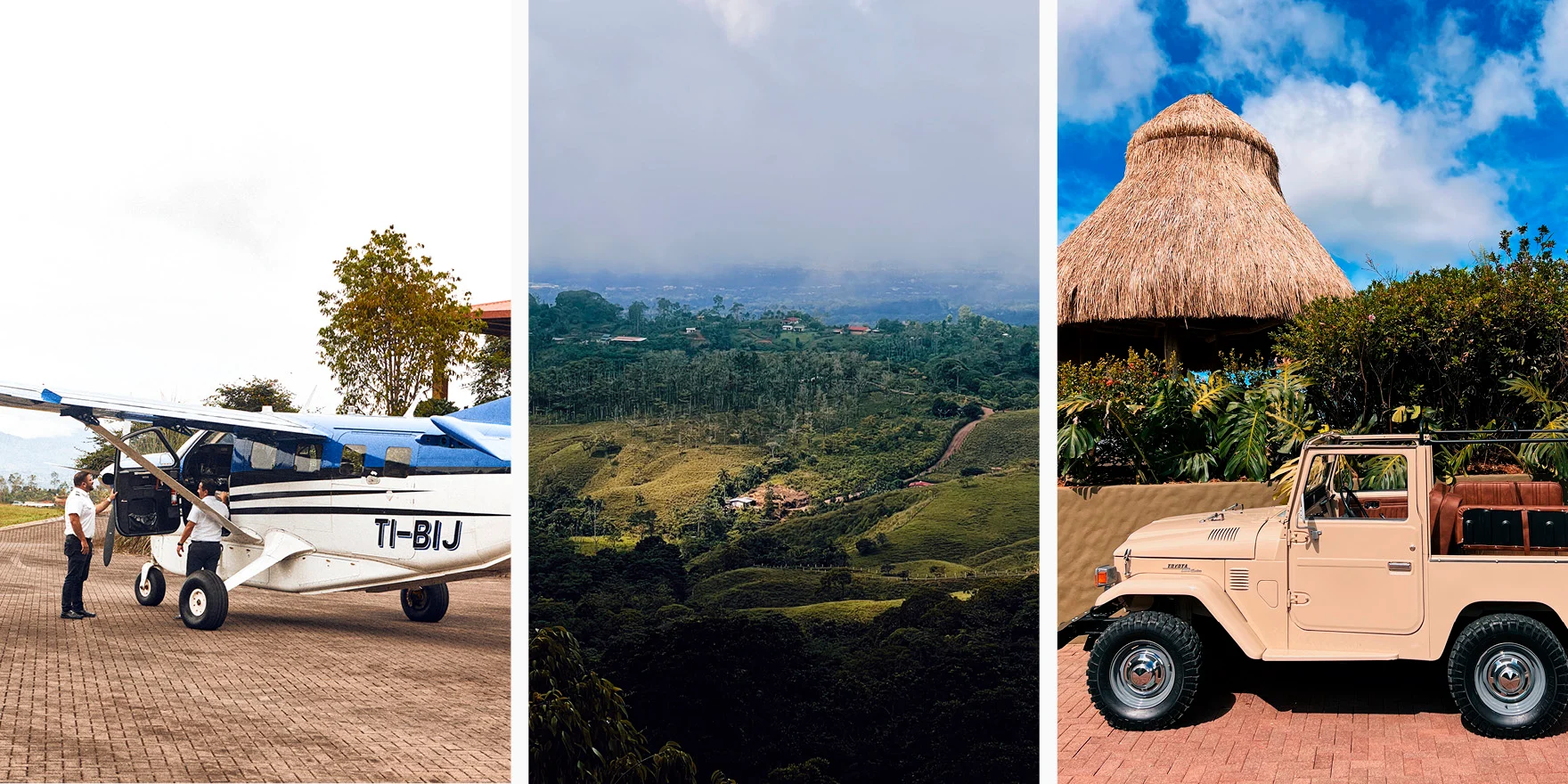
San Jose airport is the most accessible international entry into the country, and once guests have landed there, the hotel first greets them upon arrival then take them to a private terminal to clear customs and immigration without waits. They then provides a few options for the remaining travel: Guests can charter (for an additional fee) a connecting flight to land directly on the airstrip of the hotel or to nearby Pérez Zeledón, where the hotel is then a 35 minute drive away. Either of these may require leaving at a certain time of day (in the season we went: early morning) due to a fog that often sets in later in the day. AltaGracia can alternatively set up a private vehicle transfer from the airport, which is about a 4 to 6-hour drive. Note that experiencing Costa Rican driving is an adventure in and of itself, but the ride is a beautiful one.
The Scene
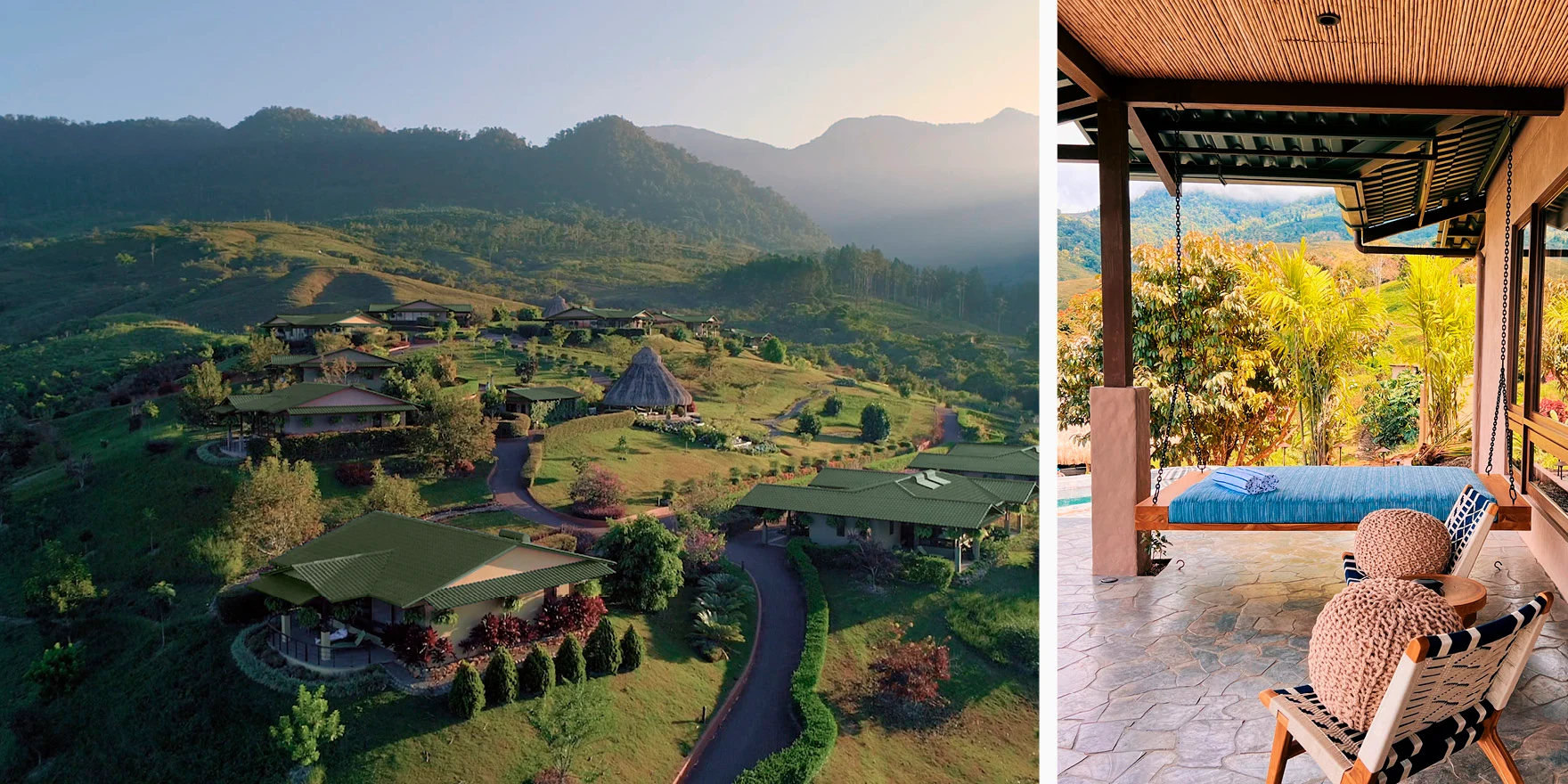
This is a place to get away from it all, and to stay and enjoy the features within the hotel the majority of time. While the beach is technically reachable, the experience at AltaGracia is more about the in-resort and inland offerings, so much of which centers around the several restaurants, spa, stables, yoga classes, and curated experiences. While the hotel doesn’t necessarily feel isolated, the surrounding land is very lush and offers a welcome feeling of seclusion—a combination of rainforest and agricultural in look and feel. The attention given to immersing the hotel and its offerings into the local Costa Rican architecture and traditions is easily felt, and appreciated. For example, as the property was once a coffee plantation, AltaGracia staff recently planted 7,000 coffee plants in order to have their own harvest in a few years’ time. And as the buildings are set near the Calientillo River, AltaGracia’s spa centers around water, steam, and heat, with heated stone beds, a tranqulity pool with water jet neck massagers, and spa treatments that actually take place in the river, using an in-river massage bed or riverside herbal baths.
The Design
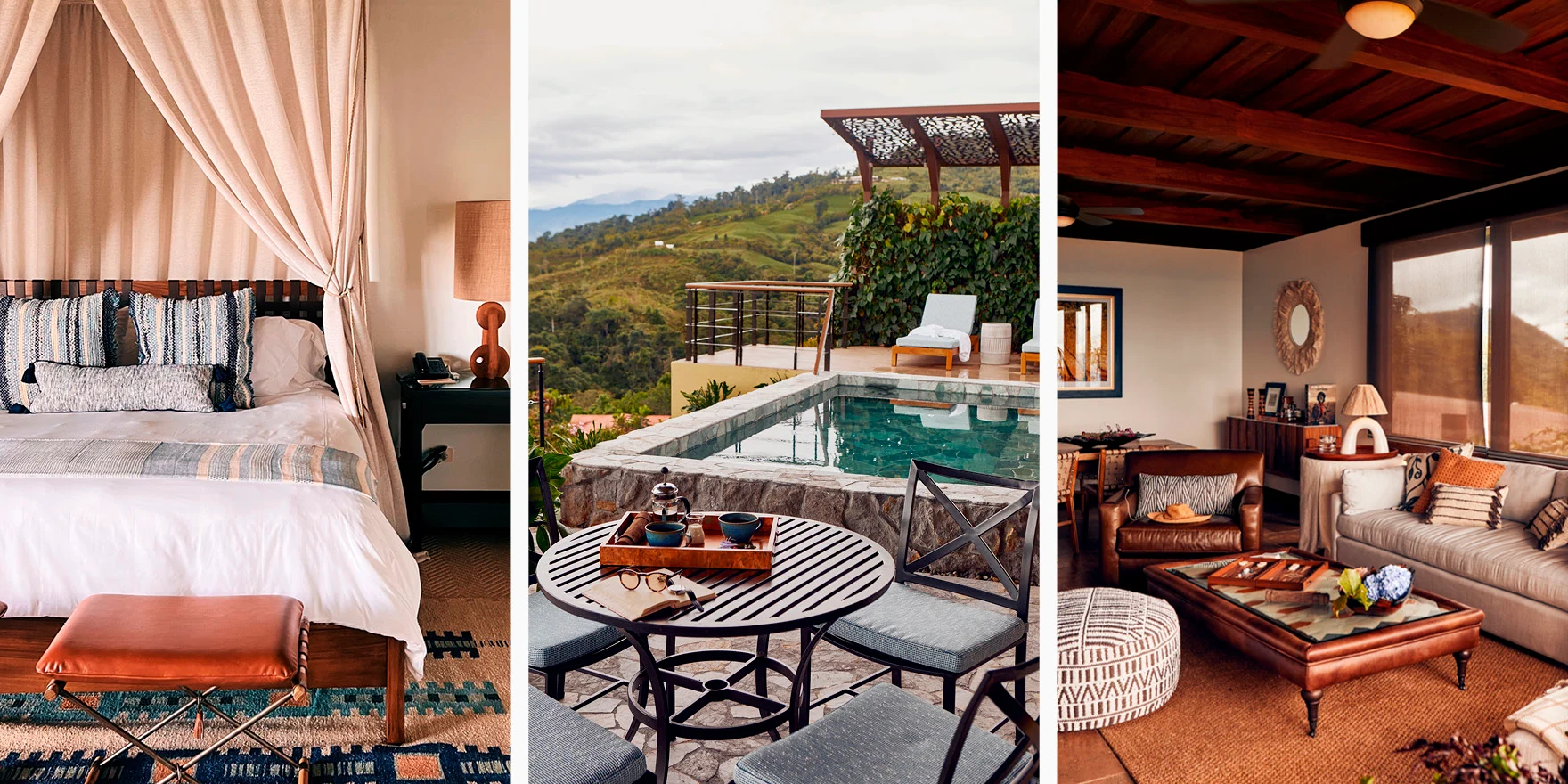
Natural fibers, warm neutral tones, and weathered wood help suffuse comfort and calm throughout the spaces, and the hacienda-inspired design overall gives a really domestic feel to the place. Common space and casita space are both generous, there’s a coffee shop that is open all day and incredibly good—which feels also like a meeting place of sorts—and you can purchase so much of the art hanging on the walls, pieces from the room, woven hats, and more that you see around the property. From heavy red timber to white stone and terra cotta, there are plenty of local and natural materials.
The Surroundings
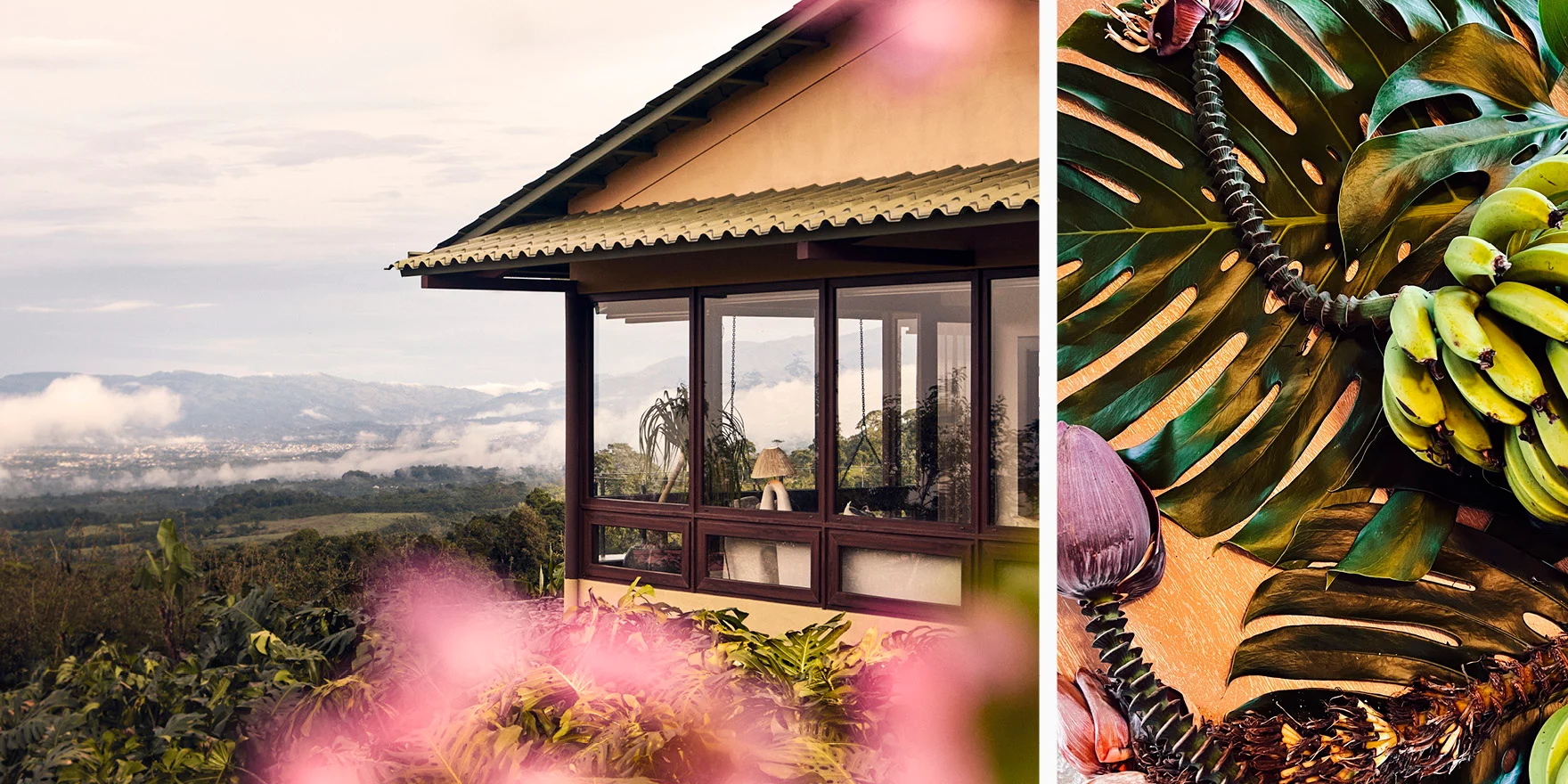
The landscape is incredibly lush, and in lieu of formal gardens, the hotel added to the property natural-feeling and abundant plantings of greenery and flowers. With that came a multitude of birds like toucans and other iridescent species: Bird watching is just part of walking the property and not something you have to go out and do. In terms of what there is to go out and do, much of it is coordinated and ideated with the staff on property, including each guest’s personal Compa or experience designer, who is assigned for the duration of the stay. You can contact this person for everything from setting up a private picnic lunch or recommending a nature excursion, to coordinating a pickup from a cart on property, which take guests back and forth between casitas, restaurants, and other on-resort destinations since it is pretty spaced out.
The Food & Drink
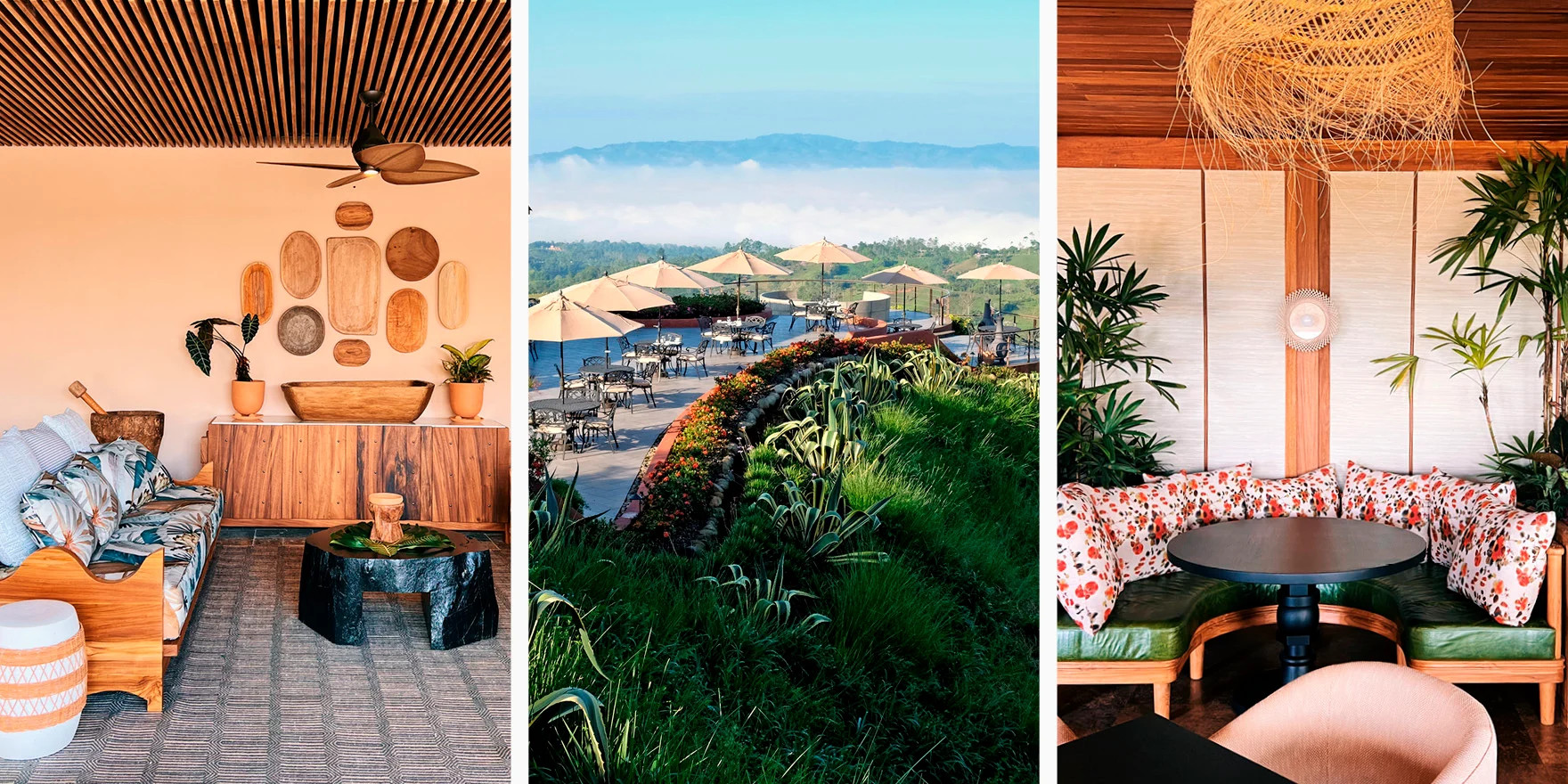
With a farm-to-table leaning, most of the food on property comes from within a certain radius, and it’s palpable in the hyper-fresh flavors. In addition to the coffee and snack shop Mercado, another more formal dining space has a rotating dinner menu as well as an outdoor space that is used for breakfast. There is also a poolside restaurant that serves a curated lunch and juice-focused cocktail menu. The culinary experience is as holistic as the rest—all food and drink (aside from alcohol) is included in the price of a stay. The portions are really sizable, but the availability of anything leads to often just ordering a three-course meal. Highlights were a Costa Rican breakfast with plantains, beans, rice, eggs, and more in a banana leaf wrap, and anything with seafood (prawns, ceviche) or that came from nearby (local fruit like mangos, crisp lettuces, chiles). Even if there for 3 to 4 nights, there is enough on the menu to work your way through and be intrigued, with very few misses. On Cienfuego nights (currently Thursdays), everything from vegetables to seafood to lamb is on offer—cooked over fire and served in a communal setting, with intermittent rodeo-style festivities to watch, performed by the staff. While there’s not really a “downtown” anywhere nearby to go exploring restaurants, there are plenty of culinary experiences nearby that the hotel can help set up, from Costa Rican coffee tastings to traditional lunches on nearby farms.
A Day Beyond the Hotel
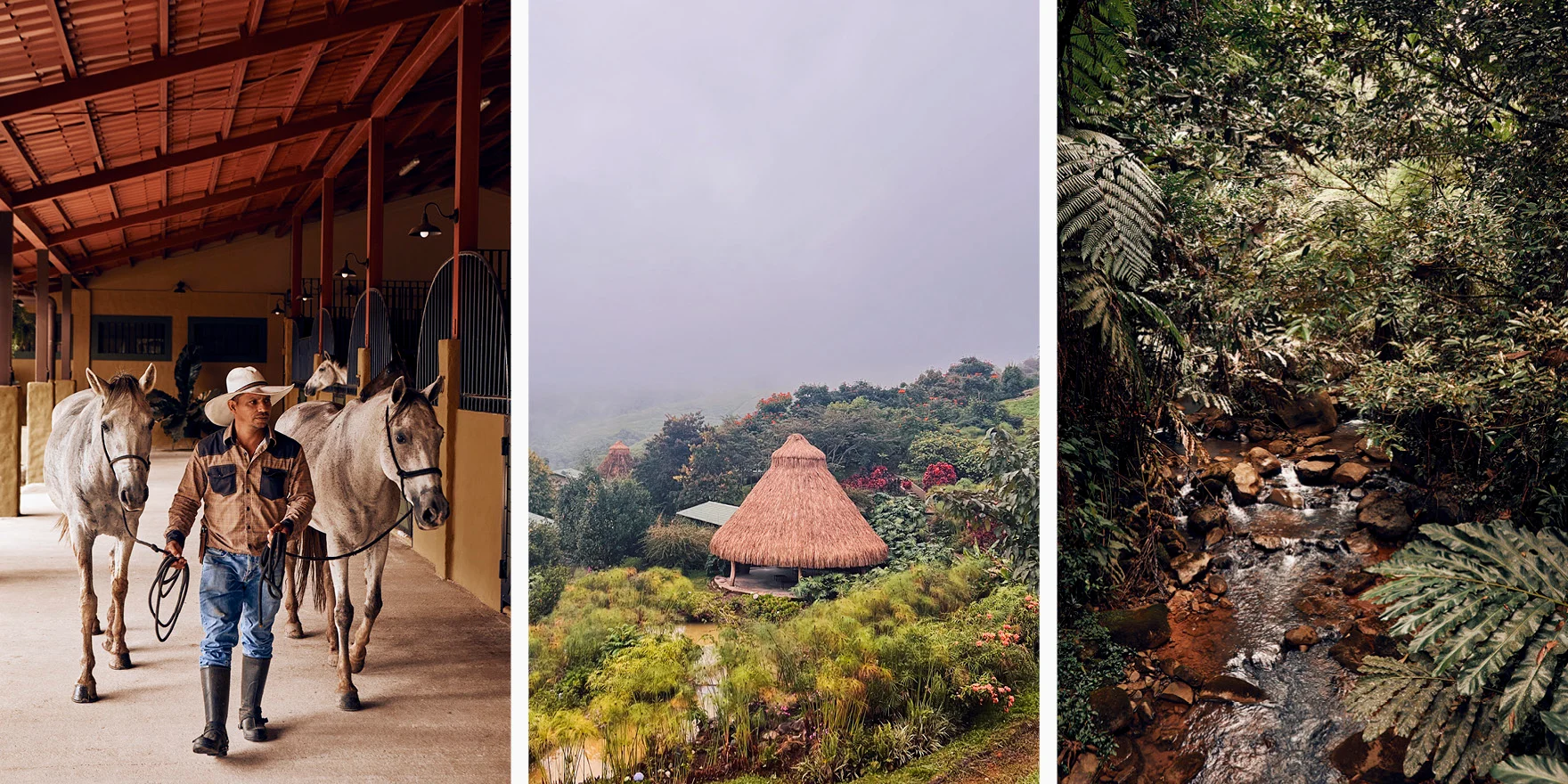
Ficus tree climbing, a visit to Corcovado National Park, surfing in Uvita, horseback riding, local farms and Costa Rican coffee tasting—the hotel staff and experience menus are full of options in addition to the on-site activities. Though the hotel provides a weekly calendar of gratuitous wellness experiences from yoga glasses to cocktail workshops, these additional off-site adventures are an additional cost to the guest.