Where
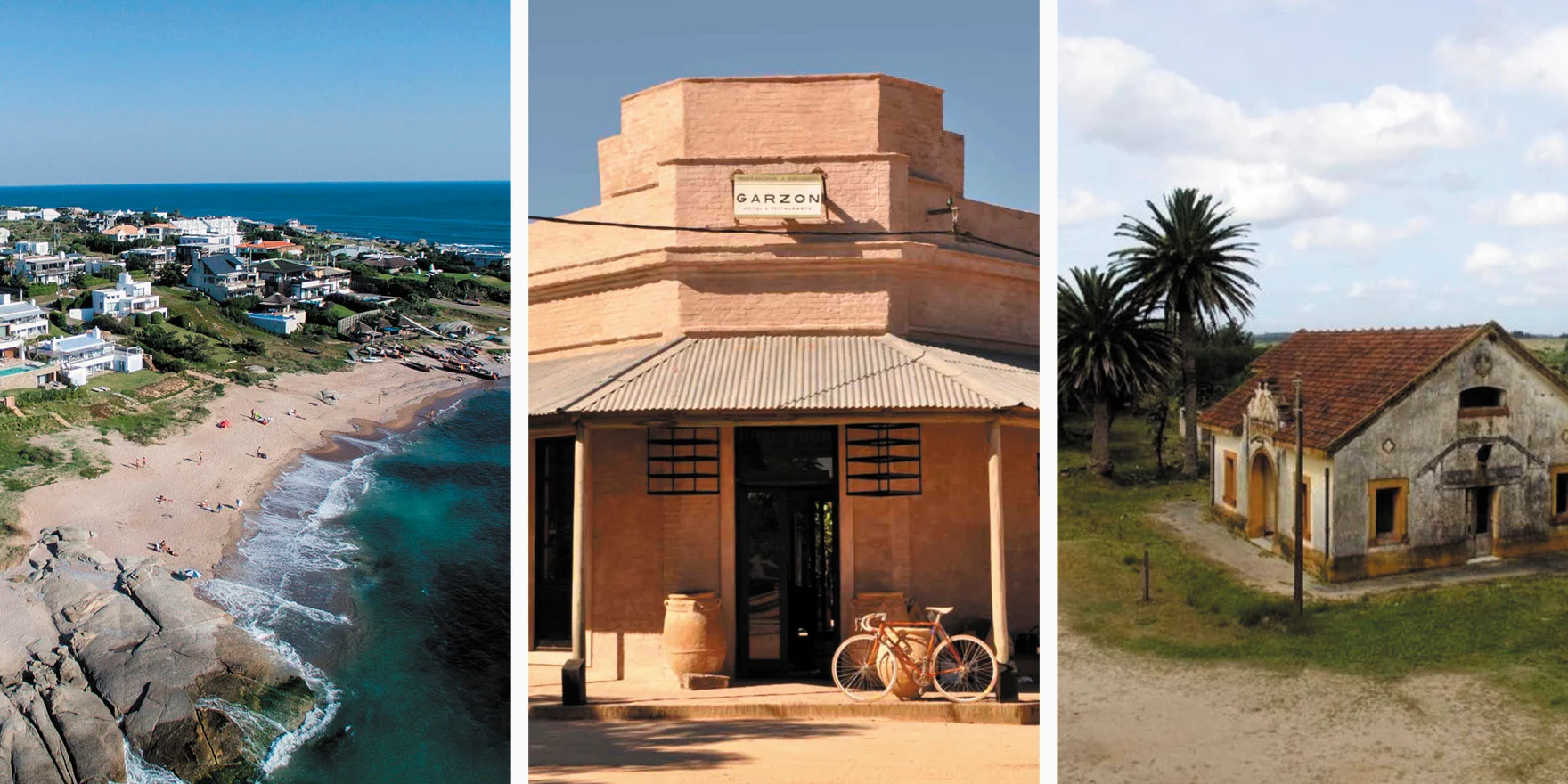
The map of the miniscule pueblo of Garzón, Uruguay, is all of five blocks wide. Set deep in gaucho country in the coastal province of Maldonado, the thistly 200-person hamlet is centered around one main square scattered with historic buildings, hitching posts, and the occasional roaming farm animal. Occupying a welcoming corner of that square is the hotel and restaurant Garzón, owned and largely designed by Argentina-born chef Francis Mallman.
While the surrounding hillside area of Las Sierras de Garzón has long been a haven for South Americans to own quiet countryside casas and getaways, the town of Garzón proper has only recently gained a reputation as a travel destination for about the past one to two decades. Before 1940, Garzón had a more robust population (near 2000) and a train station which helped sustain local laborers in granite and sugar trades among others. But when roads were built and the railroad shuttered in the 40s, the town did too. Today, with some investment by expats such as Malmann and Heidi Lender, who founded an art nonprofit called Campo that’s now recognized locally and abroad for its residencies with international artists—the town has become a common one- or two-night side trip from the beach towns of José Ignacio (40 minutes drive), the resort town of Punta del Este (1 hour), or the city of Montevideo. For many, Hotel Garzón is the driving inspiration for the journey to the tiny town.
Who
Mallman’s path to international acclaim actually began in José Ignacio, when his first two restaurants, Posada del Mar and Los Negros, helped turn a spotlight on the area which was once just a small fishing village. Unlike José Ignacio, which saw glamorous development accelerate from the 1990s through today, Garzón still largely remains sleepy and slow (most of the time), and the locals and visitors still like it that way. But Mallman’s hotel and restaurant bring a trickle of stylish explorers regularly, as does an art festival each December—Uruguay’s summer—organized by Lender at Campo. When the hotel and restaurant are open, there are fires burning and a small but international social scene (France, the US) to join while amongst the vast natural beauty. And when the festival is occurring, the little town blooms.
The Route
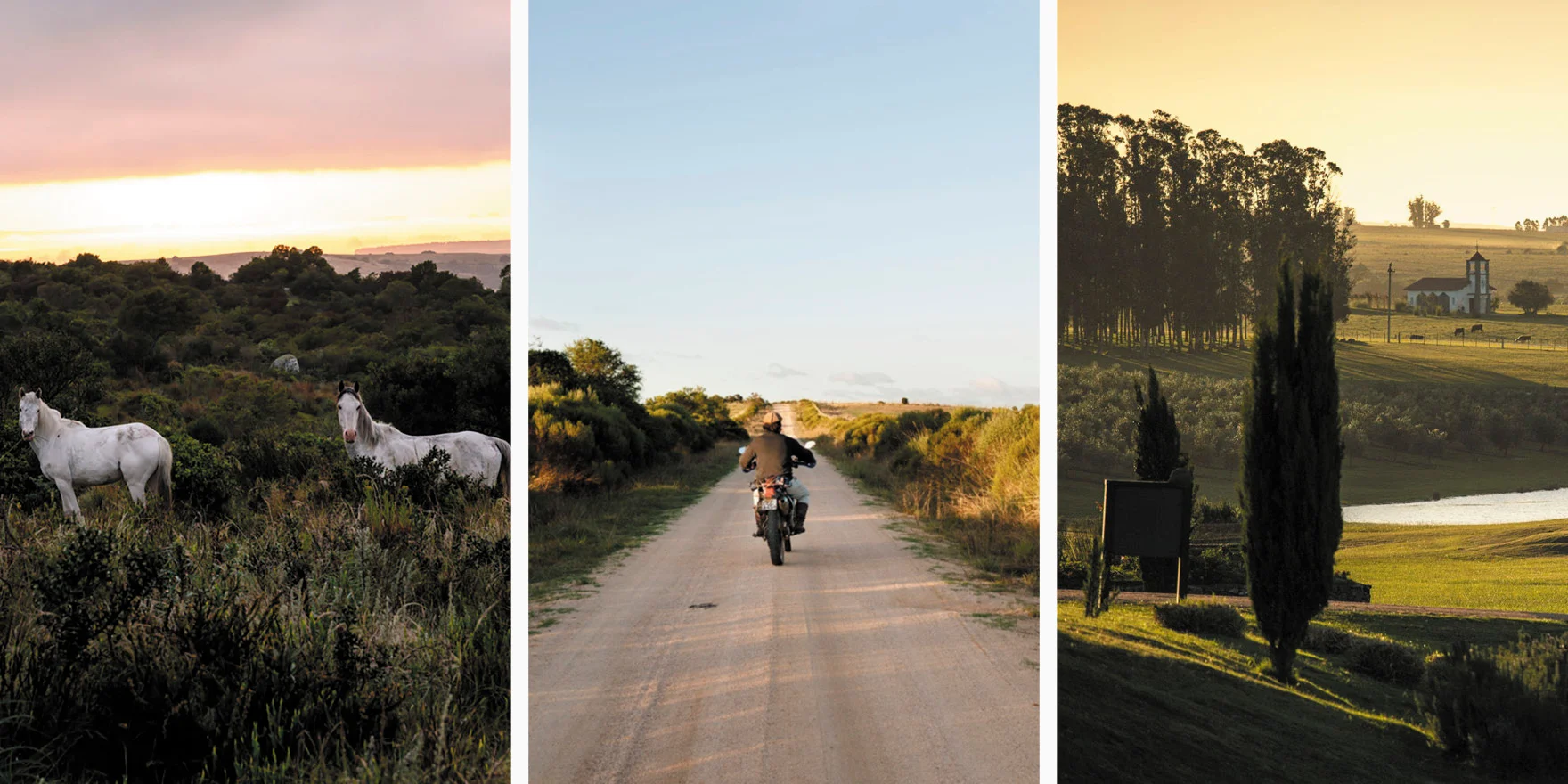
The roads are rustic on the way from the surrounding beach towns, but the highways are easy from the closest airports of Punta del Este and Montevideo. The drive is rolling green hills dotted with palm trees, and every once in a while a tiny farm. In general, the areas on the way are very sparsely populated—more likely to offer glimpses of wild horses, sheep, or cattle, than people. And the scenery evokes a combination of Las Pampas—the lowland plains that span the areas around Buenos Aires—and the lush palms, so geographically you can tell you’re between Argentina and Brazil.
The Design
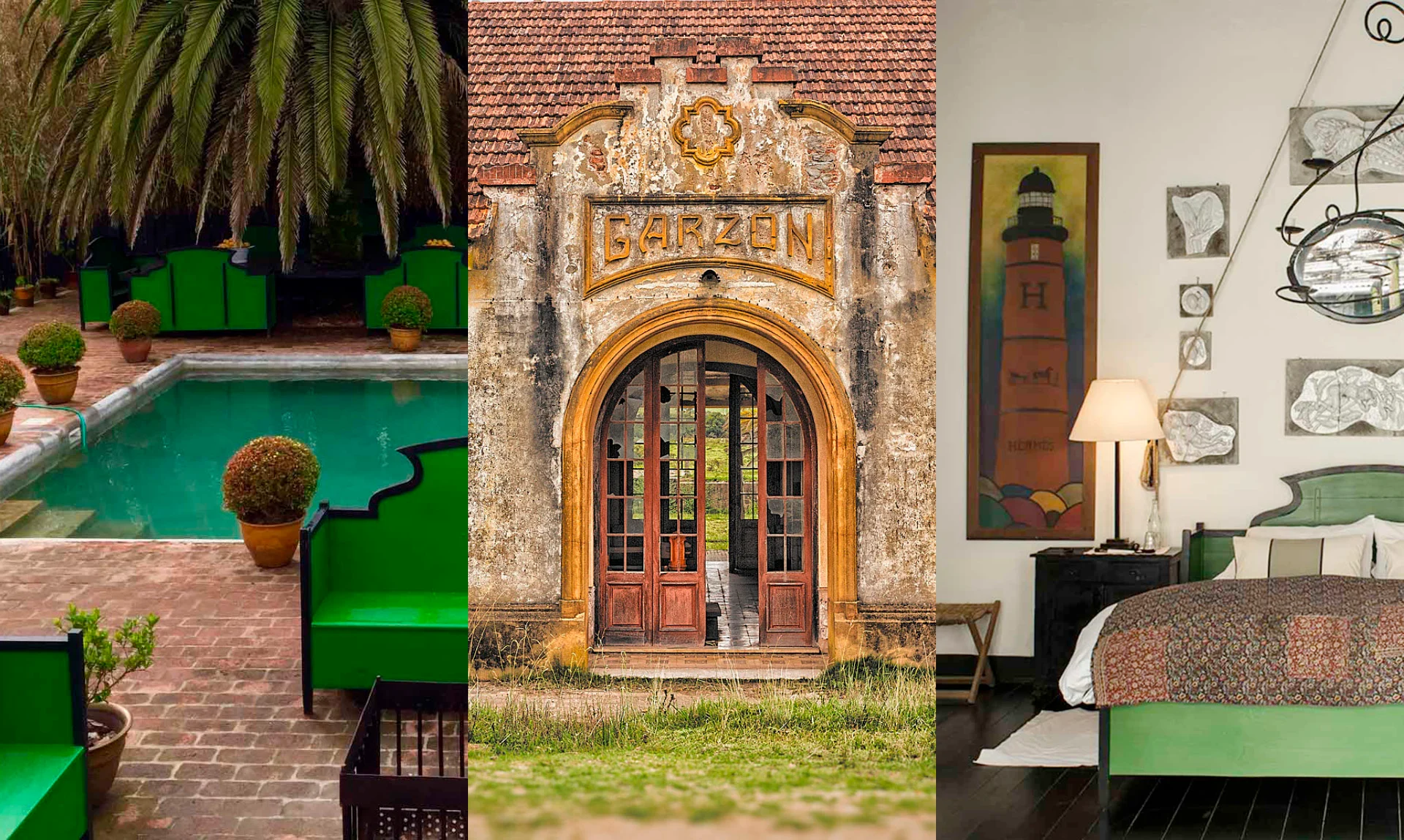
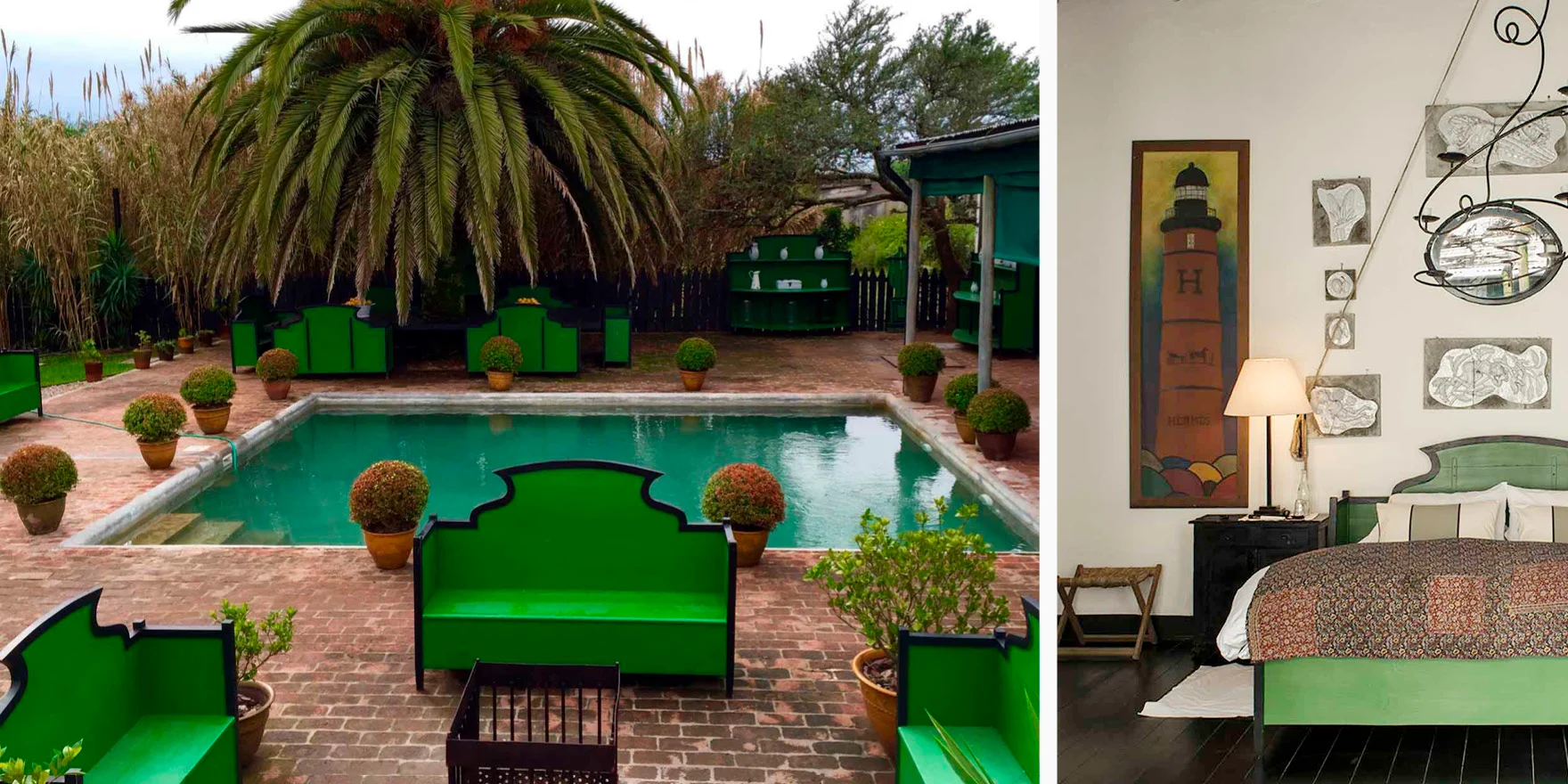
The hotel is located in an historic brick house that was once the general store of Garzón. There are five rooms total, and four of them open to an inner courtyard. Two have sitting areas, some have wood-burning fireplaces, and all have spacious bathrooms. There’s a small garden, a pool, bar, and the feeling of being in an oasis. One of the rooms (the most petite) opens out onto the street as opposed to the courtyard. The rooms and decor were largely designed by Mallman, from the candle-containing chandeliers to the elaborate green and black benches in the common areas, and details like gaucho belts used to tie back the curtains can be attributed to the chef’s tastes as well. The style is very original—sophisticated and unique, with a playful little whiff of Wes Anderson.
Food & Drink
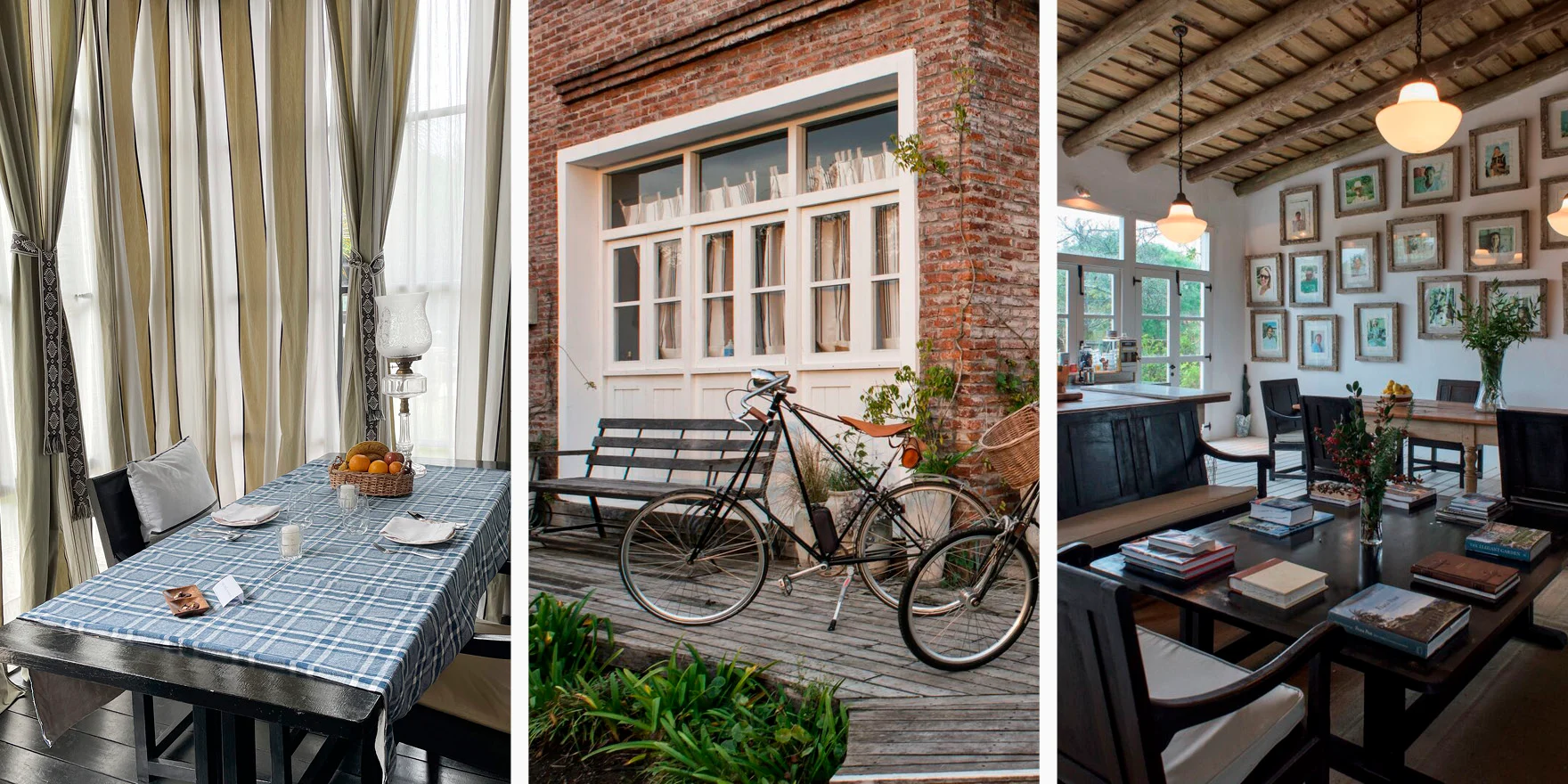
The restaurant and the hotel are one: When the weather is nice, tables will be set in the interior courtyard (where four of the five rooms are facing) in addition to the seating indoors. Like everything else around you, the staff is relatively minimal at the hotel, but the restaurant is an anchoring presence: Guests will often go to the restaurant first, where there is usually someone tending the fire in the stoves, grills, or oven, when in need of anything. The kitchen prepares a mostly international mix of items for breakfast—like scrambled eggs, pastries, coffee, and orange juice—and can deliver it to your room. But the lunch and dinner at the restaurant are Uruguayan leaning. Atlantic seafood is heavily featured, a focus of the menu, including dishes like griddled octopus with potatoes and simple whole-grilled catch of the day, but of course, red meat (lamb, rib-eyes) with chimichurri or crispy milanese (in this case eggplant) are as well.
The Surroundings
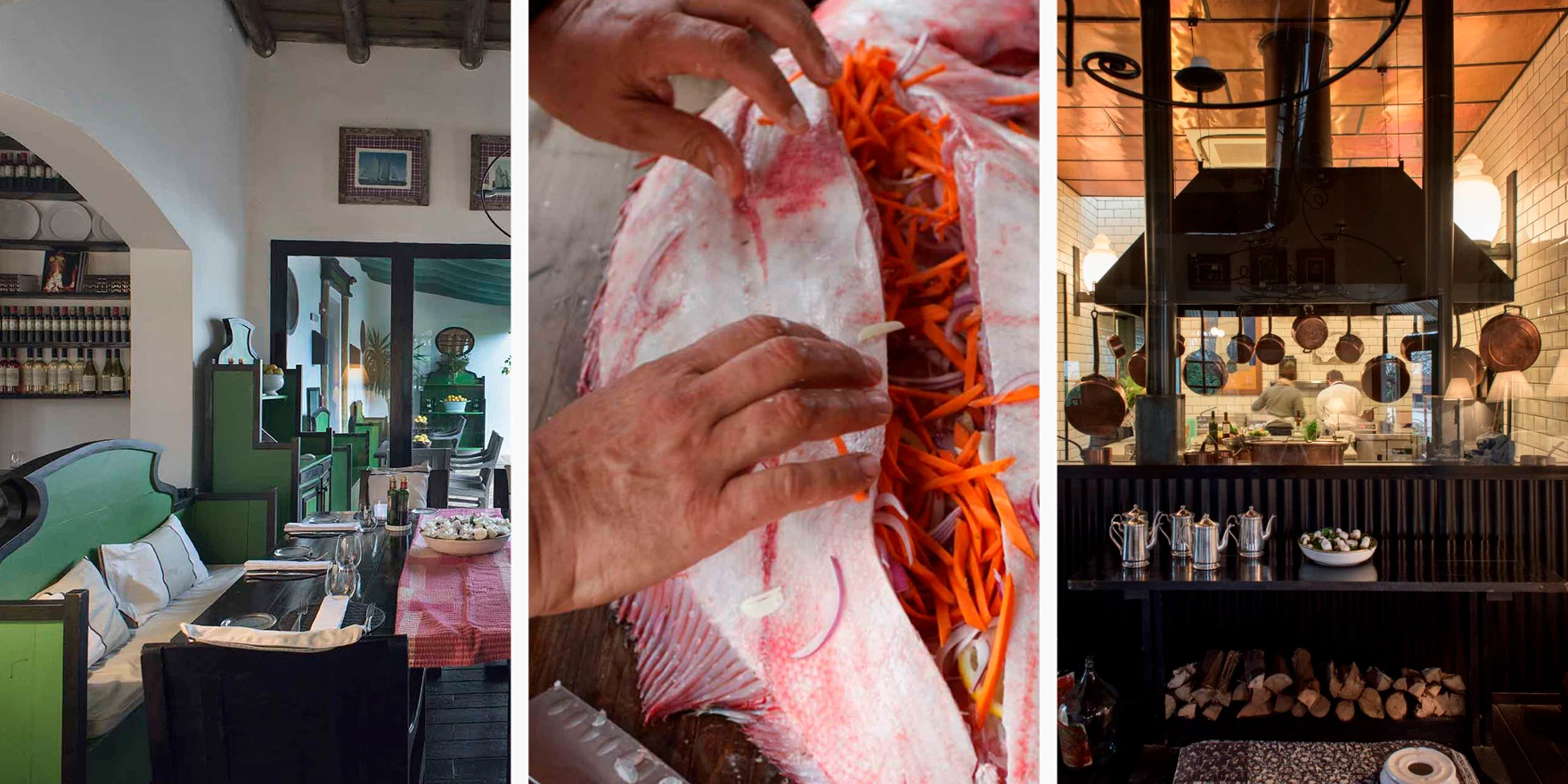
Around Garzón’s central square, a building may be being slowly restored, visitors may be biking leisurely through leaving a trail of dust in the sun, or travelers may be wandering among the small galleries. A central sight is usually the flickering light of the fires burning from Restaurante Garzón, and beyond this symmetrical block, there are a few houses, then wide swaths of flora and fauna, from palm trees to Brazilian peppertrees, and forests of crown of thorns. Sculptor Pablo Atchugarry planted over 15,000 native trees in what today is the Garzón Sculpture Park, not a far drive from the hotel.
A Day Beyond the Hotel
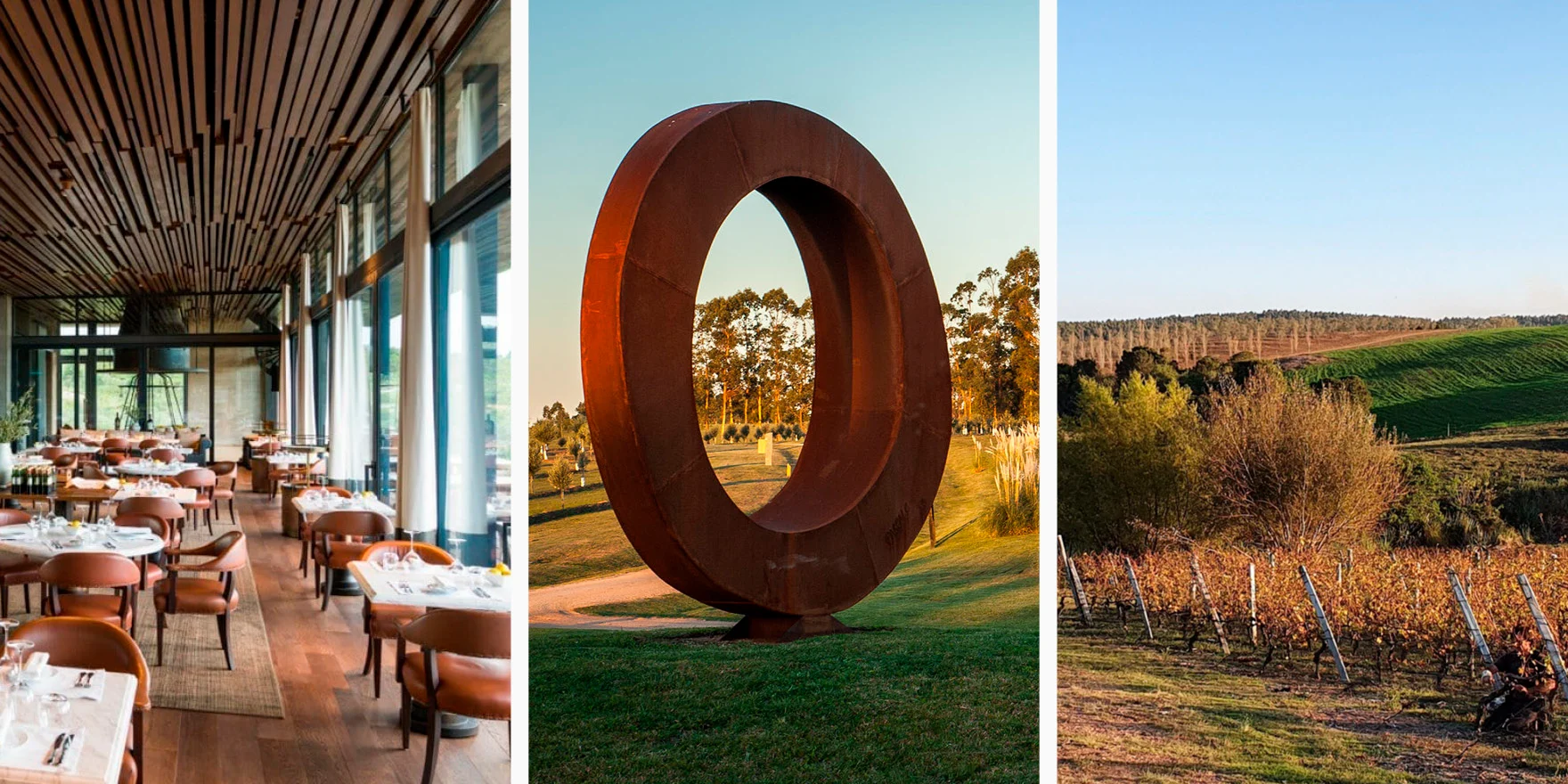
Once you’ve seen the town and its galleries, venturing out typically involves the wineries next. There are three worth trying, all very different from one another. Bodega Garzón, currently the largest wine producer in Uruguay and one of the only bringing Uruguayan wine beyond the country’s borders, is the largest and most modern. Their production focuses on two main grapes, the big ones in Uruguay: tannat and albariño. (Mallmann also has another restaurant here.) The next, Bodega Oceanico, has a more boutique style and size, as well as art sculptures from Uruguayan artists and a specialty in Atlantic ocean wines. They are ten kilometers away from the coast (Bodega Garzón is 20), and the microclimate has a significant effect. The third, Bodega Sierra Oriental, is farther inland and was one of the first in the region. This is very local, nothing elaborate, like going to someone’s farm, walking around with the owner, and feeling like you’re back in time. The tiny little windy road to get there is part of the adventure. Beyond the wineries, go to the nearby beaches of La Rocha or to José Ignacio to enjoy the sleek restaurants and beach clubs for the day. There, a high-design venue called Las Musas has yoga studios, cultural and music events, and walking trails.

Keep in Mind
December through February are the high season here, where—especially inland in this southern patch of Uruguay—it gets hot in the summer and can be dusty and arid. If you prefer more company than less, the final few days of the year during the art festival (and the weeks just before and after) are peak visiting times.