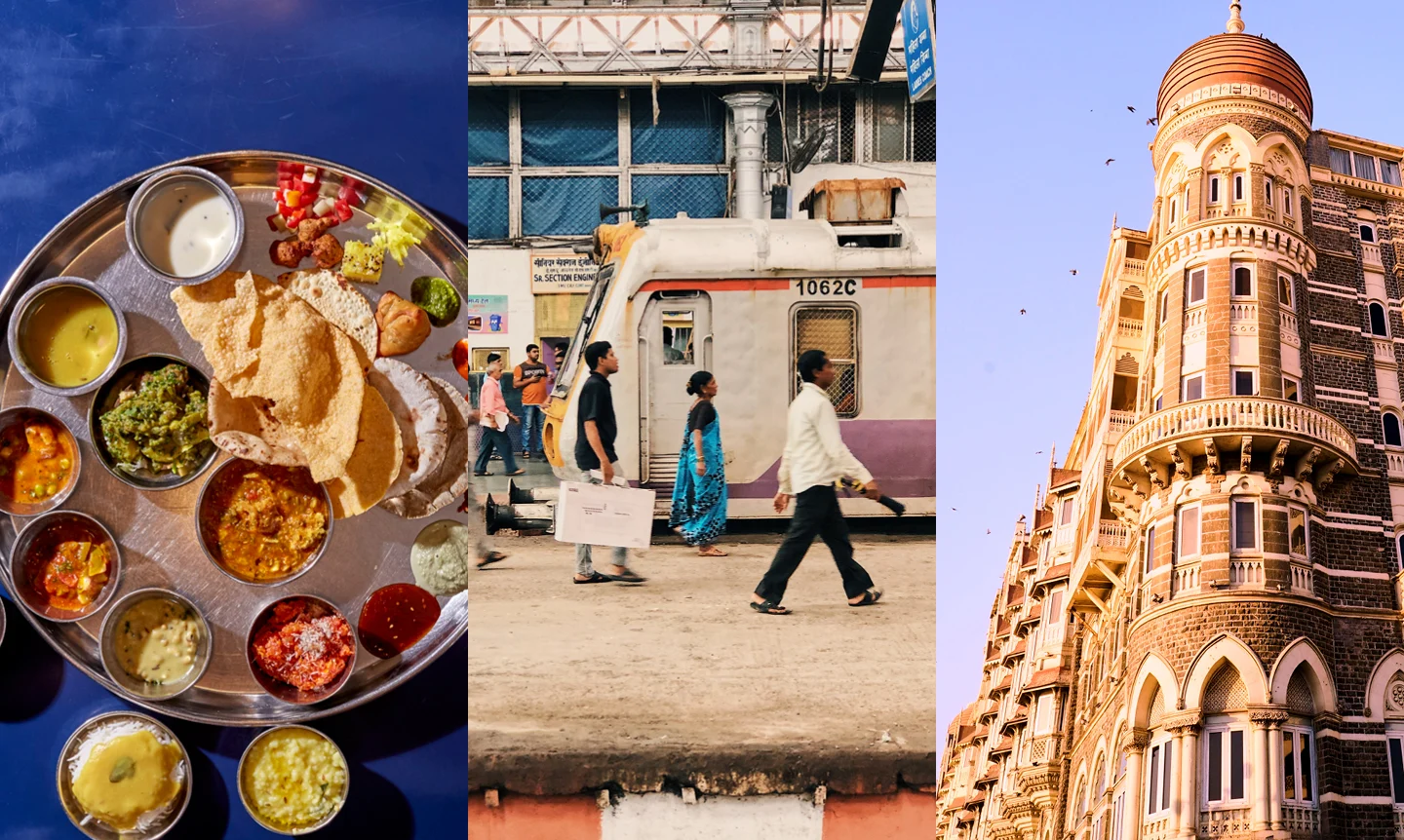
Crowds and chaos define Mumbai in the popular imagination, but walking through its lanes, it’s clear that this is a city with striving ambition—be it in finance or fashion, food or film. Considering the magnitude of today’s Mumbai, it can be hard to believe that the city was once a fishing village. The impact of colonial rule—from over a century under the Portuguese to nearly three under the British— is seen in the buildings left behind, the way the country’s run, and even in the food.
In the latter half of the 20th century, the newly independent city saw a new cultural awakening, with artists and progressives invigorated by the optimism of a new country. But today, that sense of possibility has, in some ways, been superseded by the drive of commerce, with glass towers in place of cotton mills defining the skyline. And while it can feel overwhelming to an outsider, the megapolis of Mumbai is made up of microcosmic neighborhoods. It’s in these small pockets that independent creatives are working hard to find their place in the magical mix. For off-beat boutiques and airy yoga studios, walk through the warren of streets in Bandra. Colaba is the destination for imposing British-era Bombay Gothic architecture. While in Byculla, industrial spaces are giving way to experimental kitchens and coffee roasteries. Here, a guide to the ever-evolving Mumbai.
To Do/Sites
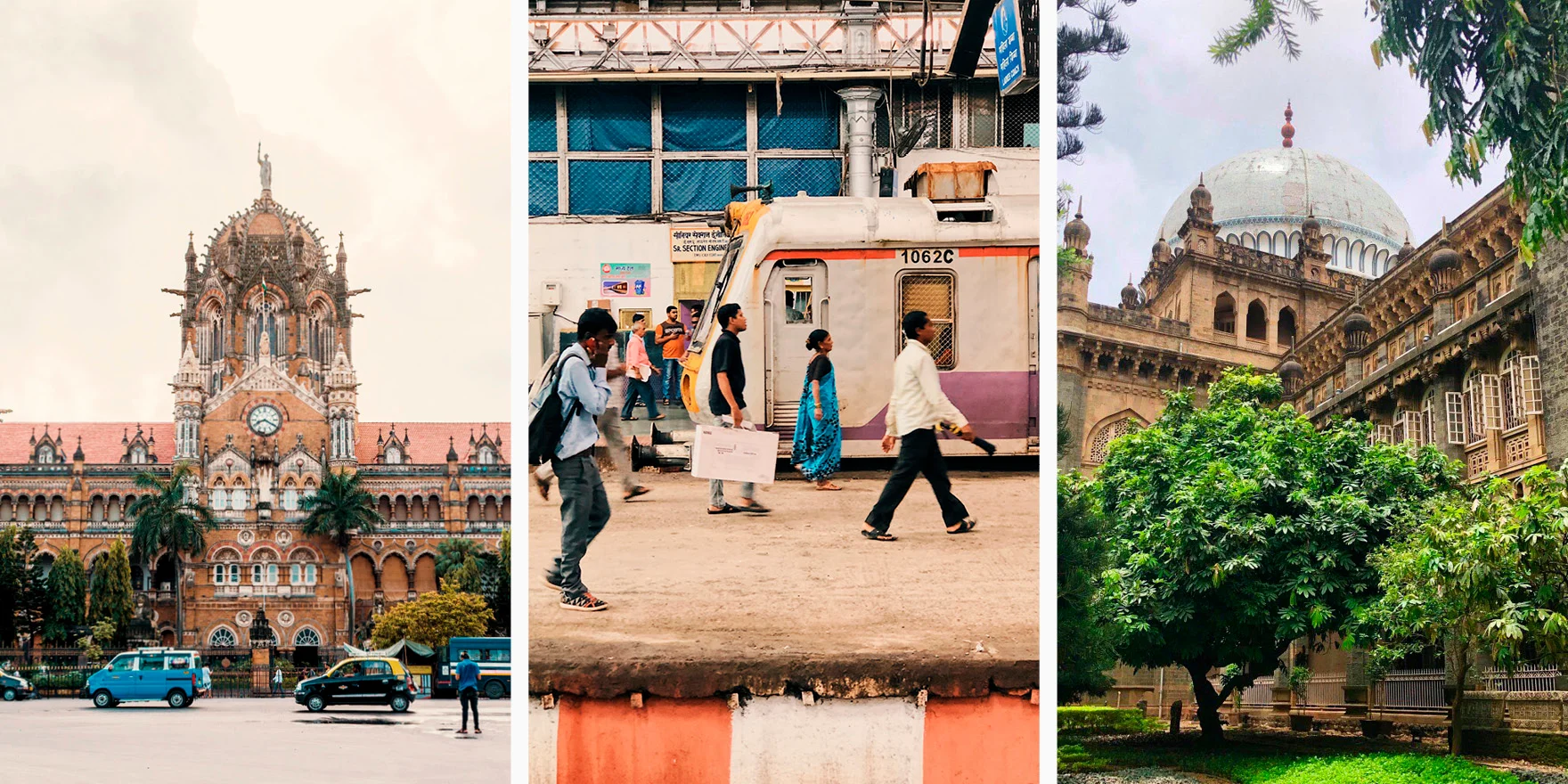
Chhatrapati Shivaji Maharaj Terminus
The radiating heart of the Indian train system, this imposing Gothic-style terminal is a world heritage site and also includes a railway museum. Before Covid, CST, as the station is known, had more than 3.8 million people pass through it on a daily basis. That number has fallen as work-from-home has taken effect, but the station itself is worth exploring, for its architectural detail, the never-ceasing crowds and to witness the army of dabbawallas (literally “tiffin carriers”) that have inspired business school case studies. Stop by between 11am and 1pm to see the dabbawallas in action, on their way to disburse stacks of freshly-packed tiffins to office workers. With the pandemic, their ranks have been thinned, but you’ll still find some in their angular Gandhi topis and all-white outfits.
022-2262 1450
Chhatrapati Shivaji Maharaj Vastu Sangrahalaya
The collection at this national museum spans ancient India to present day. Of particular note is the Jehangir Nicholson gallery, a great introduction to the Bombay Progressive movement, but the museum has incredible depth, with galleries devoted to Indian sculptures, textiles and even money.
159-161 Mahatma Gandhi Road, Fort
Dhobi Ghat
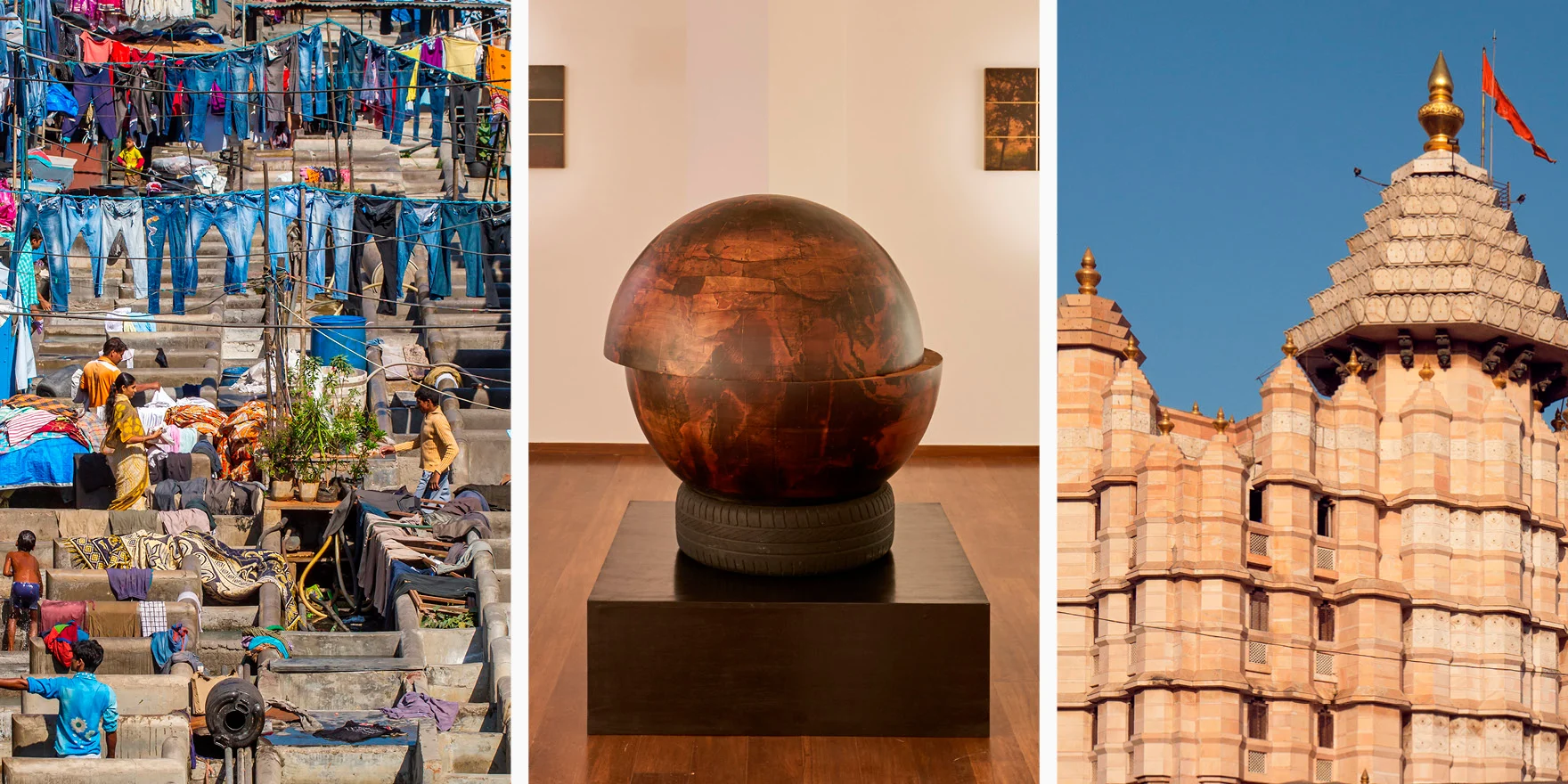
Largely considered the world’s biggest outdoor laundry, Mahalaxmi’s Dhobi Ghat is a sight to behold. In the heart of the city amidst a labyrinth of concrete wash tanks, dhobis (laundry workers) scrub, dye, dry and iron clothes and linens from city hotels, hospitals and neighborhood laundries. Best visited in the late afternoon, when crisp sheets are being hung to dry.
Shanti Nagar, Lower Parel
Tarq
In less than a decade, Tarq has become an important gallery showcasing young, South Asian artists across disciplines. Ring the doorbell to enter this discreet bi-level space in Dhanraj Mahal. Once inside, the courteous staff is happy to educate about the show on display. Founded by Hena Kapadia, the gallery is a regular on the international art circuit, showcasing artists at Art Basel Hong Kong and India Art Fair. While artist Rithika Merchant is probably the most well-known thanks to her collaboration with fashion brand Chloé; others including Vishwa Shroff, Muzzamil Ruheel, Pratap Morey and Ronny Sen are just some of the artists on the roster.
F35/F36 Dhanraj Mahal, CSM Marg, Apollo Bunder, Colaba
Siddhivinayak Temple
Perhaps the most famous site of worship in the city, it is said that if you make a wish at the Siddhivinayak Temple, it will come true. As a result, devotees throng the temple daily, though Tuesday is the most auspicious day to visit and pray to Lord Ganesha. Be warned, there’s usually a long wait to enter and worship, so be prepared to queue. On the way out, make sure to get prasad, the religious offering distributed to all who come and pray.
SK Bole Marg, Prabhadevi
Shopping
CIE
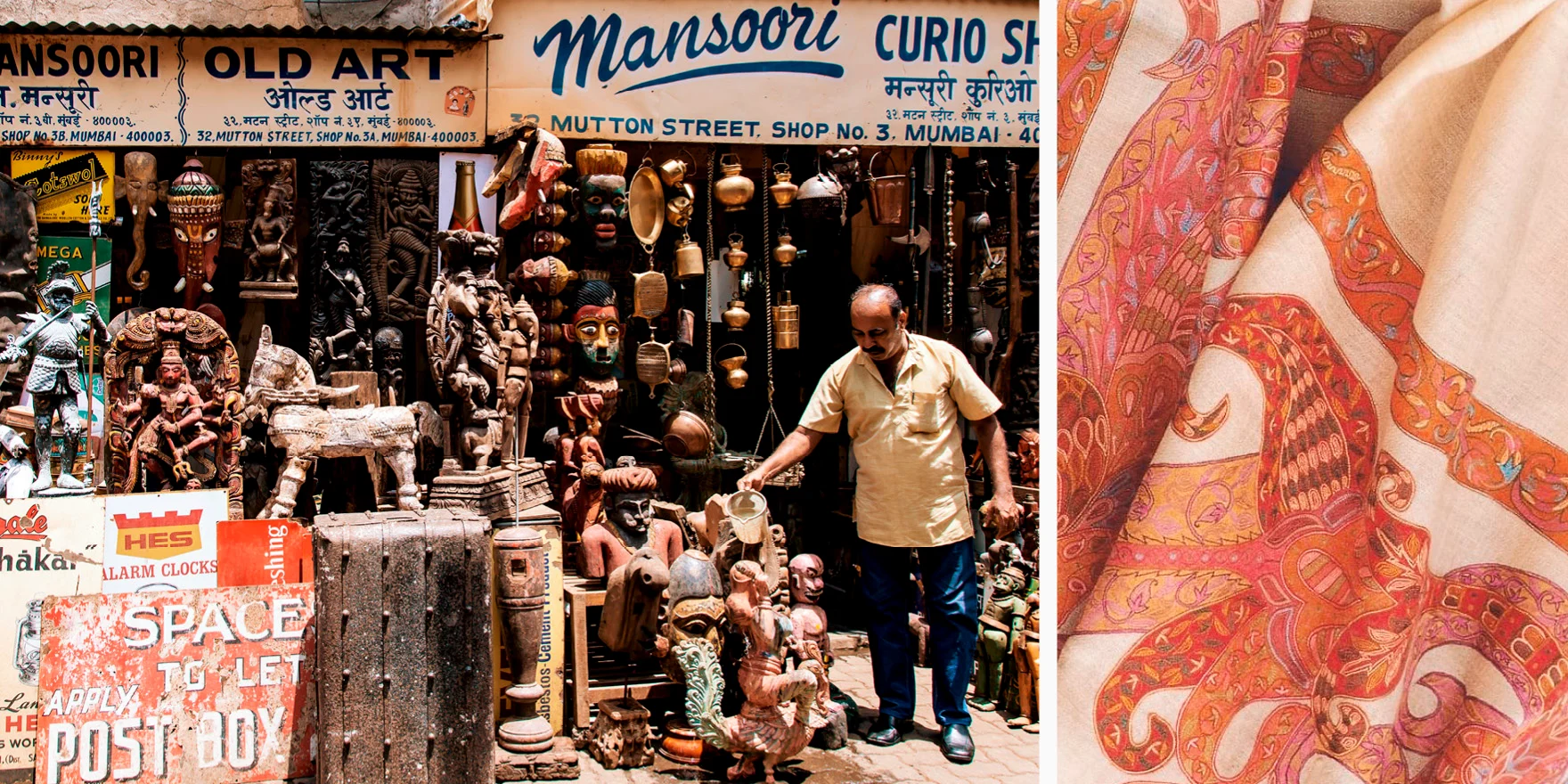
A symbol of the country’s artisanal prowess, the Cottage Industries Emporium was started in 1978 as a means of selling silk carpets, both in India and abroad. But it soon expanded its scope to include all kinds of handmade products from the country, and over the years, CIE has established stores throughout the country and the world. In Mumbai, the emporium is unmissable–the exterior is painted a vibrant sunflower yellow and inside, it is just as dizzying and colorful, with printed fabrics, soft shawls, intricate metal works, inlaid soapstone and carved wooden boxes.
North and South Block, Transport House, Colaba Causeway