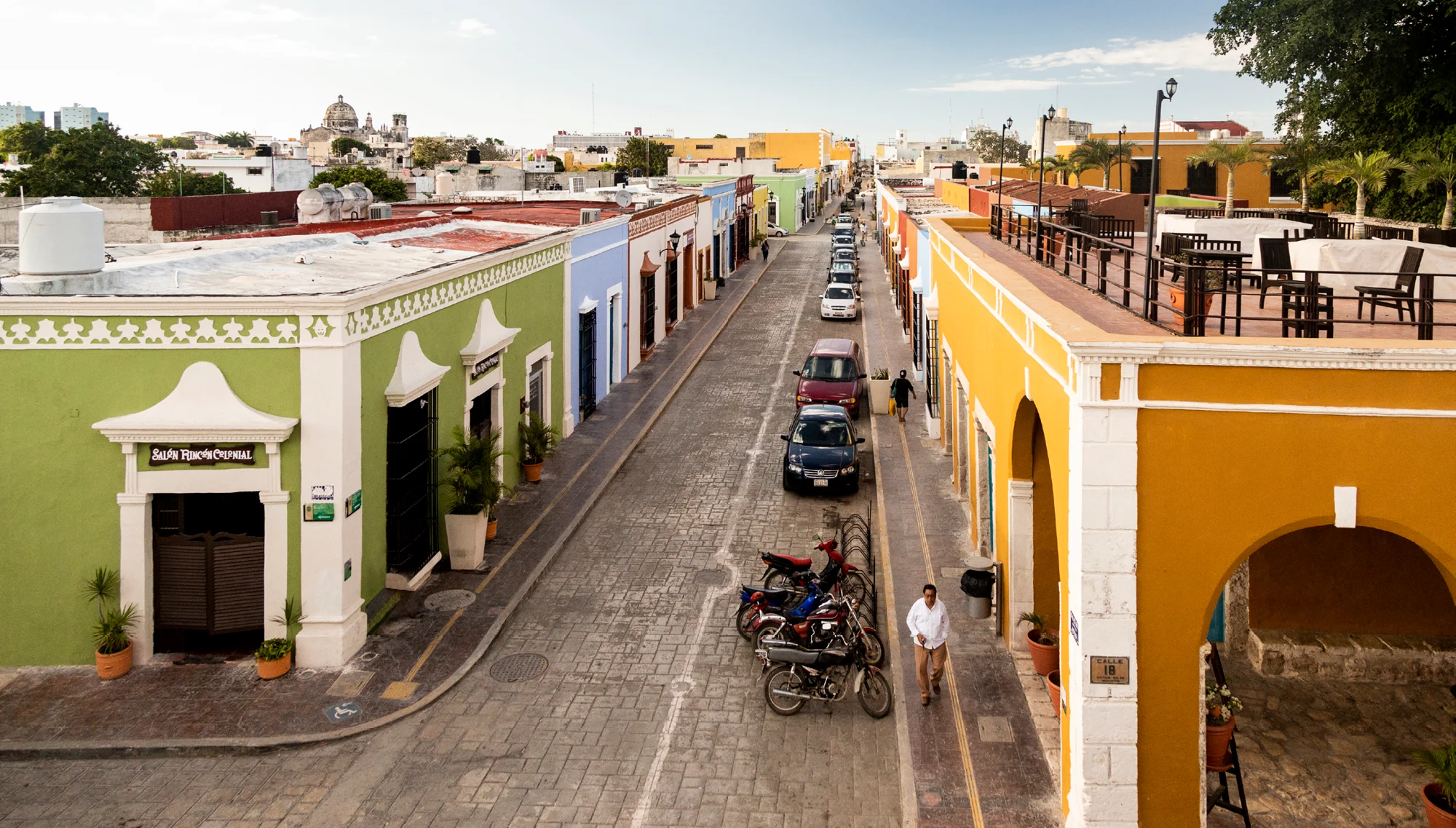
There’s an expression here in Mexico: if you say something is campechano—which refers to the people who are from Campeche—it means “laid back.” I fell in love with that energy when I first visited the region around seven years ago, and it’s the reason I keep returning.
Campeche is a state with a coastal city of the same name that sits to the southwest of the Yucatan. Unlike the state of Yucatan, it doesn’t attract many tourists—it’s kind of hidden in plain sight. A lot of people tend to follow the same path to Merida, two-and-a-half hours away by car. Merida is a wonderful, contemporary and cosmopolitan city with an art scene and boutique hotels and international restaurants, while Campeche is a bit like the faraway cousin that many people don’t think to include in their travels to the region. There’s not an abundance of what one might consider “chic” places—in a way, that’s what’s nice about it. Time feels different there: I go for the solitude of exploring the cenotes, which are surrounded by jungle, or the Mayan ruins that tourist buses haven’t yet discovered, or getting lost in the city streets with their striking colonial buildings painted an intense mix of colors.
See & Do
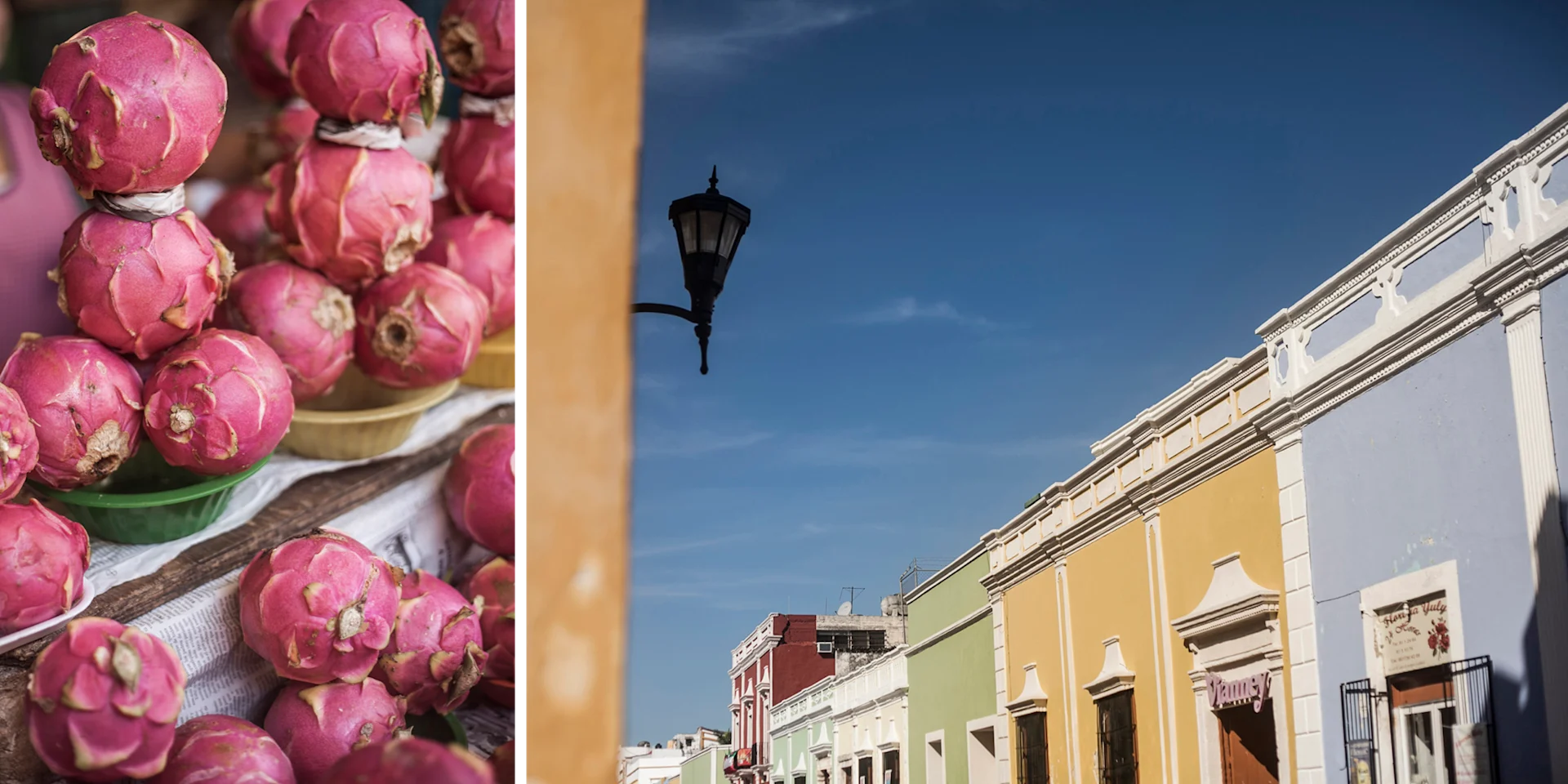
City stroll
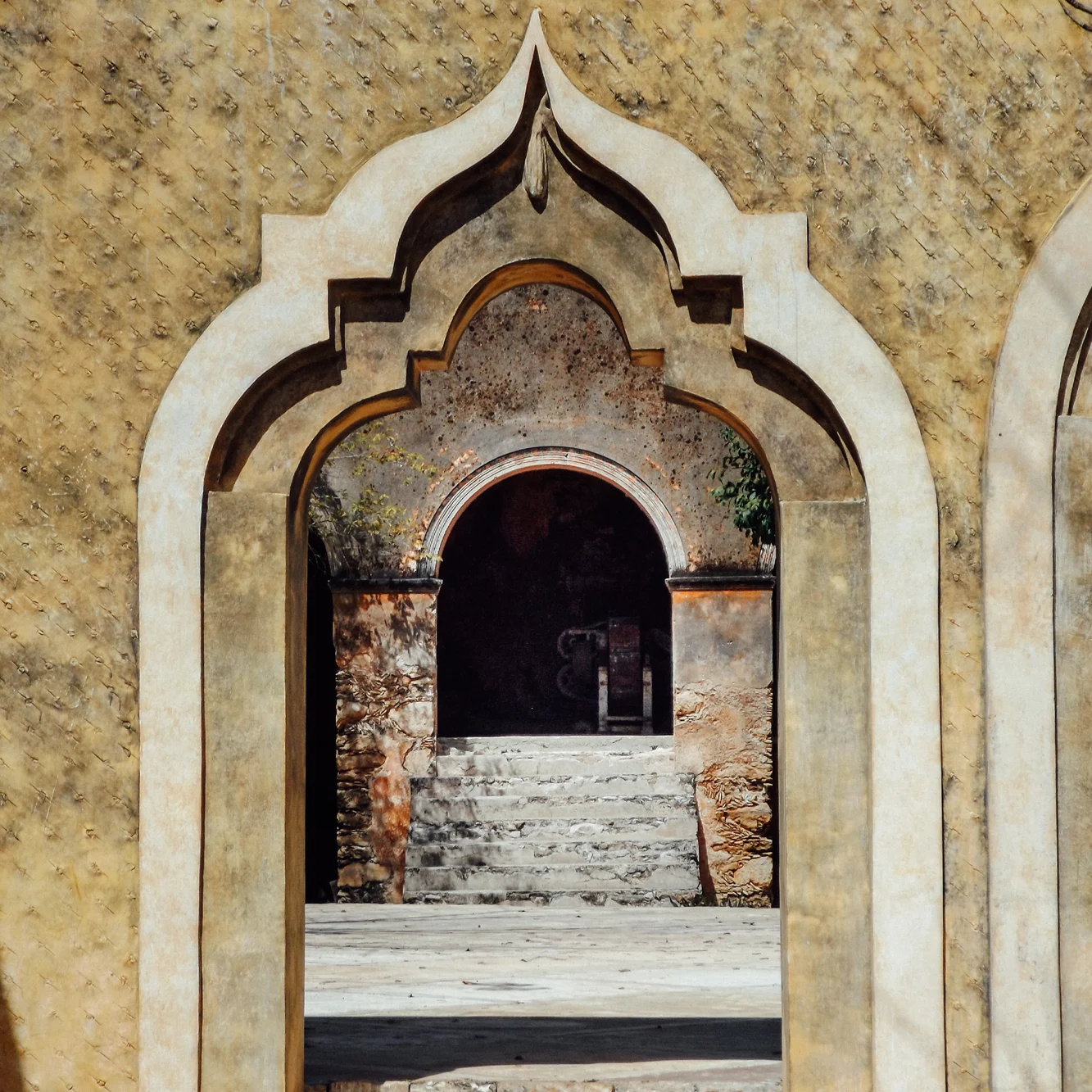
Because Campeche is such a warm city, you get the feeling that you can walk for hours, experiencing its people and places as seagulls fly gently above you, and you have nowhere much to be. There are tiny plazas and colorful colonial facades everywhere. You never know when you’ll turn a corner and find a beautiful old colonial church that is painted in a bright ochre. The walled city has a history of pirates attacking the port, so if you go to the fortified walls you might see some kitschy mannequins of pirates. There’s the main plaza, which has a great white Baroque cathedral that dates to the 16th century. On a Sunday, as happens in main plazas throughout Mexico, there’s more activity in the square. There are people selling their wares, sweets and flowers, or just eating fruit sorbet and letting the afternoon go by.
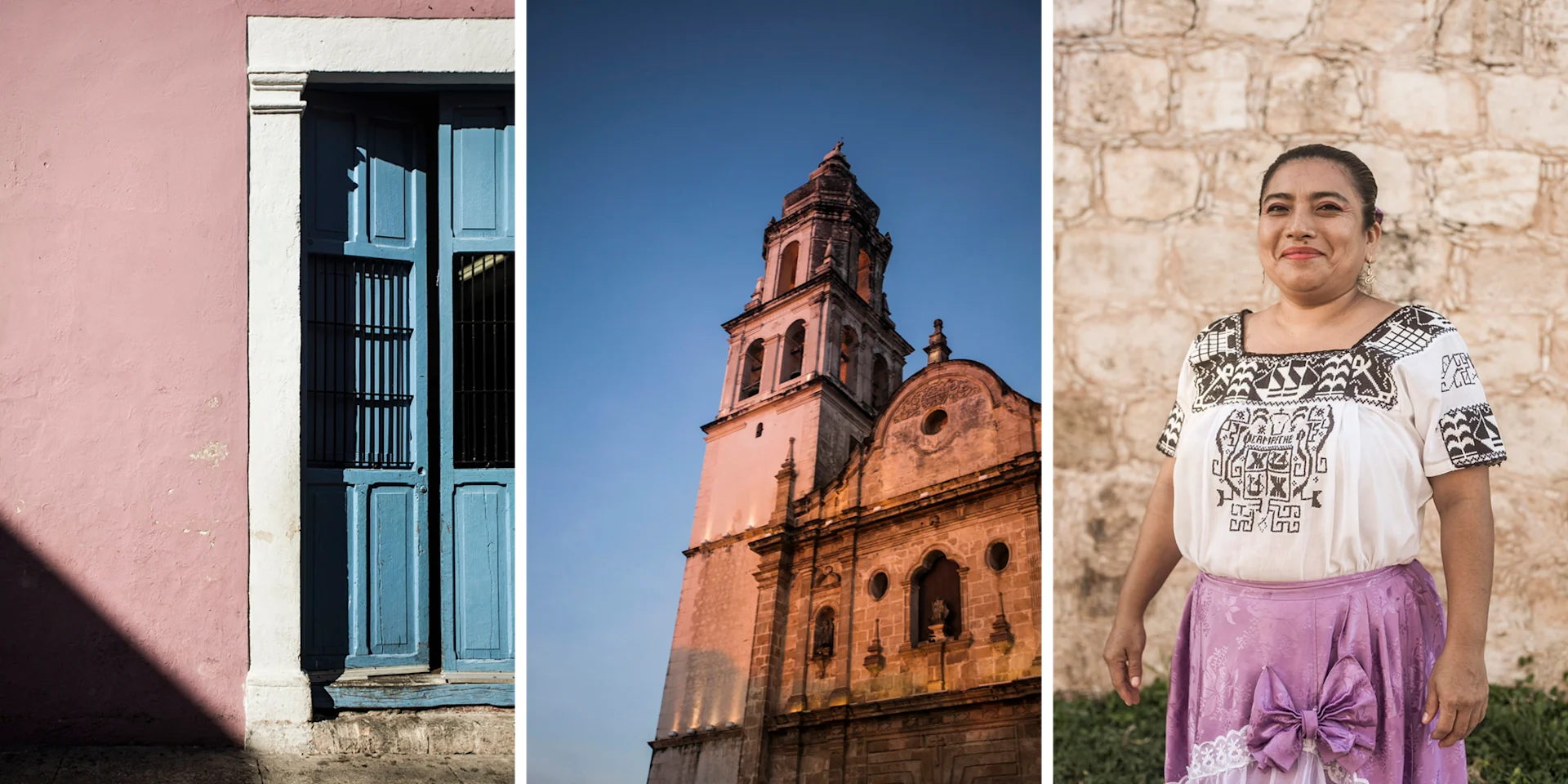
Mercado Pedro Sainz de Baranda
Markets in Mexico have a great liveliness to them, and all have their own regional mix of aromas and flavors, people milling about and conversations being had. Unlike the market in Oaxaca, which is so full of tourists that they’ve raised the prices, Campeche’s market is beautiful, more relaxed and super cheap. The people are friendly: the girl that’s serving you will always smile and joke around with you, and you know that the women at the different stands who are preparing the cochinita de pibil or the pan de cazon have all learned those recipes from their mothers, and that their mothers learned from their mothers as well, so there is a deep connection to the food and to the earth. I ate these delicious sweets called dulce de tamarindo, which is a tangy candy made from tamarind pulp that is sold in colorful paper cones, and is just exquisite. There’s another special sweet not to miss, called manjar blanco, and it’s the peninsula’s tropical answer to the French blancmange, only this one is made with coconut and sprinkled with powdered cinnamon.
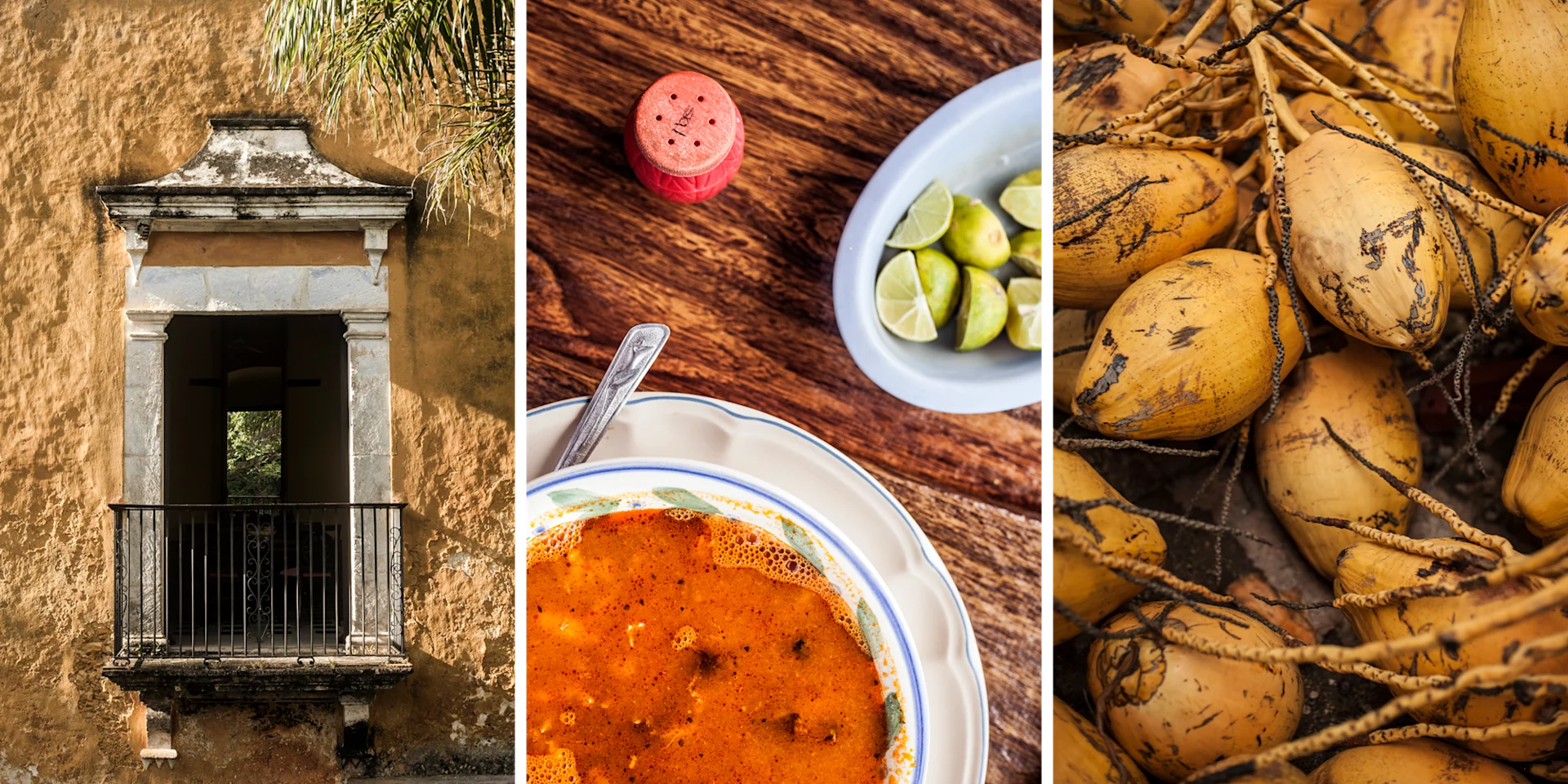
Ría Celestún Biosphere Reserve
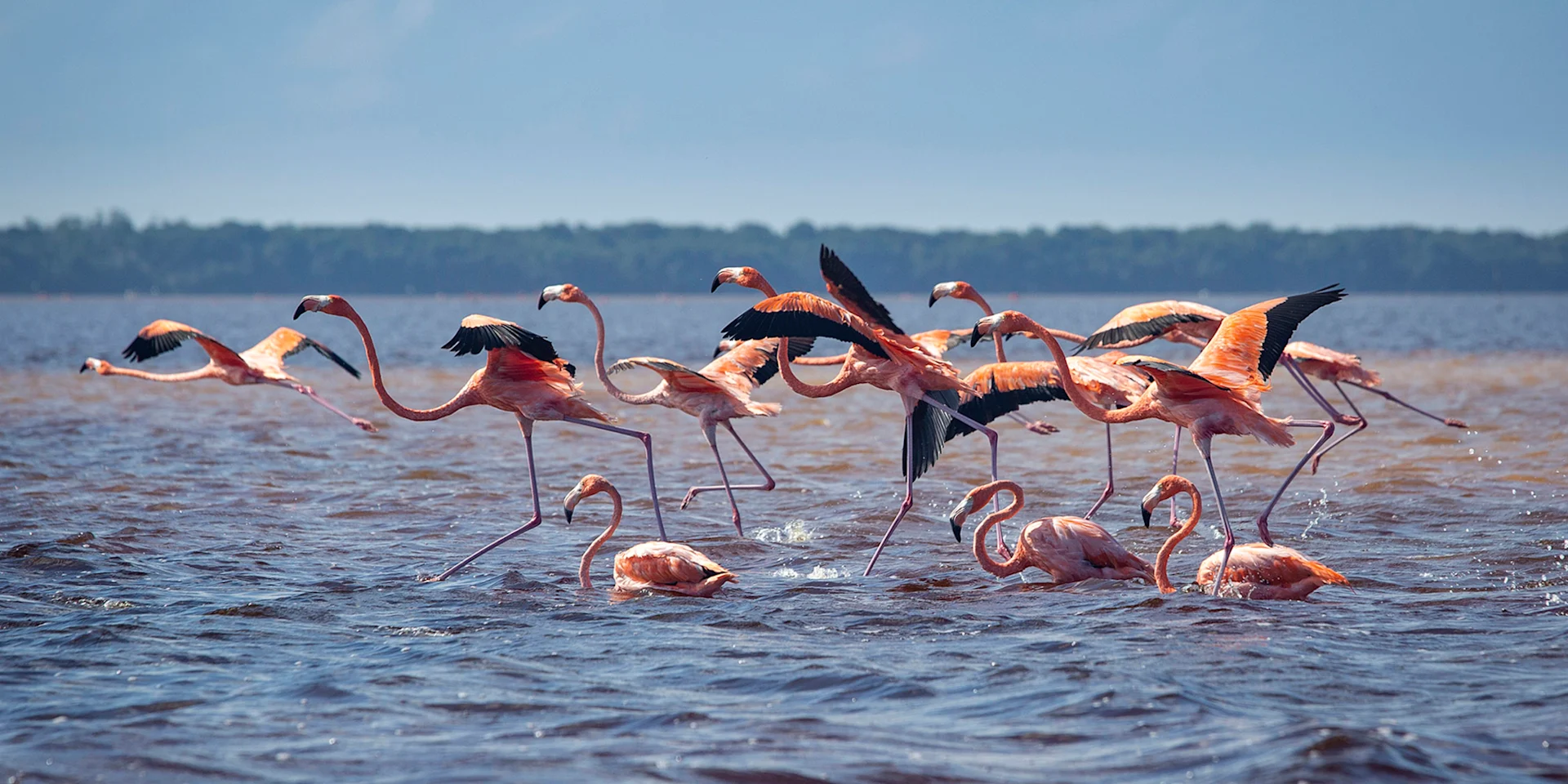
This mangrove-filled estuary is set in a biosphere reserve on the border of the states of Yucatan and Campeche, about two-and-a-half hours north by car from Campeche city. The name of the town is Celestun, and the main attraction there is the flamingos. Thousands and thousands of pink flamingos congregate to feed on the available krill, which is what gives them their characteristic color. It’s quite a spectacle! The clear turquoise shallow waters of the estuary shimmer under the sun, with marshes and mangroves in the backdrop. It can get a bit touristy sometimes, but it’s one of these places where you’re on the open water so you’re not really bothered by them.
Cenote Miguel Colorado
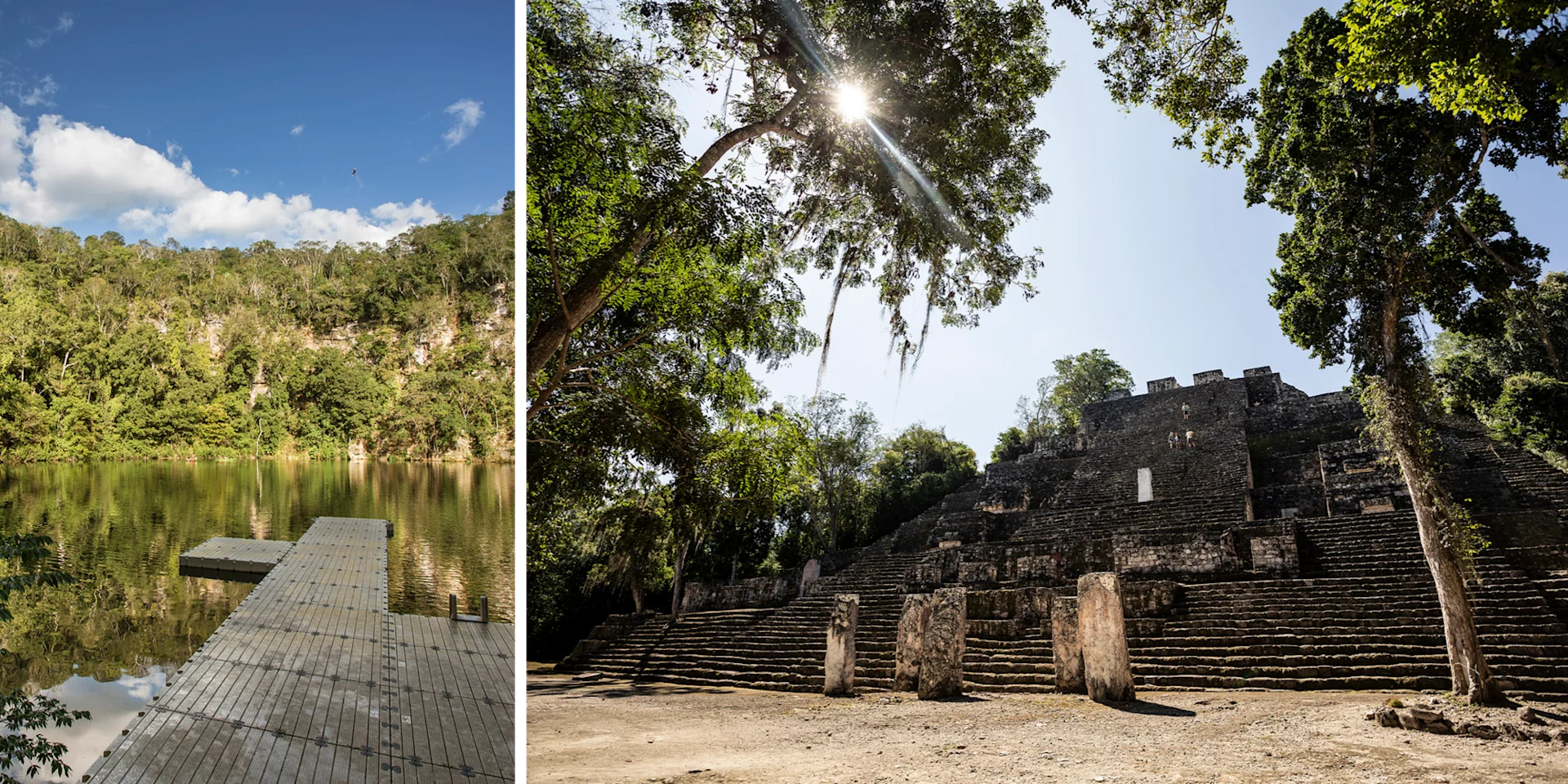
This place is about two or three hours away by car from Campeche city. It’s an ejido, a type of communal land, and they’ve had a grassroots ecotourism project for many years that directly benefits the community. The place itself is lovely because you can kayak there—you can’t find many cenotes in Mexico that allow that. The cenote is quite big, perfectly circular and surrounded by jungle, and there aren’t many tourists at all. You paddle on the water to the middle of the cenote and just lie on your back looking at the sky, while listening to the sweltering jungle around you.
Calakmul
What happens with big famous sites in Mexico is quite sad: there’s so much money to be made there that the government tends to turn them into Disneyland. Chichen Itza in the state of Yucatan, even though it’s a beautiful and powerful place to witness, is swarming with tourists. But there are so many ruins in the peninsula that get left out. Calakmul, which is off the beaten tourist path and nestled in the jungle, is both striking and imposing—one of the pyramids is a little over 100 feet high, yet you probably won’t find a lot of people there. You can also hear howler monkeys as you walk through the jungle past the many carved stone stelae on the site.
Eat & Drink
El Faro del Morro
An easygoing place right by the water, you can sit here under a palapa and sip a refreshing horchata while they prepare the pan de cazón, which is probably the most famous dish from Campeche. It’s made of fried tortillas and layered with beans and a type of shark that’s called cazón, or dogfish. It might sound weird and heavy, but it’s delicious. The dish is topped with a light tomato sauce and some habanero, and pairs beautifully with a cold beer—it’s the kind of setting and meal that Campeche locals love.