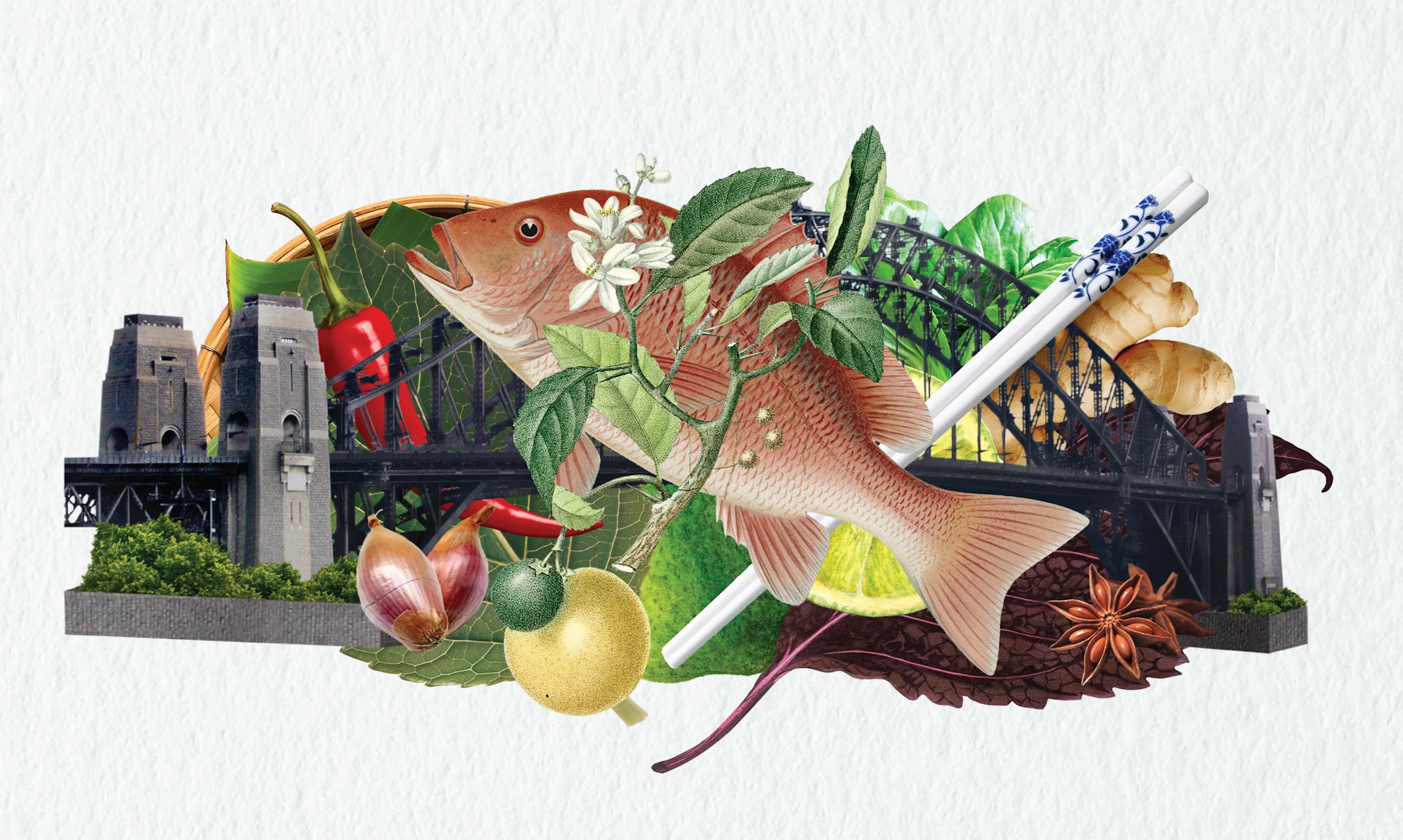
A stroll through Sydney’s Chinatown — the world’s largest — reveals much about Sydney’s tastebuds. The hotpot joints, Sichuan-spiked eateries, and hole-in-the-wall noodle shops seem limitless, and reflect a culinary story, which follows British settlement in 1788, to the first waves of Asian migration during the gold rush in the 1800s.
Now, extending far beyond Chinatown, Sydney’s appetite is reflected in long queues for banh mi in Marrickville, thick hand-pulled Xinjiang-style noodles in Burwood, and plates of glossy Cantonese meats in Parramatta. Loud and bustling seafood restaurants like Golden Century, which served pipis (Australian native clams) swimming in luscious Hong Kong-style XO sauce on vermicelli, are as iconic as a flat white in their own way. In 1989, game-changing Thai restaurants Long Chim (founded by David Thompson) and Chat Thai (founded by Amy Chanta) honored Thailand’s broad and varied cuisine, deploying local ingredients with integrity. Nowadays, Chat Thai’s organic menu, steered by her daughter Palisa Anderson, is plucked from the family’s 45-acre Boon Luck Farm in northern NSW.

Since the early 90s, Sydney’s top restaurants reveled in a cooking style that weaved Asian flavors (Thai, Japanese, Vietnamese, Korean and all different types of Chinese) with European cooking techniques and the finest local produce. More than just experiments in fusion dining, this forged a national culinary identity. Formidable chef Neil Perry caught Sydney’s attention with a quick-fried King George whiting served with Thai-style ginger, coriander, and lime juice. In 2002, fine dining seafood restaurant, Pier, served a whole John Dory pot-roasted with chili, ginger, and shallots — winning that year’s “best seafood” award. Even Bill Granger’s seminal avocado-on-toast, which brought Australian café culture to the world in 1993, was turbocharged with lime, chili, and coriander.

Today, Sydney’s dining scene continues the cross-pollination. At Asian restaurant King Clarence there are playful Filet-O-Fish baos and a banh mi pâté en croute. Mr. Wong, a buzzy modern Cantonese restaurant, dishes up crispy wagyu buns with foie gras. Meanwhile, Neil Perry has opened Song Bird (Cantonese) and his neighboring restaurant, Margaret, exemplifies modern Australian dining with dishes such as fried coral trout wings sharpened with lime, chili, and Korean tartare.
But it was back in 2012, when chef Kylie Kwong served crispy saltbush cakes at her much-missed Cantonese Australian restaurant, Billy Kwong, that birthed a new cuisine. More than just a spin on the northern Chinese street food classic, the crispy, savory pastry parcels stuffed with the native Australian green shrubs instead of the usual spring onions, merged contemporary Australian Chinese cooking with Indigenous ingredients, and gave Australia a taste of its own land — 60,000 years in the making.
“Being able to offer an authentic and meaningful version of what I call, ‘traditional Australian Chinese’ cuisine, was the most powerful way we could pay our respect, acknowledgement and support to the Traditional Custodians of this land, who successfully cared and managed the Country for over 65,000 years. For me, it’s always been about respect,” Kwong explains.
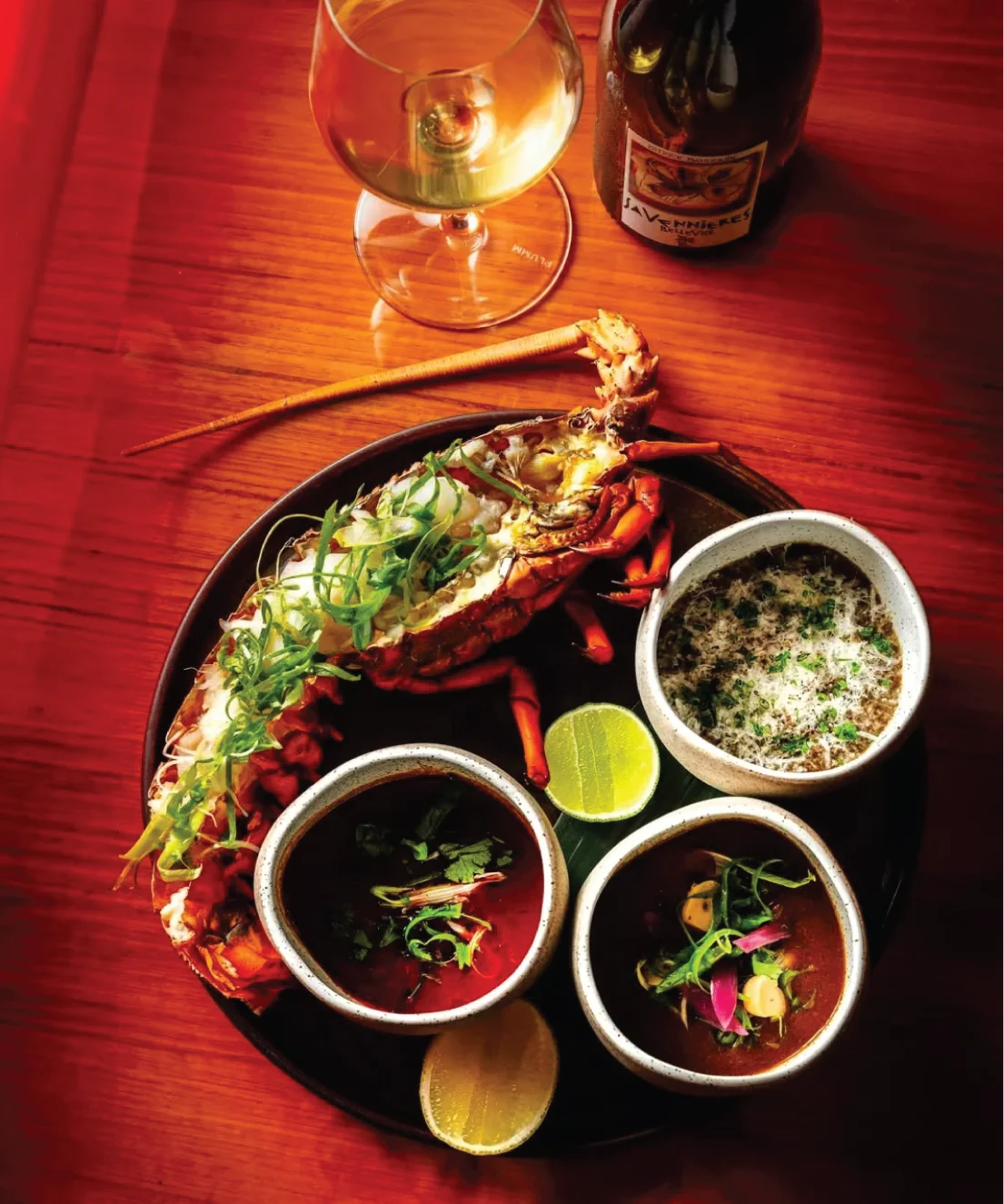
Now, Sydney is on the cusp of a new culinary chapter thanks to Kwong. As part of her role as a Powerhouse Associate at the soon-to-open Powerhouse Parramatta, Kwong will cast a light on the various and vibrant communities of Western Sydney, one of the fastest growing and most diverse melting pots in Australia. Powerhouse Parramatta is the first major New South Wales cultural institution to be established in Western Sydney and will also be the largest museum in the state. Part of her stewardship will include a dinner series hosted in tandem with chef Bhavna Kalra Shivalkar, and will focus on Indian cuisine, exploring the different regions and restaurants that reflect the local Indian community in Western Sydney’s Harris Park, Sydney’s Little India.
Through the lens of food, Kwong will amplify Sydney’s multicultural voices and expand the city’s tastebuds. Rather than blockbuster chefs exporting flavours with bravado, Sydney is set to embrace its smaller communities, family-run joints, and lesser-known chefs offering true tastes and a variety of Australian cuisine.