Over the last three decades, the well-traveled editor and photographer Miguel Flores-Vianna has documented the design tastes of the global well-heeled for publications like The World of Interiors, Cabana and Architectural Digest. Haute Bohemians, his critically-acclaimed book from 2017, surveyed the artistic interiors of international homes, from the cluttered Antwerp residence belonging to the decorator Gert Voorjans to the barren blue walls of the Château de Montigny in Burgundy. His latest work, Haute Bohemians: Greece, a follow-up of sorts published by Vendome in May, finds Flores-Vianna focusing his lens on the interiors of just one location: the Greek isles.
Here, the self-described “Hellenophile” chats with PRIOR about the use of wind in Greek interiors, the most underrated getaways in Greece and photographing the home of his Hydra neighbors, the celebrated American artists Helen and Brice Marden.
Why Greece was chosen for the second installment of Haute Bohemians.
Every year, I spend about six weeks in Greece, normally from the beginning of August to the middle of September. I have been going there since I was pretty young and I am in my 50s now, to give you a sense of just how often I have been going there. All my friends think of me as “semi-Greek,” in the sense that I always root for the Greek player during a tennis match and that kind of thing. But I never set out to do a Haute Bohemians number two. But when I finally had photographed most of the places in Greece, I realized, well, these properties belong to very similar characters to the ones I featured in the first book. The word “bohemian” somehow resonates with lots of people. For example, this year Sothebys used “Haute Bohemian” in the title of a sale of furniture belonging to Andrew Allfree [the English interiors and antiques advisor], and so João Magalhães [Sotheby's Head of Furniture] interviewed me for that. It just seems like the name has stuck, in a natural way.
Greek interiors have ‘wind, light and a certain spareness.’
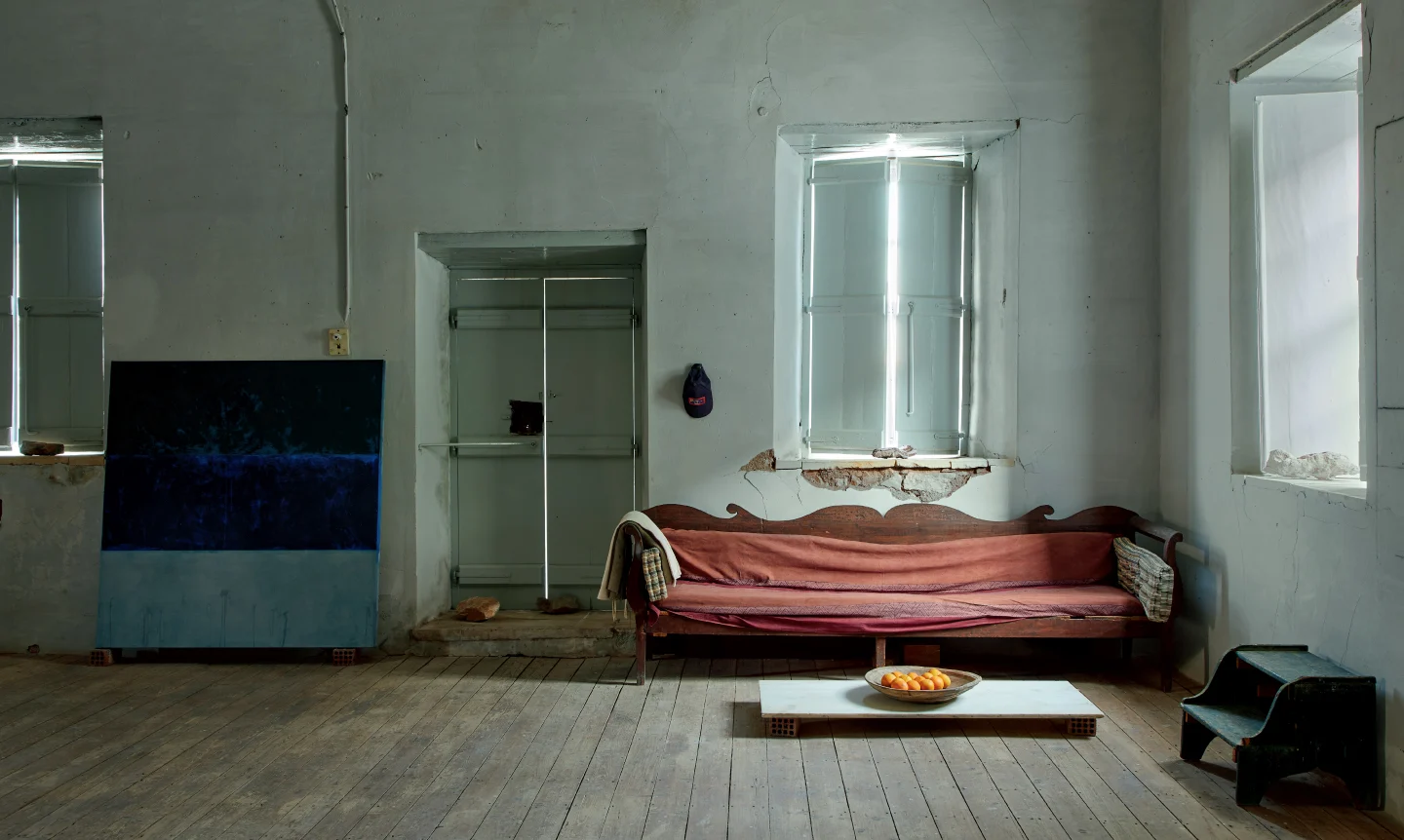
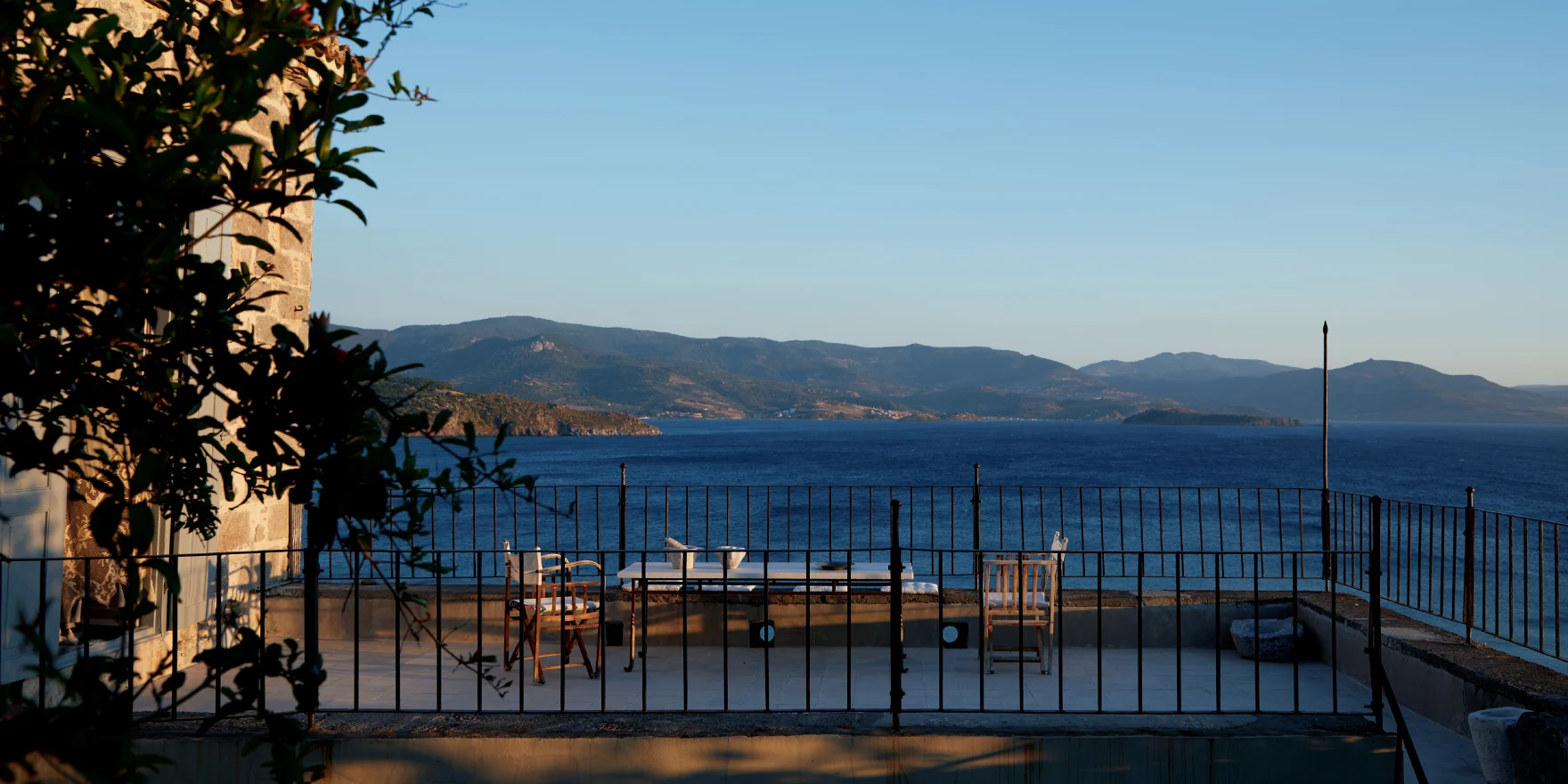
The first thing that comes to mind when I think about Greek design is light. Light is always so prevalent, whether you are in an urban environment like Athens or one of the islands or the north or the South. It's always there, winter or summer. Greece has a very rich light with many tones that you have to learn to work with. In most places you photograph, you tend to look for light all the time. But in Greece, sometimes you have to run away from the light because between 10 o'clock in the morning and five in the evening, in the middle of summer, you cannot really shoot because there's just so much light that sort of overpowers everything. This is why you need a siesta. So for me, the main element of any interior in Greece is the light — and what it does to the interiors. And then the second thing that I love about Greek interiors is that they have a very good understanding of how wind works. In great Greek houses, there is a constant flow of circulating wind. There's also a sense of lightness. Not only daylight, but a lightness that never feels too heavy, like a certain minimalism. I never see Greek interiors that are overwhelmed by furniture and objects. Everything tends to be a little bit more spare than, say, an English interior, for example. I think this is partly because the Greek character and personality tends to be warm and welcoming. So, because the personalities that tend to live in those spaces are warm and welcoming, I don't think they have an overwhelming desire to make everything cozy like the English, who need to comfort with furniture rather than with people. So, there is the good use of wind, light and a certain spareness in most Greek interiors, whether they're owned by Greeks themselves or by the foreigners who come and live there during the summer.
Blue in the skies, sea and interiors.
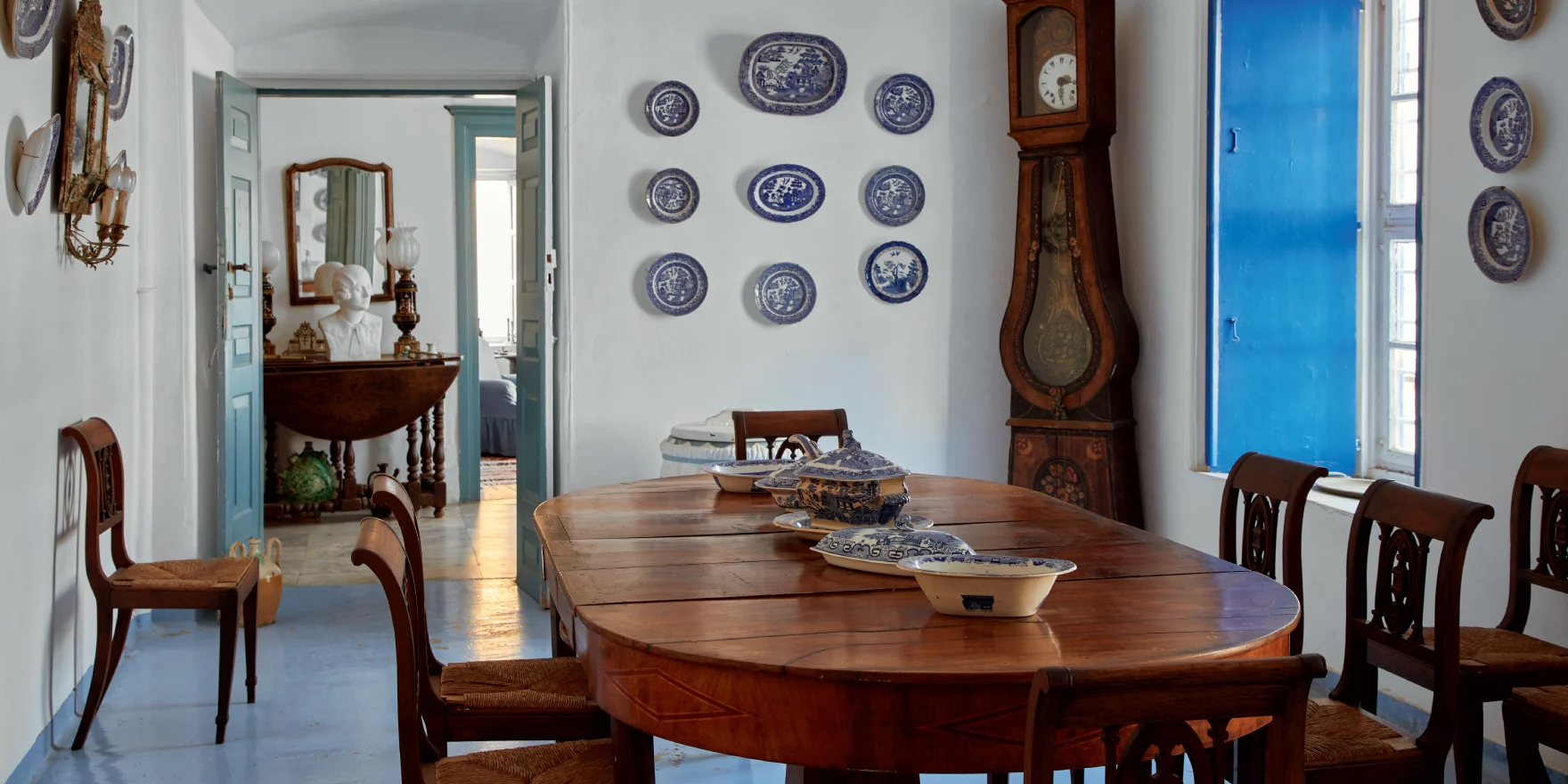
You always think of Greece as being where towns have white buildings with blue windows and doors. Originally, the use of blue was for practical reasons. Blue and white colors could cool the interiors and reflect the heat. Plus, paint was very expensive before the 20th century, when synthetic paints were discovered. On the islands, fishermen and sailors used blue for doors and shutters since it was the cheapest paint color available to them. But with the 20th-century development of tourism, blue and white became the postcard image of Greece, a place where towns have white buildings with blue windows and doors. But funnily enough, on one island that I go to all the time, Hydra, the windows and shutters are not painted gray, not blue. But somehow, it’s the blue that has stuck in the minds of people — that amazing sky and that amazing Aegean sea.
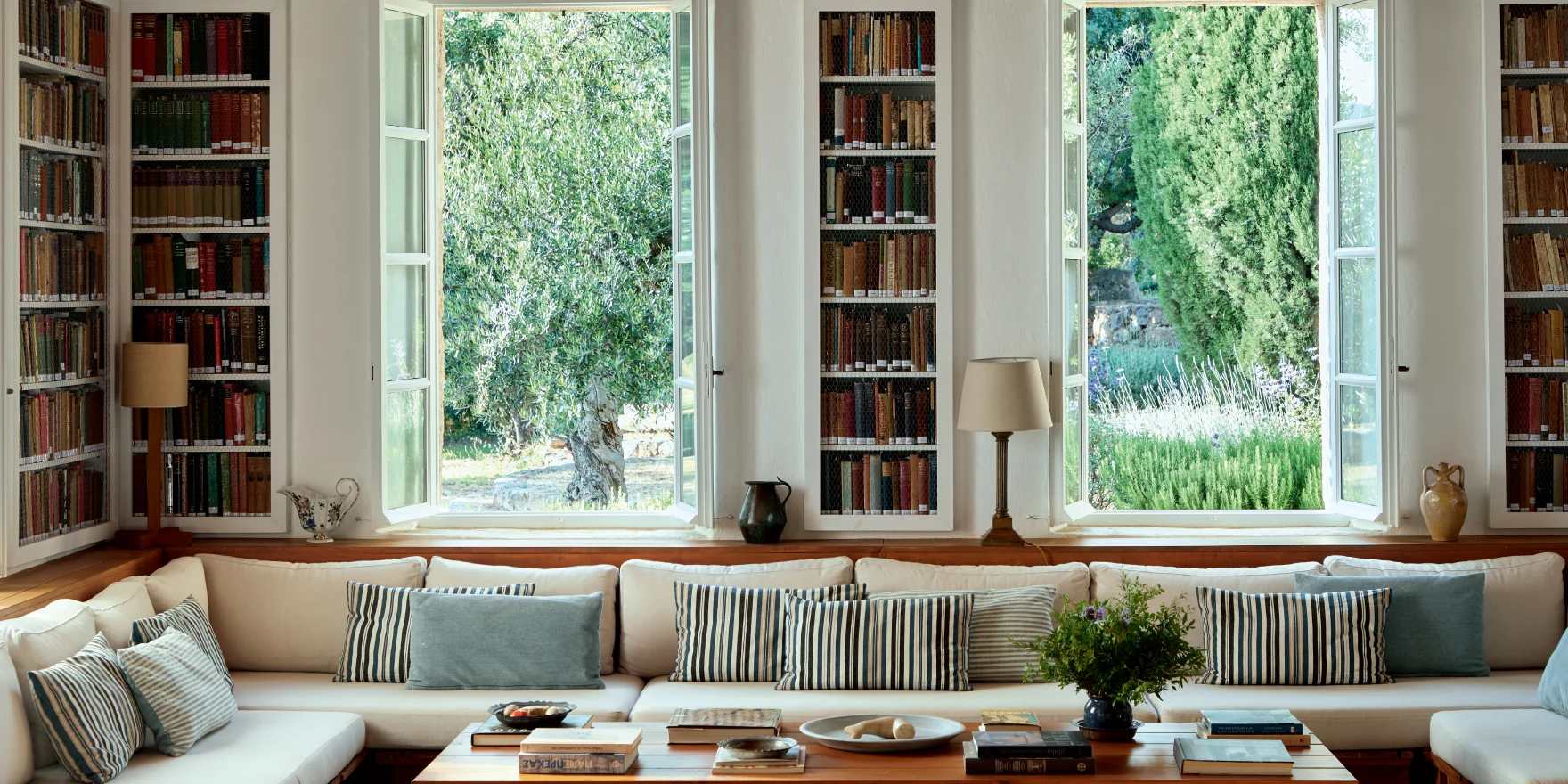
Grecian design is in the details.
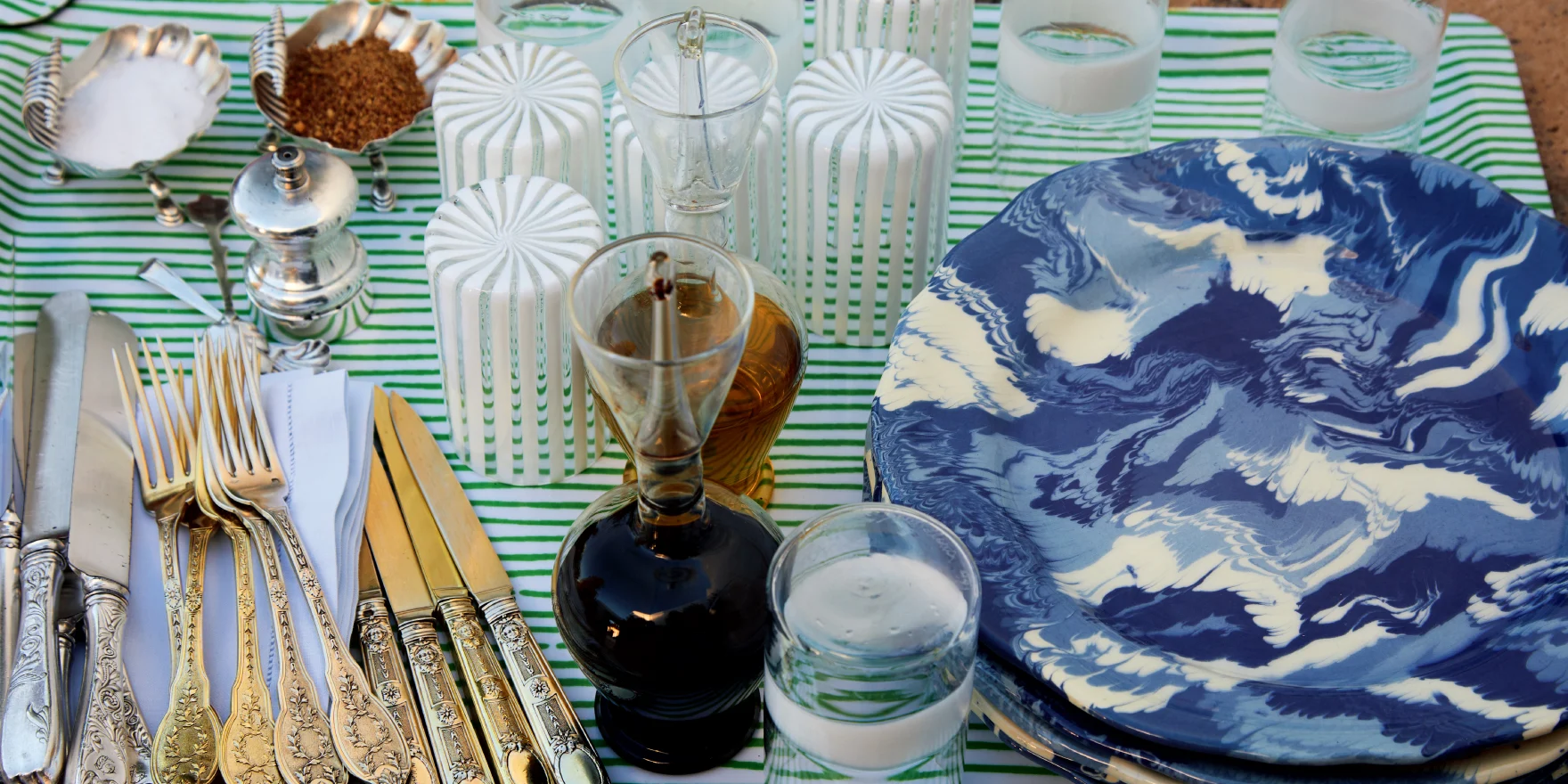
For Haute Bohemians Greece, there were three iconic houses that I knew I had to feature: Patrick and Joan Leigh Fermor House in Kardamyli, a town in Kalamata; a house belonging to Niko Ghika, a leading Greek painter, on Corfu; and John Stefanidis' house in Patmos. Those properties are anchors for the idea of ‘living well’ in Greece, at least in the 20th century. I also really wanted to have Brice Marden’s house because it's around the corner from where I live in Hydra. But I am never there when Brice is there, so I had never actually been inside the house, but I always pass it and I just love the building. So I thought, ‘There is no way this house will not be great.’ And it absolutely was not a disappointment. With other places, I simply wanted more people to know about them. For example, there is this family of potters who have been mastering their craft for generations on the island of Lesbos. In classical times, the island was known to be a place where the Greek went to get ceramics. Until the 1970s, water and olive oil was transported around Greece in these glazed ceramic vessels. So this family has collected ceramic insects and wall pottery made by ceramicists who have been making objects with these classical forms forever. You think, ‘My God, this potter learned this from that person who was taught by that person who learned ceramic making from their grandfather.' It’s this chain of learning that goes back far, at least a few centuries. One of the best parts of my job are these small details that allow us to recognize these small things that are much bigger than us.
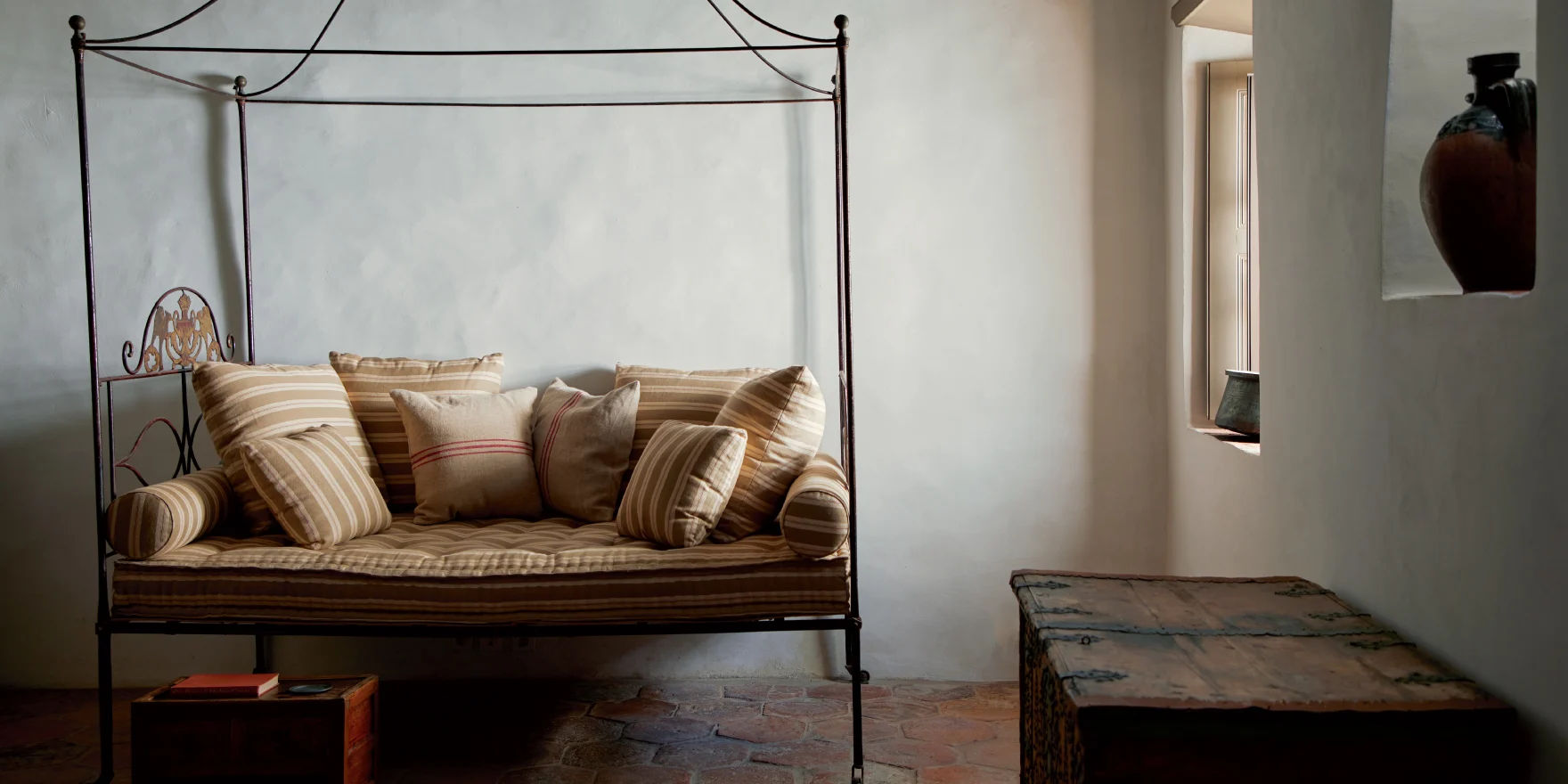
Hydra for summer. Patmos for fall.
I always go to Hydra in the summer and Patmos in the offseason. From now until the end of August, Patmos is a real hotspot, especially for Europeans. But I actually love the silence when Hydra and Patmos are empty, like in mid spring or autumn. It's just the locals. I like to presume this is the way Greece was before tourists arrived. And Patmos, in particular, is very close to the Turkish coast. so you sort of get a sense of being in a frontier area. When you get in the car, you turn on the radio and the only stations you can pick up are Turkish. You are in this kind of lunar landscape and listening to local Turkish radio. You really feel that you are at the end of the world. I love that about Patmos. Hydra, on the other hand, feels more cosmopolitan and closer to Europe, because it used to be a Venetian town.
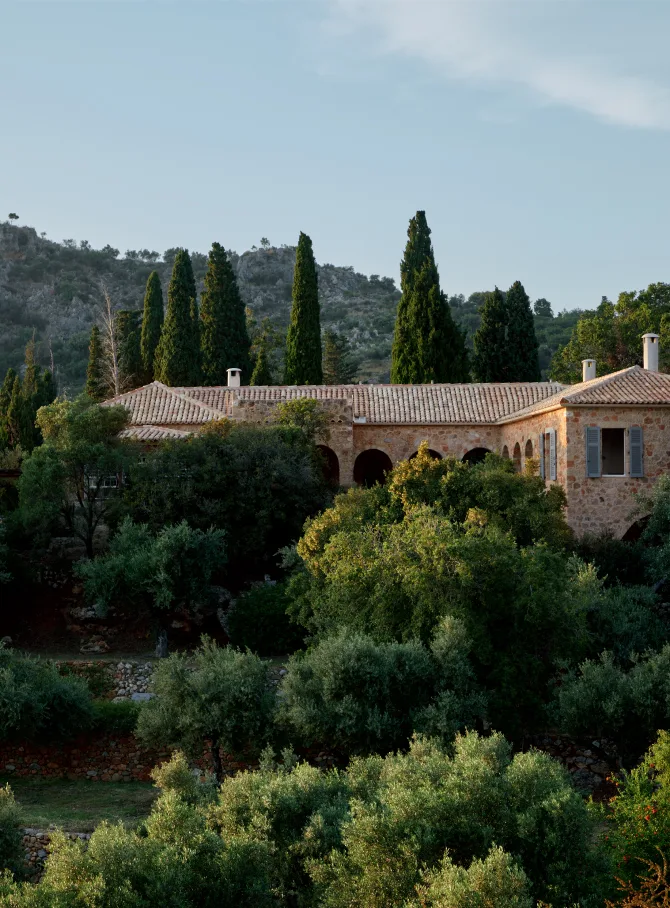
Greece’s most underrated tourist destination?
Doing the book, I discovered an area which I have never been to before: Pelion, a peninsula in the north of Greece that is completely covered in pine forests with trees that are 80, 90, 100 years old. It’s a really magical place — and not so discovered by tourism. It's authentic Greece, just 5 hours north of Athens, that feels much more green. It's an elemental Greece of sea water and rock. It's funny because in the book I actually repeat something that Patrick Leigh Fermor said, which I had never thought about. When you look at old master paintings of Arcadia from the 16th, 17th and 18th centuries, Arcadia was imagined as very green — full of small rivers and waterfalls and all that. And so that's the way they imagined Greece. But Greece actually is not at all like that, right? It’s mostly dry and rocky. But in Pelion, somehow you get that feeling of green from those old master painters.