As Paris turns out for Fashion Week, the city dazzles on runways and boulevards. Yet its truest luxuries are the quiet ones, repeated daily: a loaf wrapped in paper and tucked under your arm, a wedge of cheese chosen with care, a glass of wine balanced on a precarious outdoor table. These gestures, at once ordinary and elevated, form a parallel Paris — measured not in collections and shows but in bread, cheese, and wine. This guide gathers the addresses we return to, places that capture the city’s enduring appetite and style.
Wine Bars
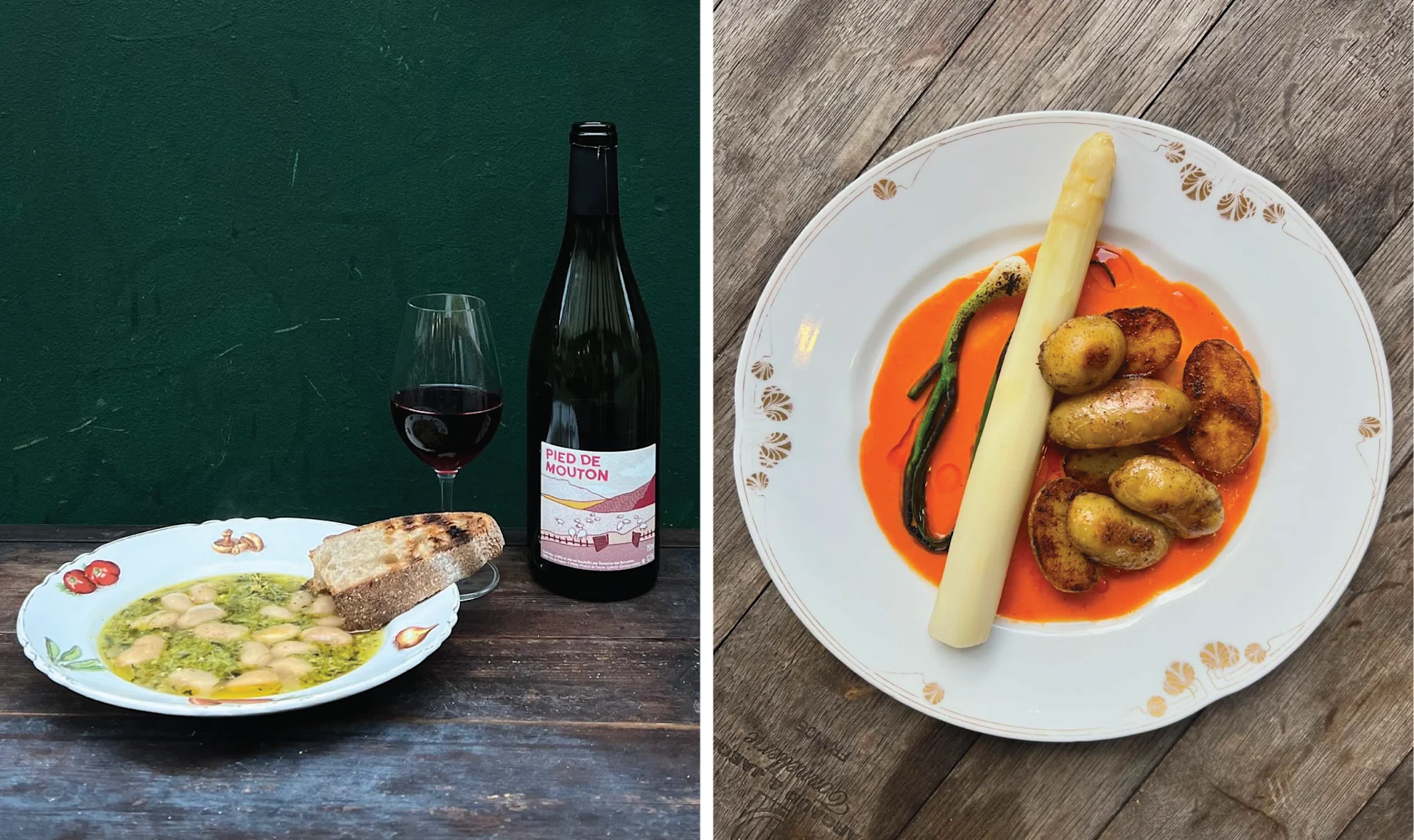
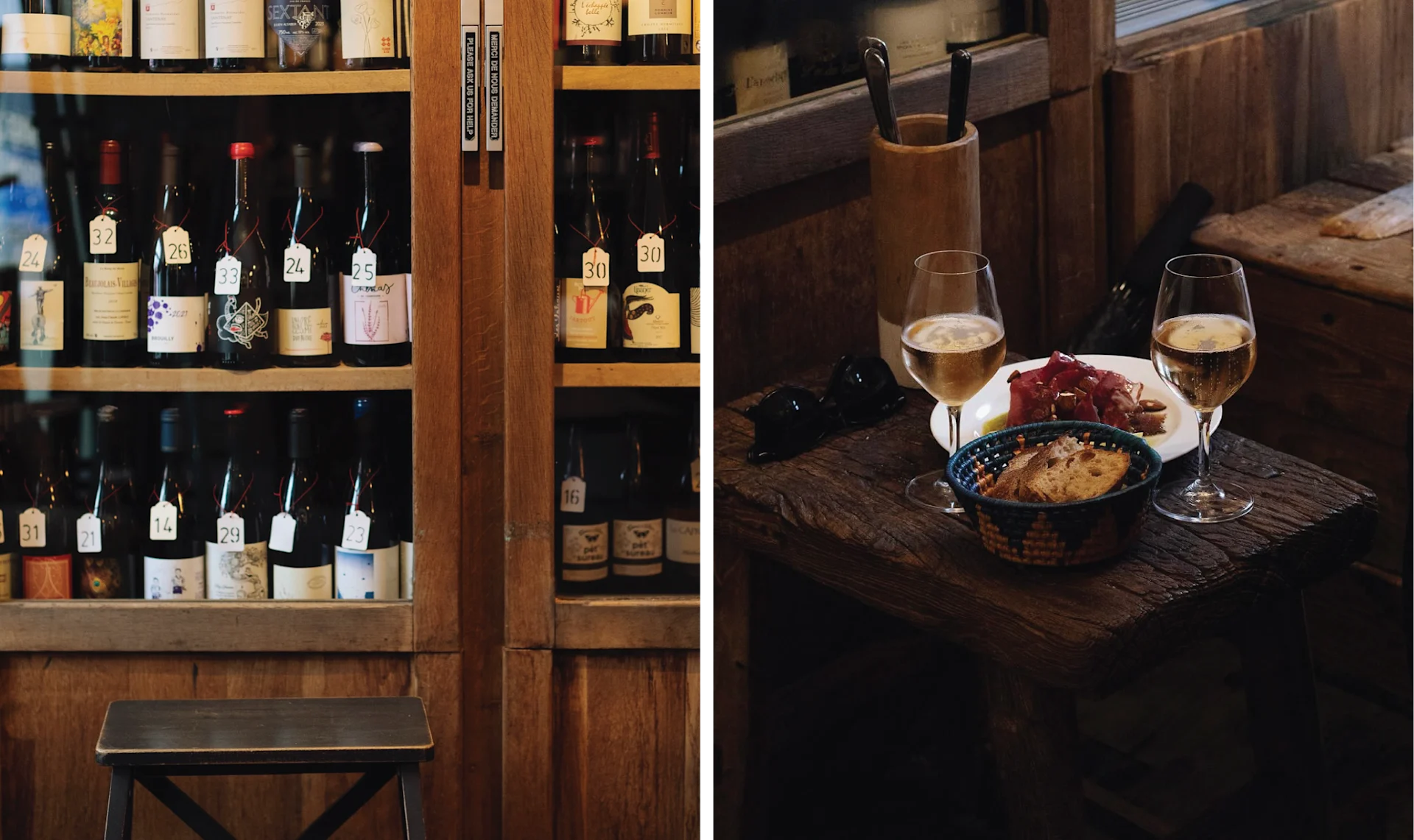
Paris’s wine bars thrive on intimacy and personality, with many leaning toward small growers and natural bottles. Septime La Cave, from the team behind the celebrated restaurant, strips the idea down to its essence: wood and brick, bottles stacked floor to ceiling, modest corkage, and the pleasure of standing shoulder to shoulder while plates appear as they are ready. Across town, La Buvette proves that influence has nothing to do with size. Camille Fourmont’s tiny room on rue Saint-Maur, famous for its giant beans and cult bottles from small producers, holds barely ten people but has inspired a generation of wine bars well beyond Paris.
Folderol from the team at Le Rigmarole pairs artisanal ice cream with a sharp, grower-driven wine list — an improbable union that becomes an evening’s defining memory. For conviviality, Aux Deux Amis in Oberkampf remains essential, combining Spanish-inspired charcuterie with natural wines bought directly from growers, and a brass bar that somehow makes both solo drinkers and groups feel equally at home. And then there is Delicatessen Place, a onetime cobbler’s shop where buffet-style plates and bottles from the cave next door lean toward natural and biodynamic producers, making every evening feel happily improvised.
Cheese Shops
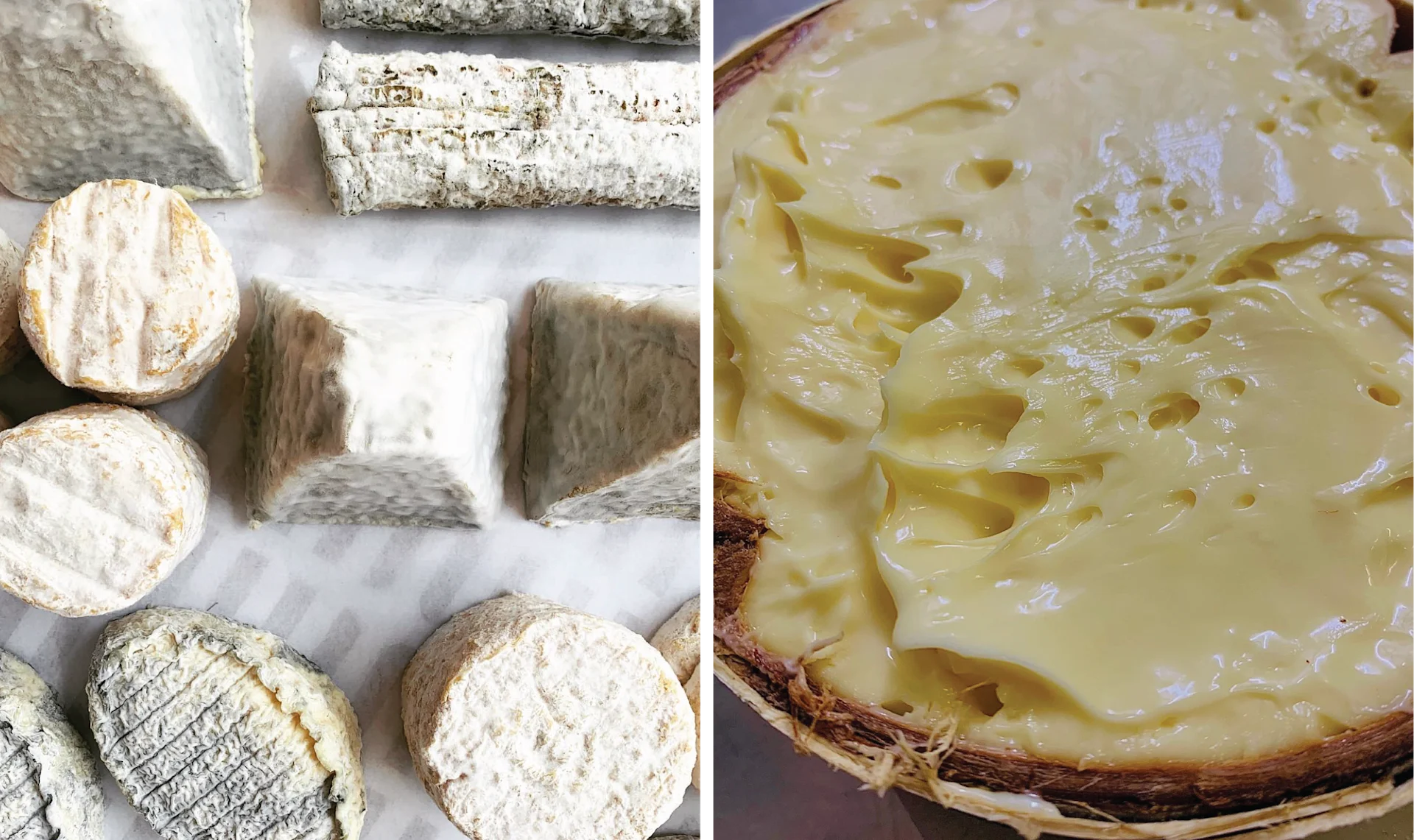
Parisian fromageries are maps of the country in miniature, each affineur revealing their philosophy through what they choose to age and how they present it. On Boulevard Saint-Germain, Laurent Dubois, a Meilleur Ouvrier de France, balances reverence for tradition with a spirit of invention. His perfectly aged Comté sits alongside strawberry-basil chèvre or Roquefort paired with quince. Crèmerie Terroirs d’Avenir, part of a broader ecosystem of butchers, bakers, and fishmongers, connects the city to small-scale producers who champion heritage breeds and raw milk. Look here for rarities such as Jersey butter churned to order.
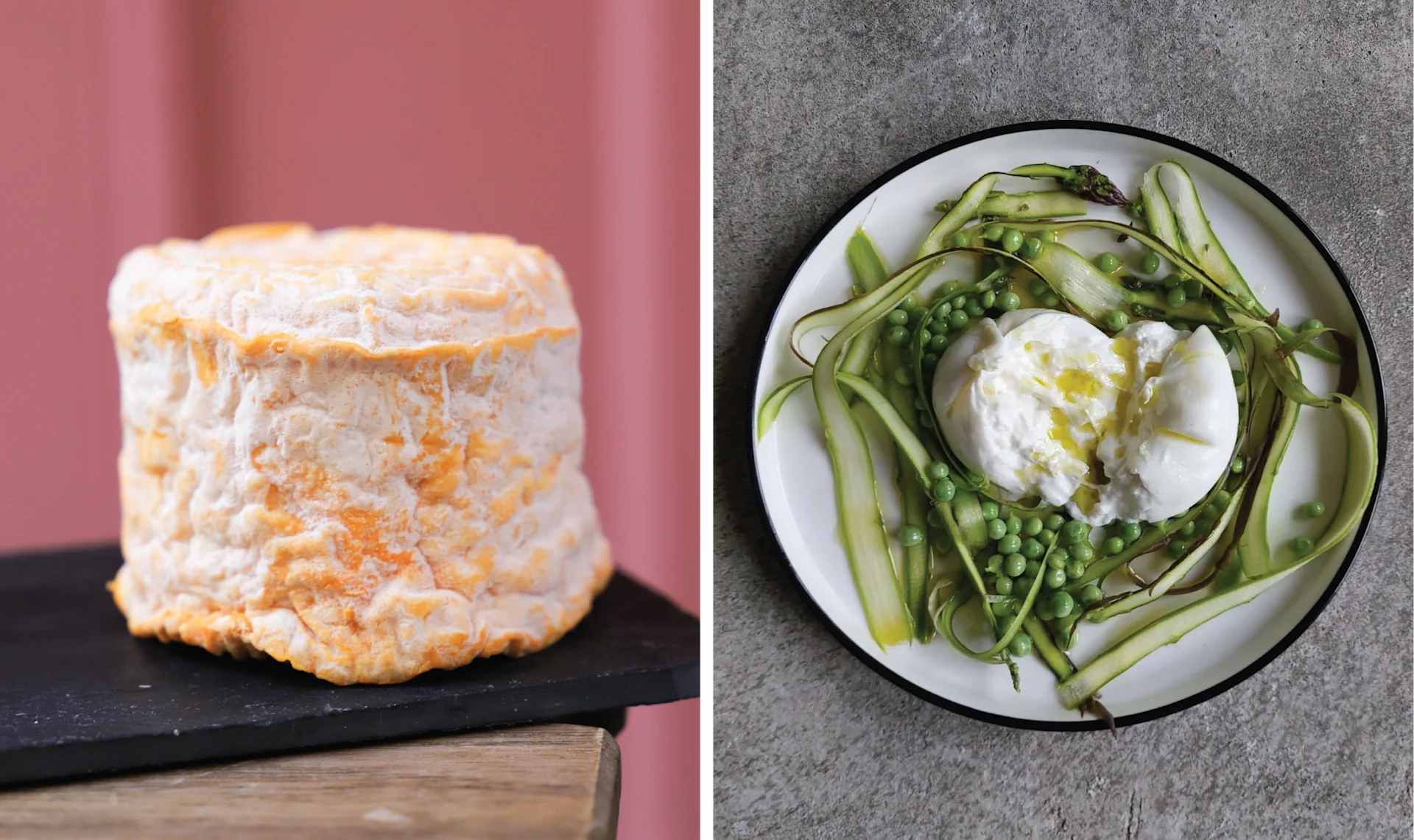
On rue de Grenelle, Barthelemy has supplied everyone from the Élysée Palace to Catherine Deneuve, though its true specialty is Fontainebleau, an airy cow’s milk cheese almost impossible to find elsewhere. In the 10ᵉ, Taka & Vermo, run by Laure and Mathieu, offers cheeses with a story, each wheel tied back to the land, the herd, the producer. And near the Champ de Mars, Marie-Anne Cantin continues a family tradition, aging wheels in cellars beneath her shop and guiding customers with a warmth that makes the experience personal.
Bakeries & Pâtisseries
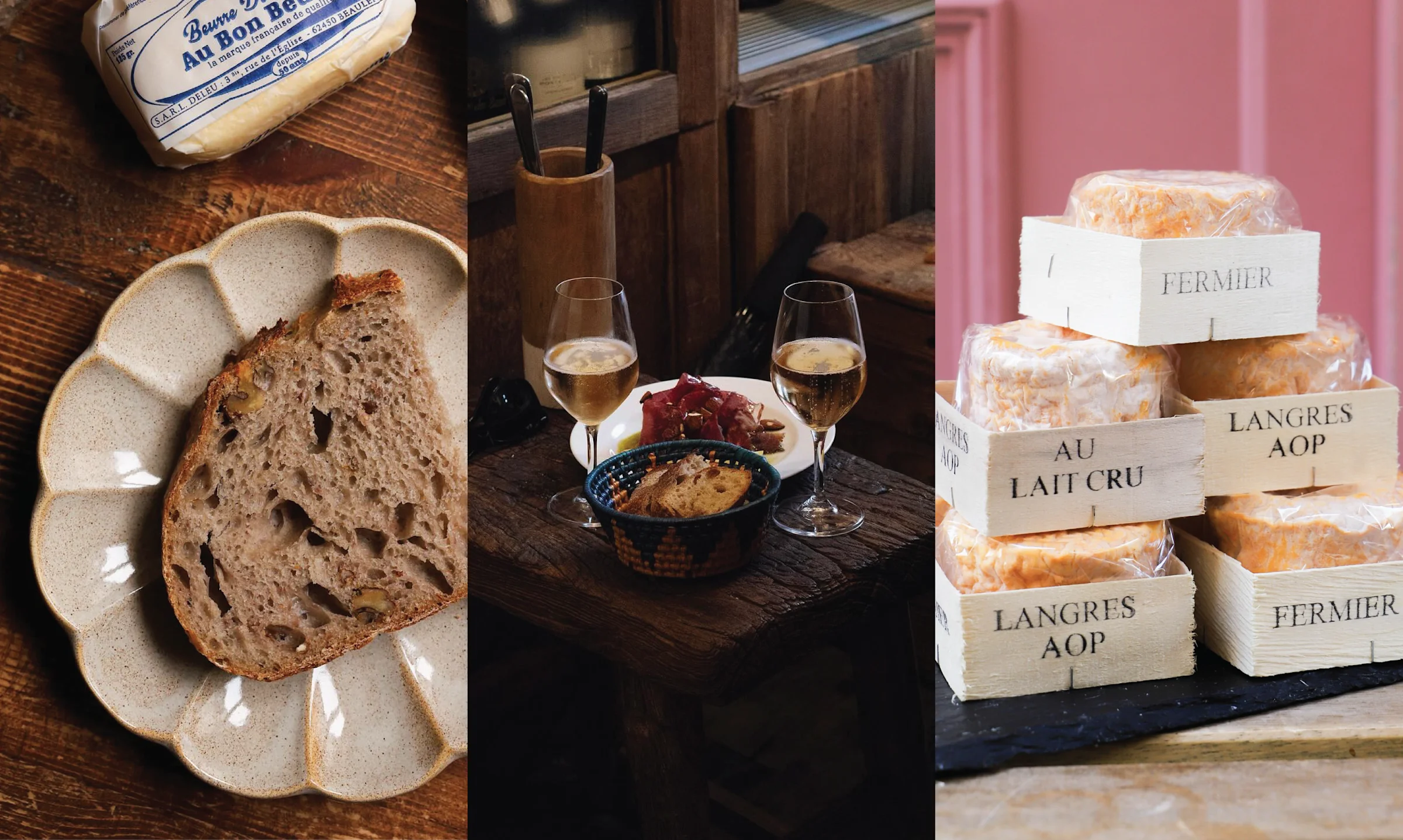
Bread is the daily rhythm of Paris, and the city still offers bakeries where the craft feels elemental. Boulangerie Poilâne, founded in 1932, remains the most storied, still baking its dark, wood-fired sourdough from the historic oven on rue du Cherche-Midi. At Panifacture, the edit is tight but flawless: pain suisse, pain au chocolat, and focaccia, each one exceptional. Ten Belles helped ignite the sourdough revival, their loaves marked by a deep crust and airy crumb.
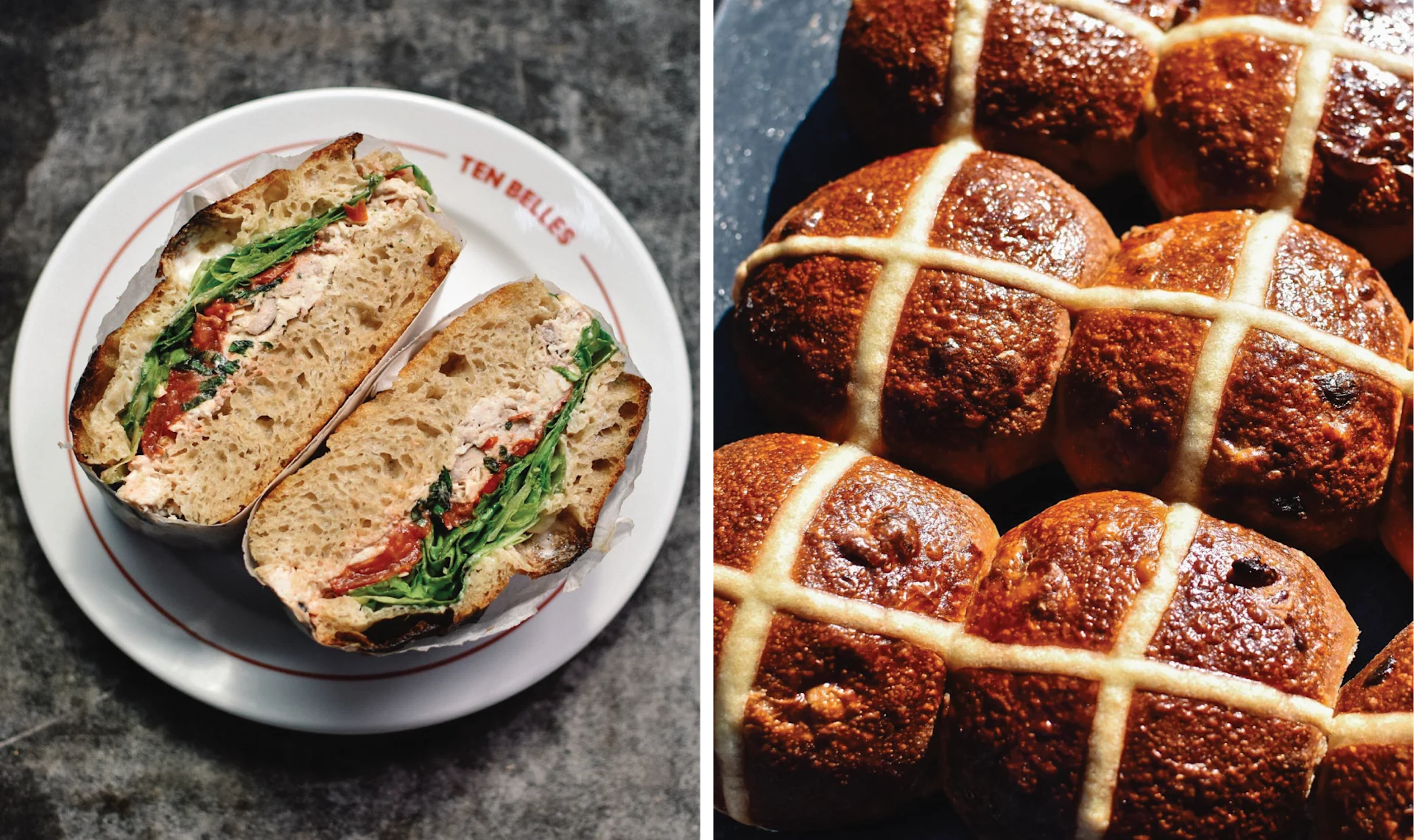
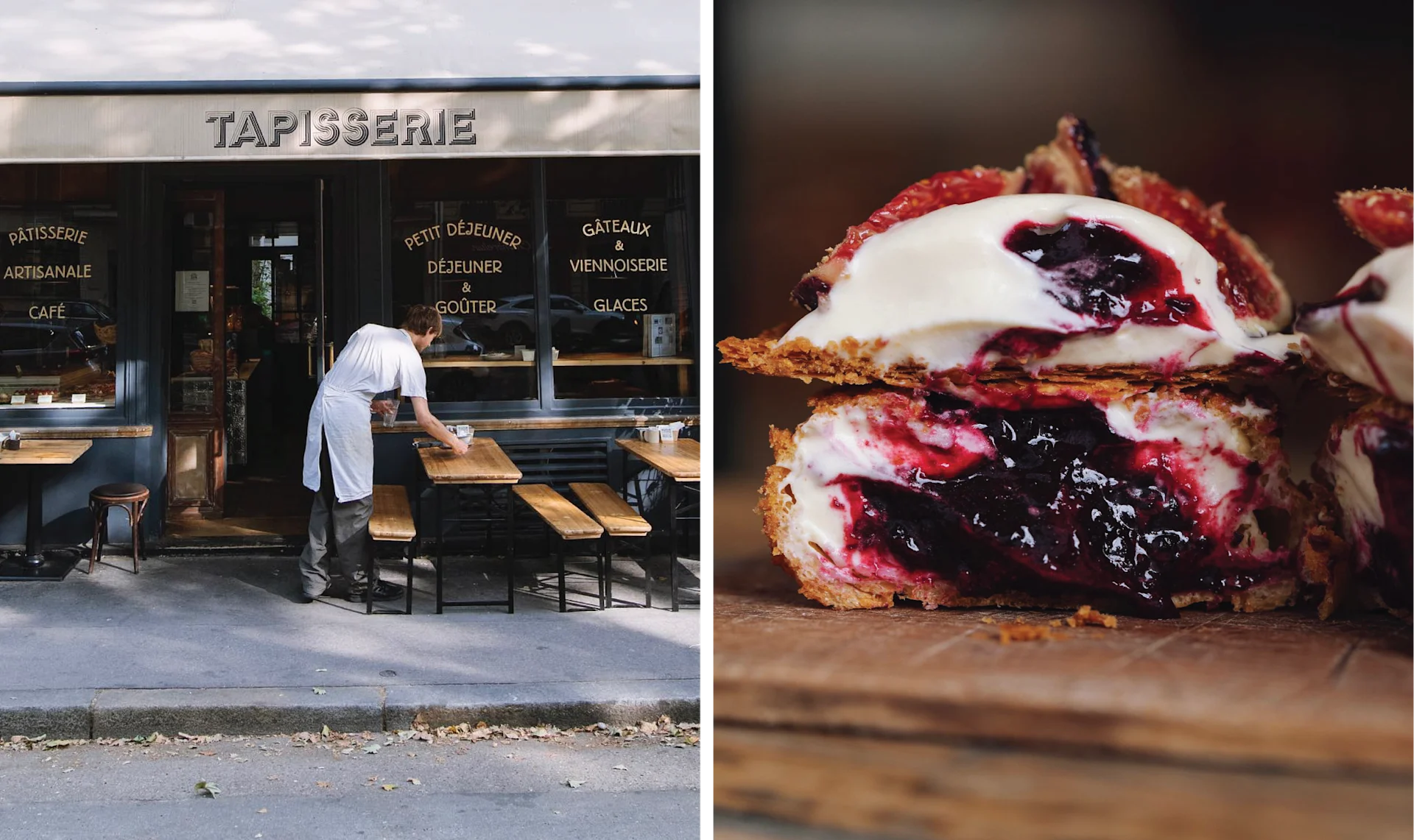
For everyday breads, Mamiche has become a neighborhood standby, known for baguettes, miche, and the salty jambon-fromage roulé best eaten in hand. On the sweet side, Pâtisserie Tapisserie, from the esteemed Septime and Clamato team, makes desserts with finesse, from the maple tartelette when in season to a perfect choux. And then there is Stohrer, the city’s oldest pâtisserie, founded in 1730, where lemon tartes, éclairs, and the rum-soaked baba remain part of Paris’s living heritage.