Flying into Darwin International Airport, Australia’s Northern Territory unfurls like a canvas of molten reds and ochres. From the air, parched riverbeds cut through sun-blasted land sculpted by the elements. It’s the dry season now. Wetlands flash silver where water lingers, and mangroves press thickly along the coast beneath a wide, bleached sky. Soon, rain will arrive in torrents, swelling rivers, flooding billabongs, and filling the landscape with sound and movement.
On the streets, those pendulum swings of nature invigorate everyday life, shaping not only the terrain but a palpable artistic and musical pulse that’s drawing people north.
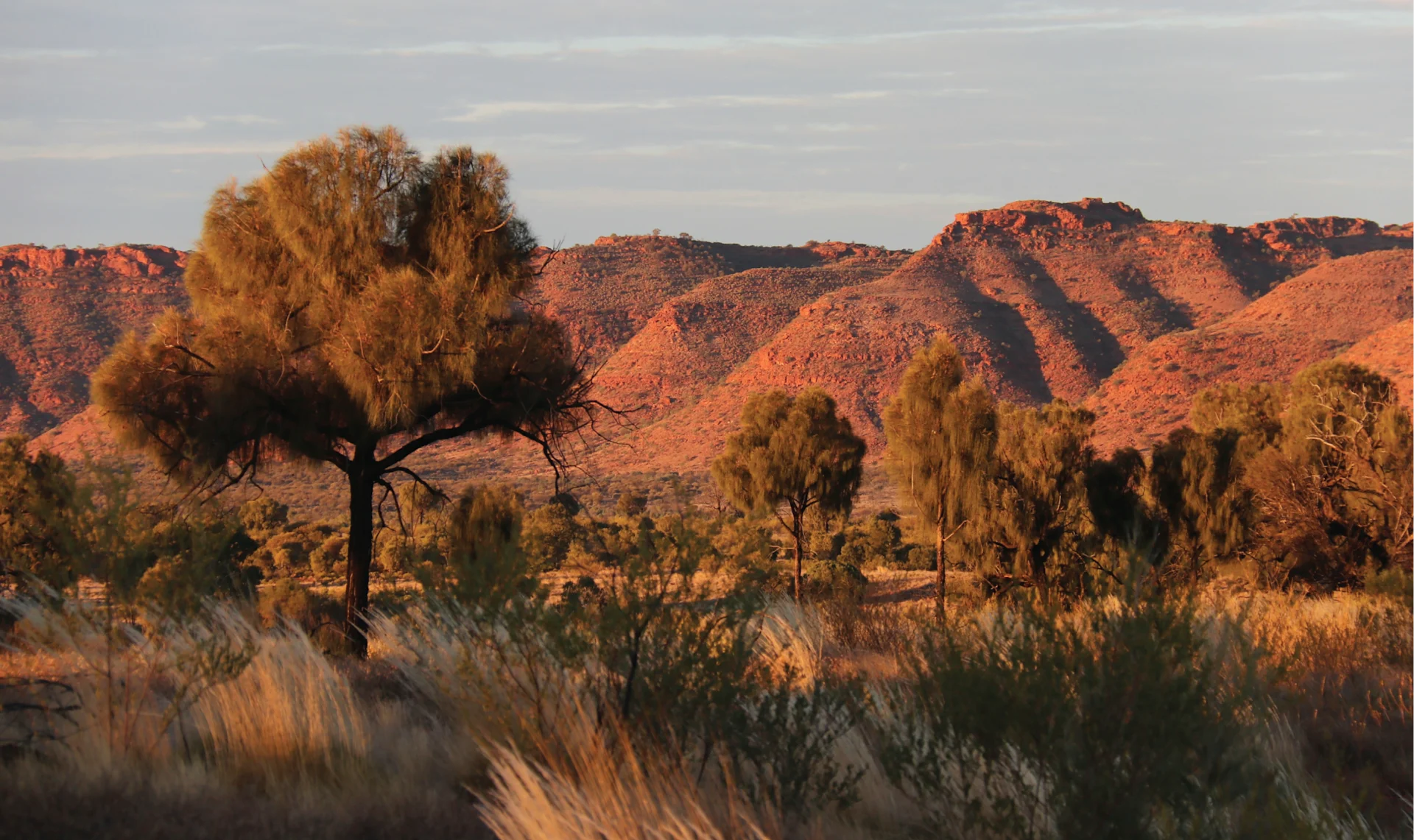
Darwin sits at the edge of the Top End, the unofficial name for the tropical north of Australia’s Northern Territory. The region spans Arnhem Land and the Tiwi Islands and is home to some of the world’s oldest living cultures. A popular base for road trips inland, Darwin is, in reality, more outward-looking—a three-hour flight to Bali, compared with five to Sydney. What lies beyond Darwin is not a single attraction but a diverse region where ancient traditions and contemporary expression move in parallel.
Long celebrated in Australia for its Indigenous music and art, the Top End is increasingly finding wider audiences—on radio playlists, in major galleries, and through the people choosing to spend time here rather than passing by.
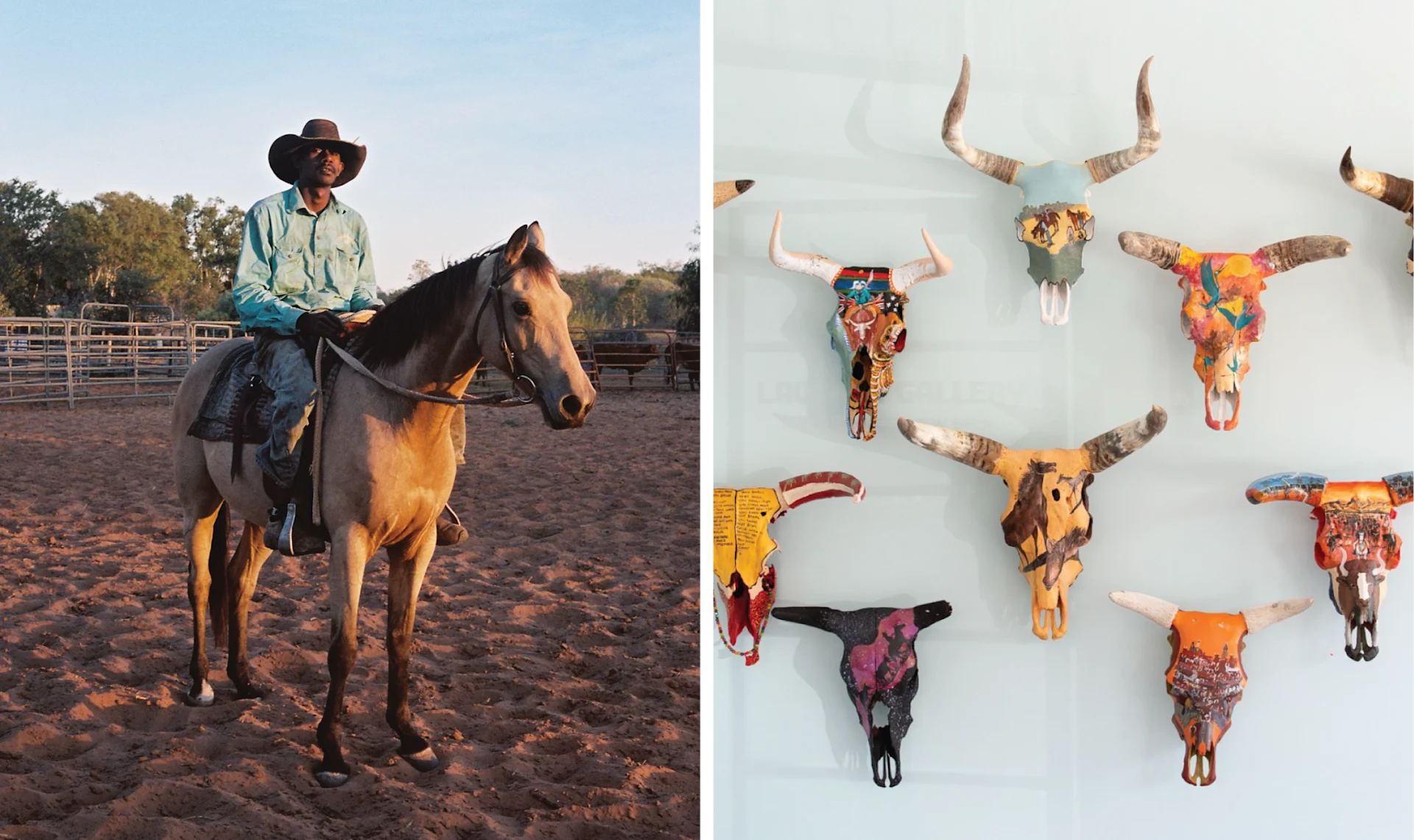
Moving from town to town, island to island, the region’s vastness contracts. Small, tight-knit communities sit amid red earth and winding streams. The whole place feels ancient—until you turn on the radio. Australian chart-toppers Baker Boy and King Stingray cut through the soundwaves with hip-hop, synth, and funk, switching effortlessly between English and First Nations languages. Or consider the Mulka Project, a remote studio tucked off a dirt road that operates as both a digital archive and production space, translating Indigenous narratives into new formats, including a recent sound-and-light installation at the Art Gallery of New South Wales.
It’s striking how naturally tradition and experimentation coexist here. For visitors, that push and pull translates into a place where culture feels truly alive—whether it be through music on the radio, conversations with locals, or art that connects past and present in real time.
First Stop: Darwin
Darwin’s orientation toward Asia shows up immediately on the ground. Its food, language, and landscapes reflect centuries of exchange, but the city’s creative life extends well beyond the market stalls and laksa queues that first catch your attention.
Begin on a Saturday morning at Parap Village Markets, where musicians weave between stalls and artists grab breakfast before heading to their studios. Just off the market, Laundry Gallery— a former laundromat reimagined by Larrakia curator Nina Fitzgerald—offers an entry point into contemporary Indigenous art, pairing work by emerging local artists with that of senior figures from remote art centers. On market days, the space hums. “Darwin’s stories have always been here,” Fitzgerald says. “We’re just finding new ways to let people walk into them.”

A short walk away, the Northern Centre for Contemporary Art anchors the city’s experimental verve. Housed in a converted petrol station, its program mixes local and international voices, grappling with themes central to the Top End—migration, borders, climate, and identity—and placing Darwin in a wider global conversation.