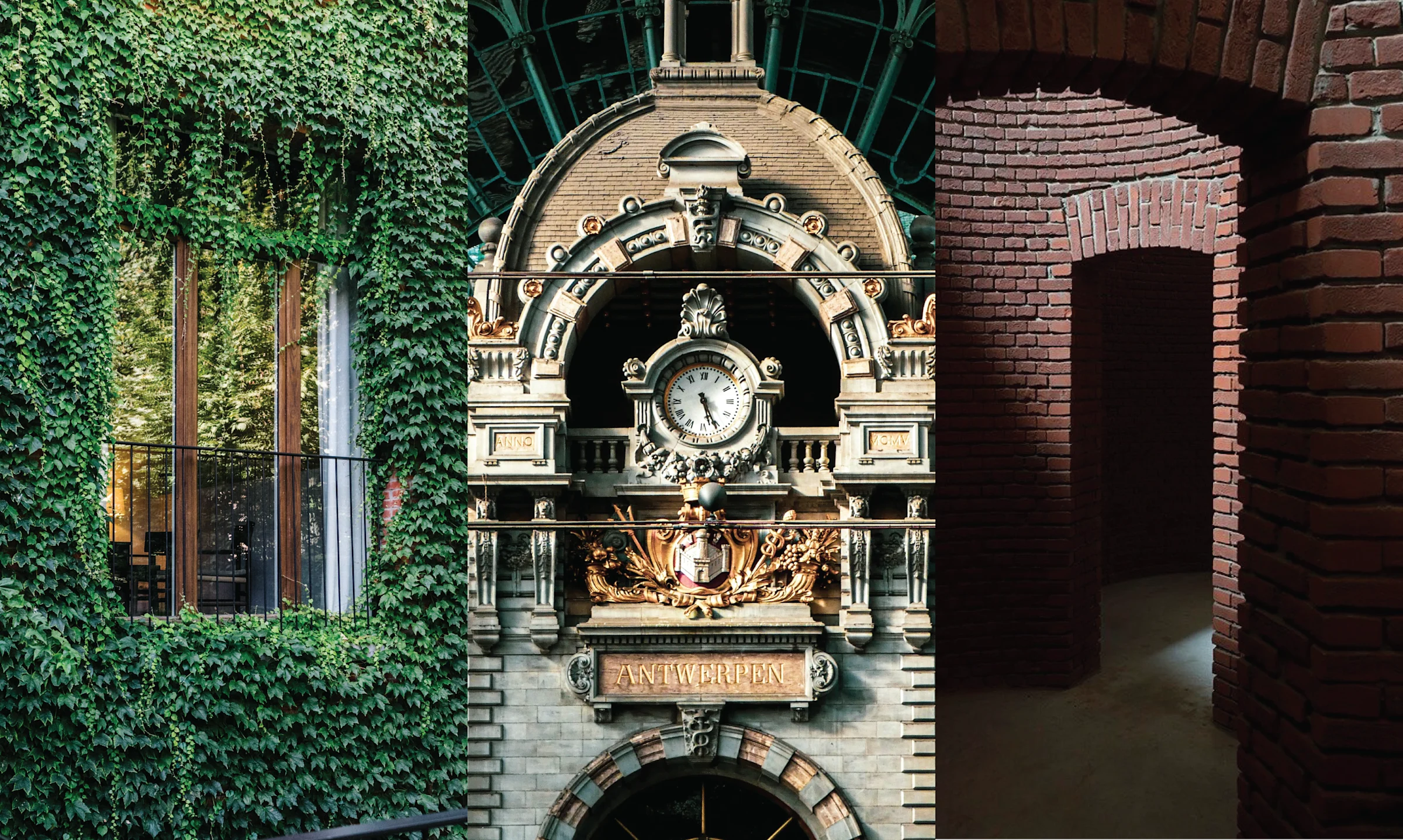
Occupying a unique position at the crossroads between northern and southern Europe, Belgium has long blended the innovation and clean-lined aesthetic of its Nordic neighbors with the cosmopolitan élan of France. Antwerp, a port city on the River Scheldt, has played an outsized role in the country's creative life. It is the birthplace of figures such as fashion designer Dries Van Noten and art dealer, designer, and curator Axel Vervoordt. Others, including architect and interior designer Vincent Van Duysen, moved to the city in the 1980s, drawn by its creative energy and community of designers, artists, and makers. Van Duysen describes Antwerp as “a big cosmopolitan village with an international allure”—a particularly apt observation given that the city has remained relatively under wraps among international travelers, with Belgians accounting for the majority of visitors each year.
Yet Antwerp does possess its own blend of fashion, design, food, and culture. Artists, craftspeople, and chefs here rarely seek attention through grand gestures; their work tends to reveal itself more discreetly, through rigor and an emphasis on quality. That sensibility may help explain why Antwerp has never achieved the kind of international profile enjoyed by other European cultural capitals.
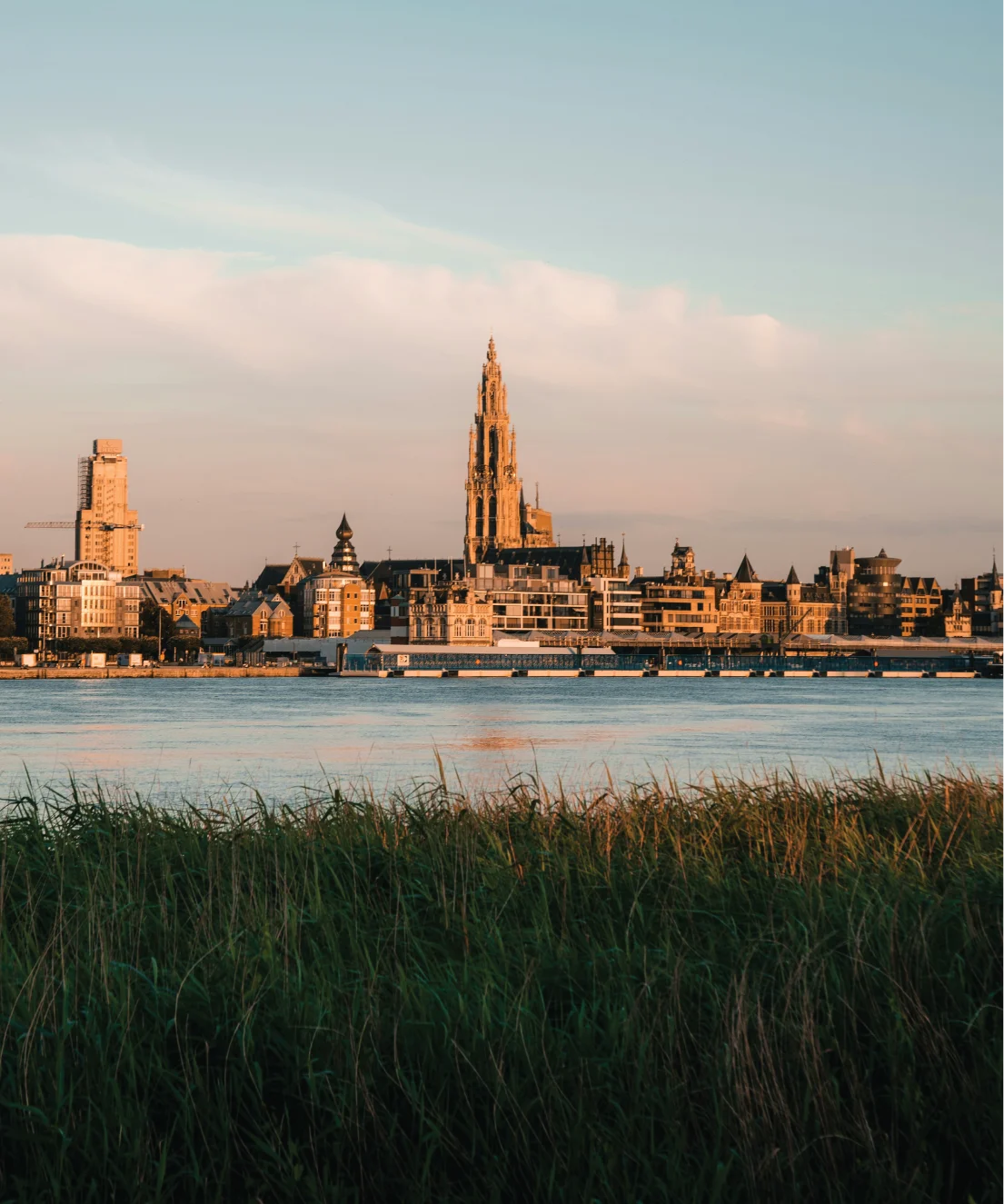
Over the past decade, Antwerp has seen a wave of hotel openings, restaurant launches, and cultural investment. The city has also restored several museums and cultural institutions, while events such as Art Antwerp—the contemporary art fair organized by Art Brussels—have helped draw greater international attention. The fair returned to Antwerp Expo for its fourth edition earlier this year.
“There has been a lot of urban development north and south of the city center, and a lot of green space has been added over the years, making it a city very conscious about quality of life,” says Van Duysen. “The city planners have made it more pleasant—so much so that many expats now live in Antwerp because of its fashion, art, food, design, and theater scenes.”
He points in particular to Nieuw Zuid, a relatively new district south of the city center. “There has been an extraordinary architectural development there,” he says. “You have art galleries, residential towers, restaurants. A number of renowned architects are building or have built there—Peter Zumthor, David Chipperfield, Shigeru Ban, to name a few.”
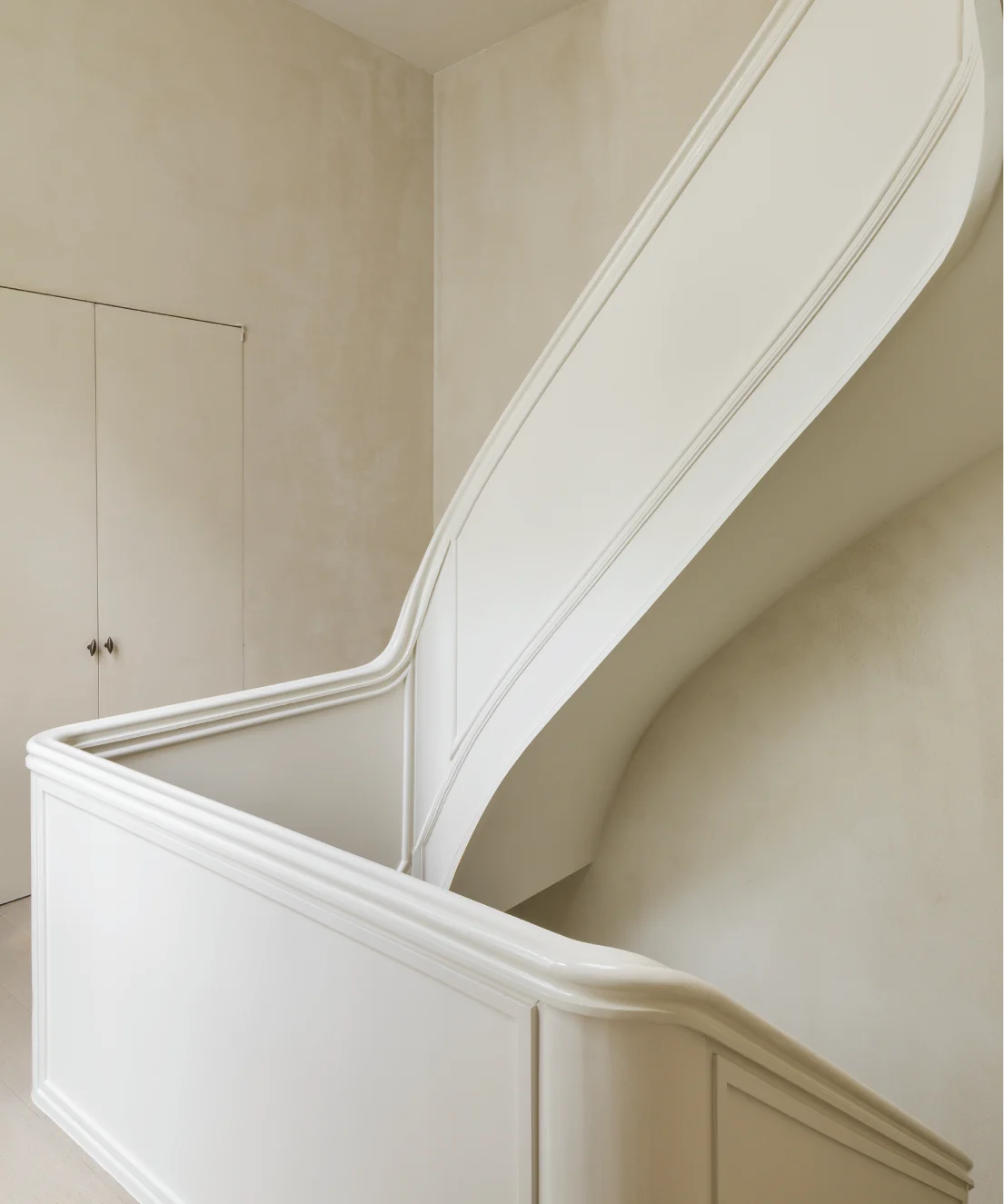
For visitors, these changes have made Antwerp alluring without fundamentally altering its character. The city's design culture now extends well beyond galleries and fashion houses, finding expression in a new generation of hotels, restaurants, and shops. Craftsmanship is a constant across these offerings,rather than being cordoned off behind museum walls.
Historic Building or Modern Hotel?
In 2019, when August, a former Augustinian convent re-opened as a modern hotel under the guidance of hotelier Mouche Van Hool (of the more traditional Hotel Julien) and Van Duysen in his first-ever hotel project, Antwerp's hospitality scene looked very different than it does today. “The location is outstanding, an old Augustinian convent and a listed building which made it a bit challenging to refurbish and turn it around,” explains Van Duysen, who has been living in Antwerp since 1987. “Today, August functions as a must-see destination in Antwerp—not only for international travelers but also for locals who want to have a great meal in the restaurant.”
The opening of August marked a broader trend in the Belgian port city's hotel landscape. Van Duysen infused his elevated minimalist ethos into this unassuming corner of Antwerp's Green Quarter while preserving the building's neoclassical features. The hotel quickly became a gathering place for both visitors and locals, many of whom frequent its restaurant and bar for business lunches and after-work drinks.