The festive and perennial mad dash for Champagne is inevitable at the end (and beginning) of every year. In a way that’s distinct from buying other wines (big Champagne brands tend to have big advertising budgets), buying Champagne can feel like walking through the cosmetics department at Bloomingdale’s: a bunch of glitzy well-known names in pretty fonts and colorful labels noisily seeking attention and then that weird corner where the grab-bag of small brands you’ve never heard of reside.
The easy thing to do when it comes to searching for the best Champagnes is to pick whichever bottle you’ve seen before and that fits your budget, and move along. But taking a few extra minutes to consider a different approach pays off handsomely. Entering the world of “grower Champagne” is a chance to tap into a category of wines that are evocative of a specific place and perspective—terroir in wine-speak—making the wines more interesting, more surprising, and more than just an accessory to a party.
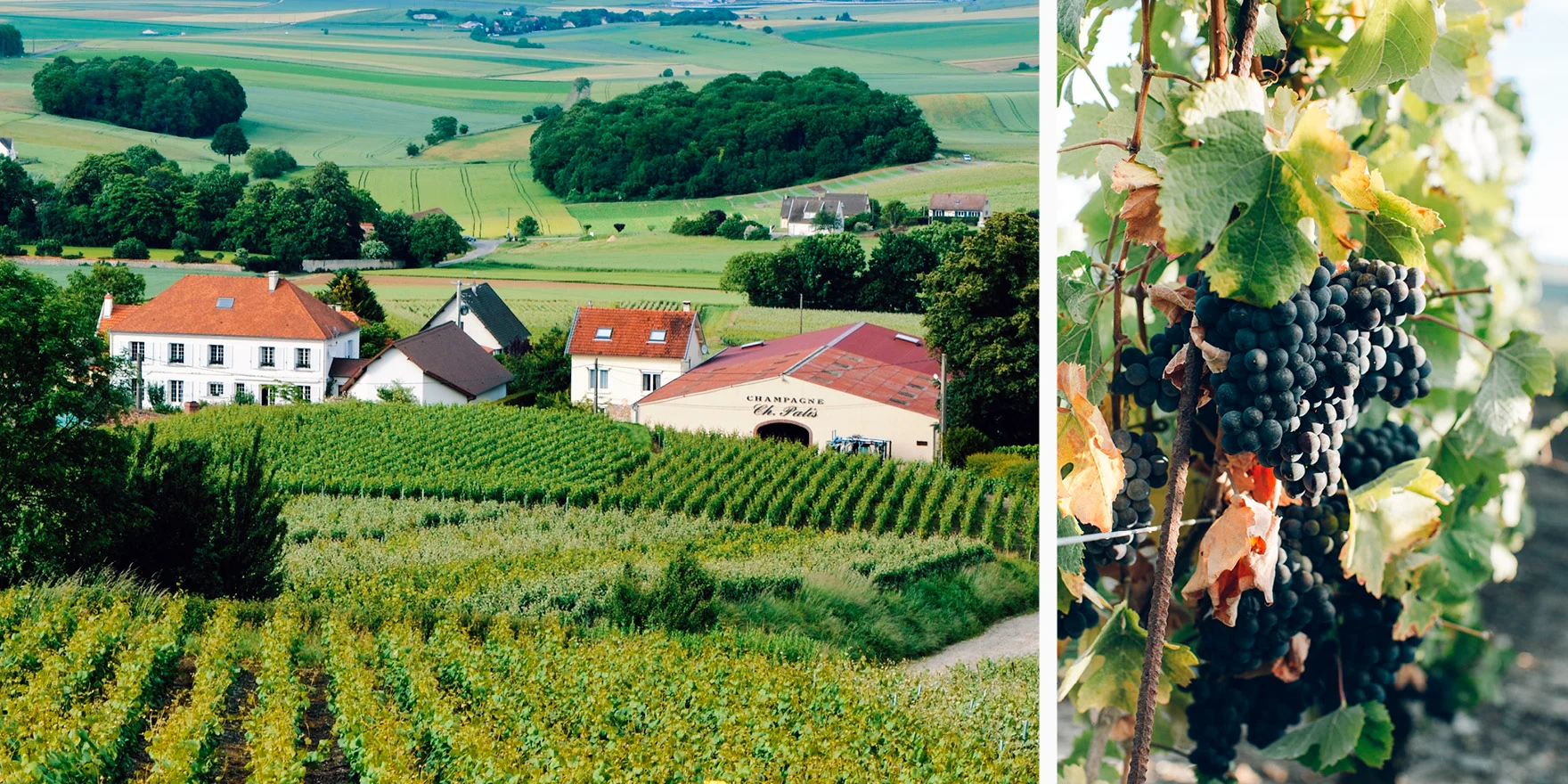
The majority of large and well-established Champagne houses, known as “grandes marques,” buy grapes from dozens (sometimes hundreds) of farmers throughout the large French region of Champagne and blend them to churn out millions of bottles of wine every year—the goal being that each bottle, no matter the year, taste the same as every other bottle. But grower Champagnes are wines made by the same people who farm the vines and direct the harvest themselves. These farmers are proving that there are infinite intricacies to the region (wine from the southern Aube, say can be entirely different from one from the northern Montagne de Reims) and the category, too: land, grape vintages, and production methods differ, and harnessing this means more exciting wine by the attentive makers, and more discovery and fun on the part of the buyer and drinker.
Over the last decade or so an incredible number of growers have come online, with a new generation of producers—and importers—selling these wines around the world. You don’t even have to visit France to get a primer: Access to grower Champagne bottles in the US and elsewhere is at an all-time high, which means that there is plenty of opportunity to delve in.
Writer Jon Bonné has done so with impressive depth. For the last five years, Bonné has been traveling throughout France, researching his forthcoming book The New French Wine. He shared a few good things to know, plus five selections for buying grower Champagnes that will provide a good jumping off point for exploration.
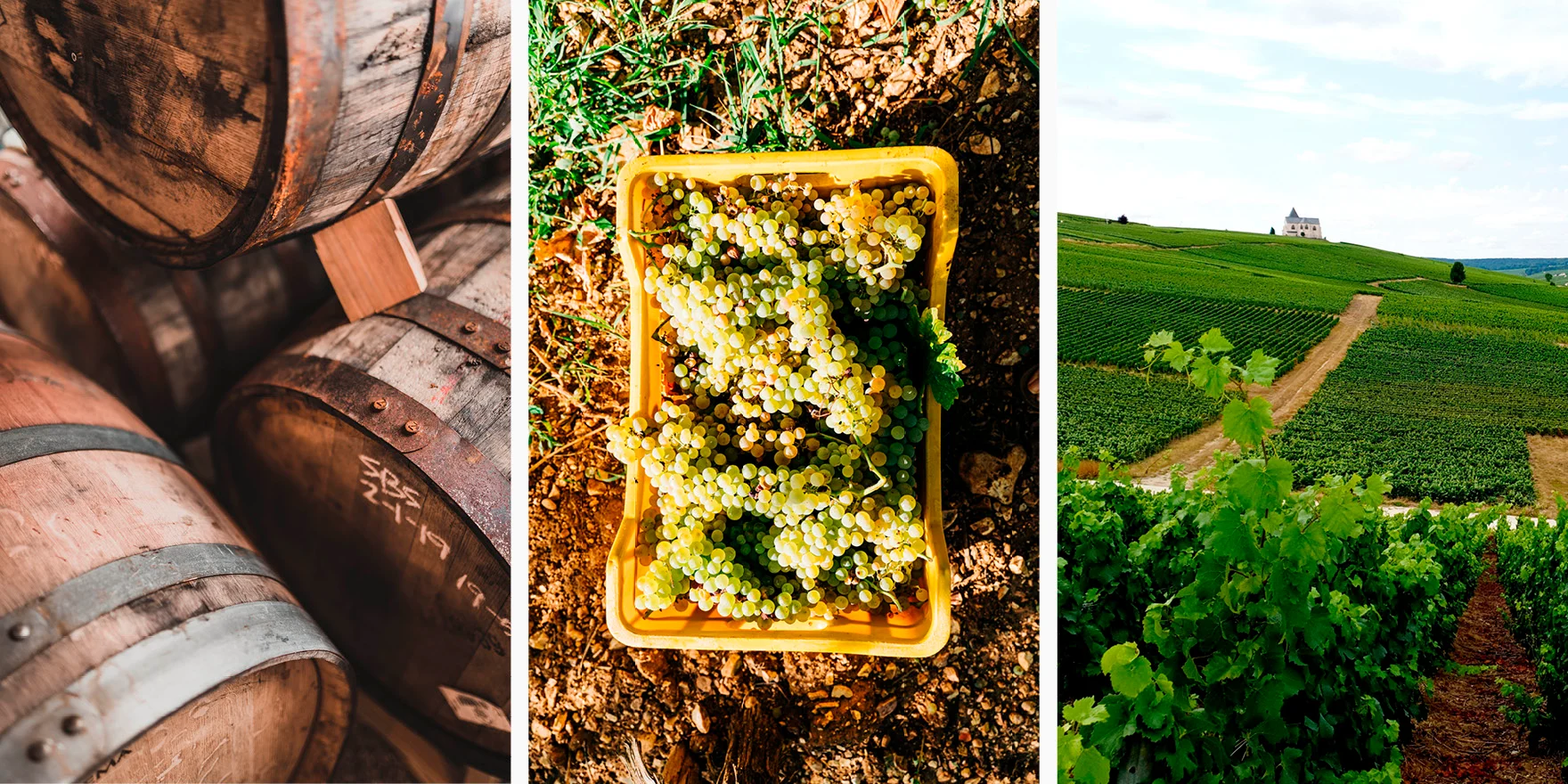
The best Champagnes, like other wines, are connected to the land.
“In the early days of grower Champagne, or American’s understanding of grower Champagne, and [prominent importer] Terry Theise and ‘farmer fizz,’ it was about this economic proposition against the big production and for artisanship, the side of Champagne that wasn’t the big brands. Where it’s moved now is to this idea that Champagne needs to be produced and considered the way any other wine is. It should be a vigneron’s wine, made with a deeper connection to land, thinking about great viticulture, with specific decisions made in the cellar, unique expressions of a unique terroir. These producers are working in the way Burgundians work or the way Jacky Blot does in the Loire or Thierry Allemand works in Cornas, giving individual perspectives on individual places. And it has the benefit of being the most delicious wine in the world. You get a vague sketch of what the terroir is in a large production wine. You get a crystal-clear etching of what the terroir is in these wines.”
Grower Champagnes are… growing.
“In the late 2000s and early 2010s, grower Champagne had risen from having 1% to having 5% of the US market. Which doesn’t sound like much, but they’re not aiming to take over 50% of the market. I’d say this idea of artisanship really solidified in 2010—so it’s been a decade, at most.”
The artisanal method is making waves with (some) big houses.
While the big houses aren’t necessarily going the grower route anytime soon, “[the ones] that are really serious are [now] making Champagnes that are drier than they used to be, less sugar added, and with less widespread blending [from all around the region],” Bonné says. “At the pinnacle of [these changes] is Louis Roederer, which took its non-vintage Champagne and evolved it to be like Krug, where every release has its own number. It’s their way of saying, ‘this is our mainstay, but we believe the differences year to year are important.’”