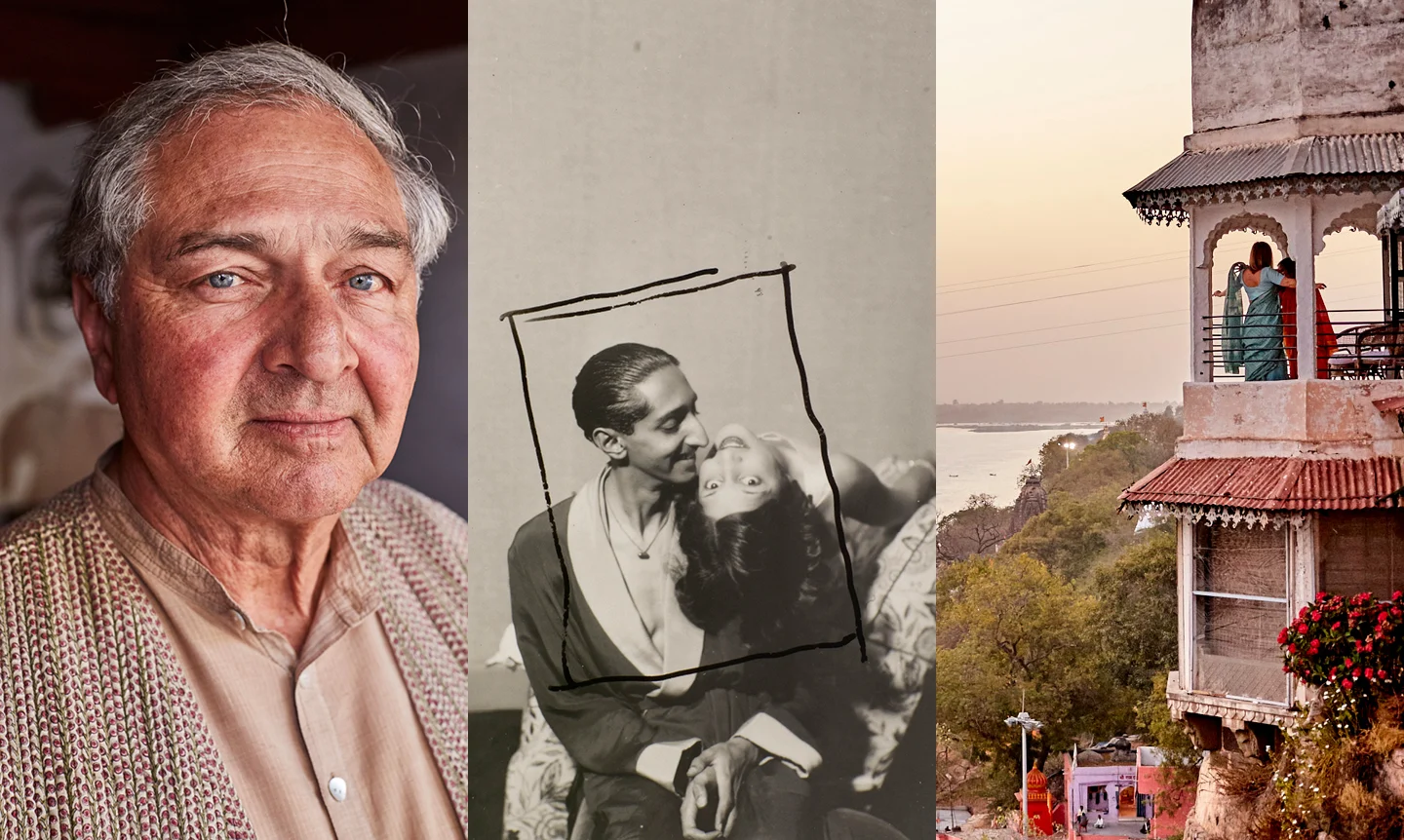
Floating down the Narmada River in a sea of candlelight at dusk, under the imposing shadow of Ahilya Fort, is one of the great experiences of the sub-continent, according to acclaimed author and India historian William Darymple. It is a piece of theater that not only is transportive for travelers, but also something so true to the spirituality and drama of this little-known corner of India that it could only be orchestrated by someone with a true depth of knowledge and connection to the place, and that person is Richard Holkar.
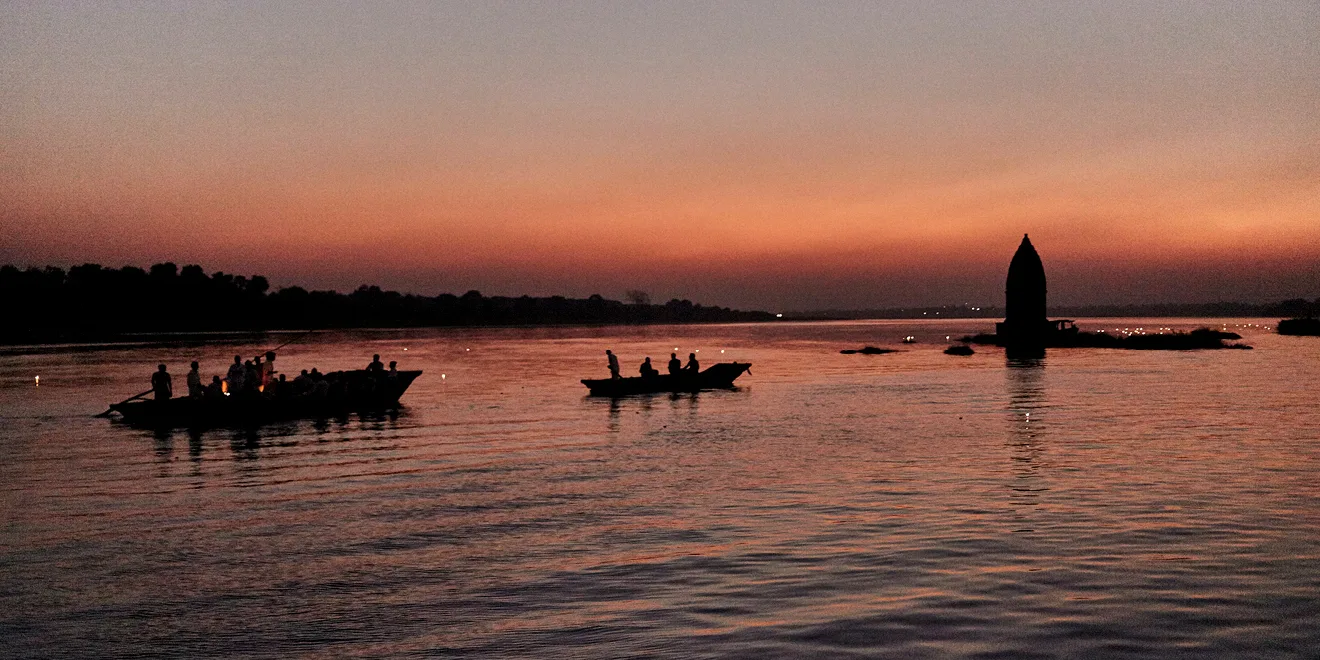
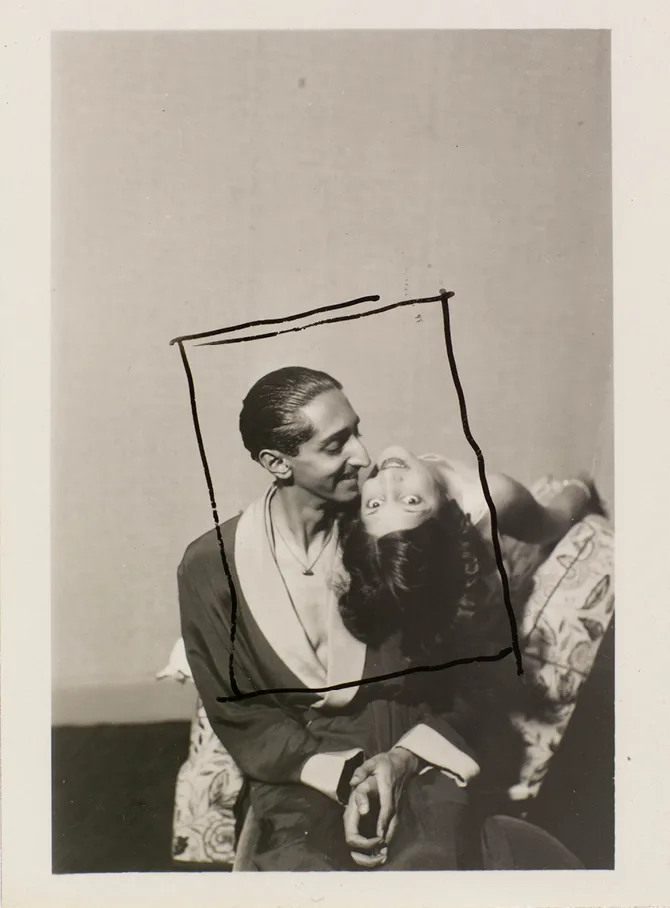
Richard is the descendant of Maharani Ahilyabai Holkar, a warrior queen who helped to liberate India from the Mughal Empire in the late 18th century and built the fort over the sacred river at Maheshwar. The Holkar State, based in nearby Indore, became one of India’s most important princely states, and Richard’s father, Maharaja Yeshwant Rao Holkar II, was the last Holkar maharaja, celebrated for his stylishly progressive taste. Richard transformed this historic fort into a hotel that is indisputably one of India’s most charming, and which feels like being warmly welcomed into this illustrious family’s 250-year-old country house.
This history, and a supremely refined yet understated way of living, courses through Ahilya Fort today. So, we thought, who better to go to the heart of Ahilya than William Dalrymple—the world’s preeminent expert on Indian history, frequent hotel guest and friend of the fort? He conversed with Richard and son, Yeshwant Holkar—who has stepped in to run the hotel and its newer sibling, Ahilya by the Sea—on the unique magic of Maheshwar. —Prior Team
This history and a supremely refined yet understated way of living courses through Ahilya Fort today. So, we thought, who better to go to the heart of Ahilya than William Dalrymple—the world’s preeminent expert on Indian history, frequent hotel guest and friend of the fort? He waxed lyrical with Richard and son, Yeshwant Holkar on the magic of Maheshwar. —Prior Team
William Dalrymple: For those who don't know, could you just paint the picture of Maheshwar and its significance?
Richard Holkar: Maheshwar is right in the center of India, on the banks of the Narmada River. The Narmada is about 1,300 kilometers long and very holy—many consider it holier even than the Ganges, because it is known [in Hindu lore] that Mother Ganges comes to take her cleansing bath not in her own waters, but in Narmada’s waters. It is a perennial river made up of about seven major pools, and one of them is in Maheshwar, in front of the fort. It has on its banks Omkareshwar, a site of important Hindu pilgrimage. And Maheshwar has the RajRajeshwar Shiva temple, which was the object of Ahilyabai’s worship in the late part of the 18th century. One reason she established herself in Maheshwar was to be close to both that temple and the Narmada River.
WD: So who was Ahilyabai, this great warrior queen?
RH: Ahilyabai is arguably the most famous of the Holkars. She was the daughter-in-law of our family’s founder [Malhar Rao Holkar, a warrior who fought to take back India from the Mughals in the 1700s and was awarded land around Maheshwar]. Through a series of circumstances, her husband died, her father-in-law died, her son died, and she was then accepted by her co-leaders as the political head of the House of Holkar. Those 30 years when she was in Maheshwar, she ensured that her lands were peaceful and her generals were off guarding the frontiers.