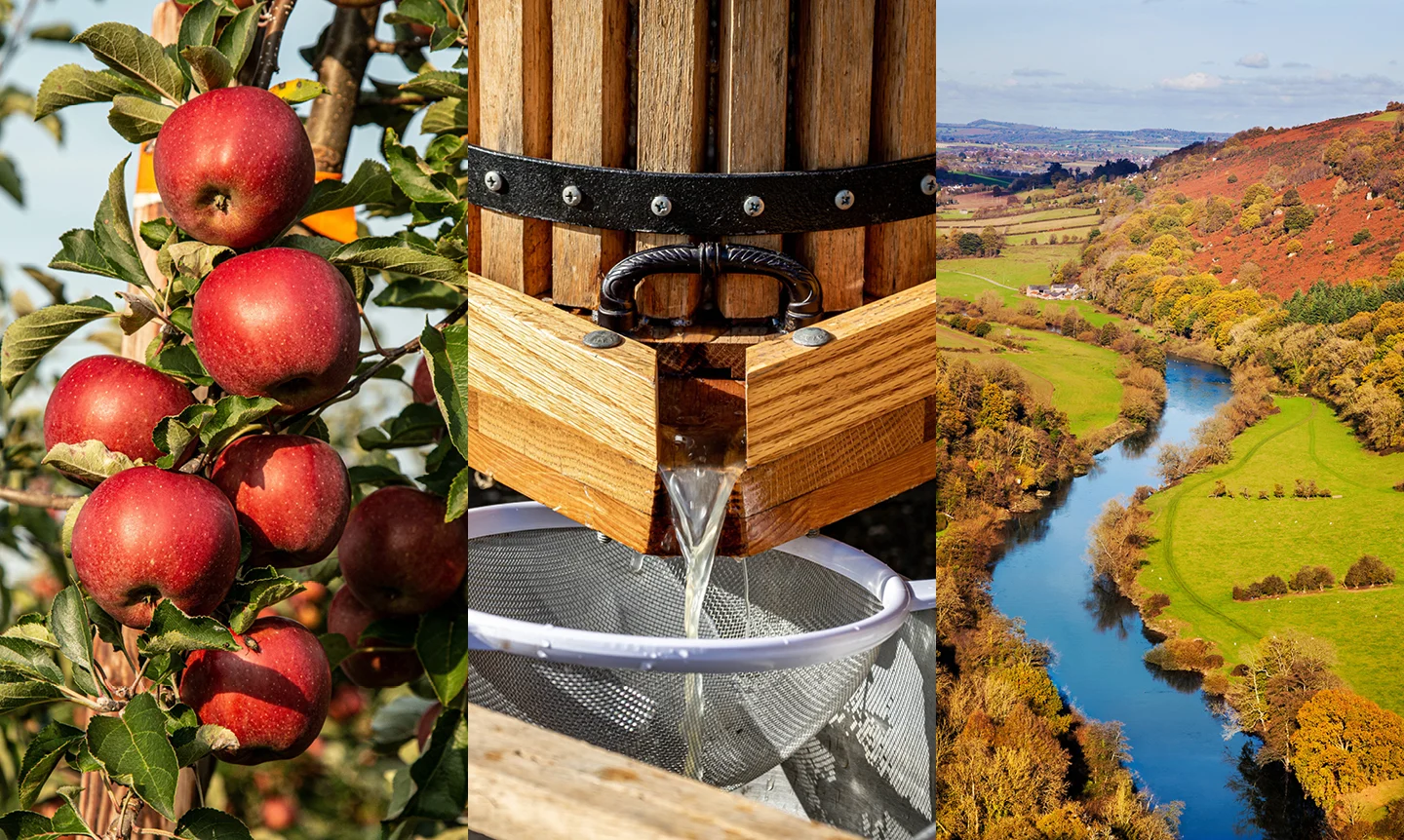
Cider is an intersectional beverage. It is simply pressed and fermented apple juice, but one with centuries of history, tradition, and innovation that now ties regions and eras together. The origin of the apple lay in the area which is today Kazakhstan and Kyrgyzstan, where bands of wild horses roamed the forests of the Tietian Shan Mountains. Over the centuries the wild cultivars that grew there spread with trade and conquest, naturalizing to a wide variety of climates from the Bahamas to the northernmost reaches of Scandinavia. Today an expanding interest in making it and drinking it has wrought cider into a wider category, with innumerable styles, apple varieties, and approaches now out there to taste.
While all apples can be made into cider, not all will yield exciting results. There are over 30,000 varieties of apple, and the many that were selected for commercial purposes at one point in time or another were done so for a noteworthy feature. Types like the Newtown Pippin from Queens, New York for example, held up extremely well to transatlantic journeys. Gravensteins were beloved in Europe for centuries before determined growers in California sold them dried on an industrial scale. Macintosh were discovered in an Ontario thicket in the early 19th century before they were widely planted on behalf of their cold hardiness and ease of growing, while others like Kingston Black of Herefordshire and Harrison of New Jersey made exceptional cider. While all of the best ones for cider have extreme levels of tannin and acid that would be unpleasant eaten fresh or in a pie, they can become transcendent once fermented.
The global cider community is becoming more interconnected, with emerging cider makers learning from one another and breaking ground and barriers in places like Hokkaido in Japan, Almaty in Kazakhstan, and Oaxaca in Mexico. It is an open and fluid community without the baggage and dogma of wine, but with a similar ability to capture a sense of place in a bottle.
While cider making certainly has limitless potential for innovation, the expansion is happening in tandem with a pressing need for agricultural communities around the world to adapt to changing landscapes and climates. Over the next ten years, makers will no doubt develop a deeper understanding of how to unlock even more complexity and potential in the fermentation processes, and how to continue to evolve—and even pioneer—in the face of climate challenges.
These are some notable cider producers around the world with particularly innovative and inspiring varieties that can help you expand your knowledge—and your bottle stock.

FROM ASTURIAS, SPAIN: Trabanco Natural Finca San Pedro de Anes
This area of northern Spain, Asturias, has one of the oldest cider—or sidra—traditions in the world. In the cultural hub of Gijon, it is tradition to pour from the iconic green bottles up high with outstretched arms into tall wide mouthed glasses, and to distribute just enough each time for drinkers to empty their glasses in a single swig. Asturian cider is the antithesis of the alco-pop imitators that are becoming more commonplace worldwide today. It is sharply dry, with bright bursting acidity, and delicate tannins, and it’s typically not sparkling at all. Most of the 80 million bottles produced annually are consumed locally in Asturias, marking celebrations as well as daily routines for the million residents of the province. Thanks to producers like Castanon and Trabanco—who are continuing to improve orchard practices, try new new varieties, and refine fermentation—and an increasing nod to the classic styles of this area, there are more and ever more interesting sidras reaching a larger audience both in Spain and abroad.
Trabanco Natural Finca San Pedro de Anes is a classic sidra naturale that is both savory and fruity, with just a touch of “animal”. It’s made mostly from Asturias’ estate grown Lin apples, a local heritage variety, and indigenous yeasts. Serve (per tradition, a sip’s worth at a time) with croquettes or a rustic dish like Fabada Asturiana, a local pork and bean stew.

FROM HEREFORDSHIRE, ENGLAND: Oliver’s Fine Cider Bottle Conditioned Medium
British cider, a long neglected staple of pubs, is undergoing the largest revitalization in over a century. Down the dirt roads of England’s West Counties, past century old apple and pear trees, one can still find some of the finest cider being poured in dusty garages from plastic jugs, and sipped and savored by locals and in-the-know weekend travelers. A new crop of makers is drawing inspiration from continental natural wine, American craft beer, and generations of homegrown history and knowledge to reinterpret the surplus of mature cider-specific apples found in orchards dotting the countryside. Some of the more intrepid—like Stravecrow, Little Pomona, and Oliver’s Fine Cider—have helped bring it out of the jug and onto some of the finest tables in the country.