Sometimes the most enchanting artwork isn’t framed and hung on walls. It’s the walls themselves—or the floors beneath our feet. Thanks to painstaking craftsmanship that can withstand the ages and careful preservation, decorative tile art from centuries past endures around the globe. From awe-inspiring mosaics in Ottoman-era mosques to Portugal’s celebrated azulejos, muraled floors greeting visitors in London’s art institutions to the beguiling kaleidoscope of Moorish mosaics in Spanish palaces, the periods and styles of tile art are as nuanced and evolving as the ancient empires and borders in which they were created.
To seek out the finest examples of historic tilework around the world, we asked Sarah Watson, founder of Balineum bathroom design company in London, which specializes in traditional hand-painted English and Italian tile, to share some of the most compelling travel destinations and iconic public sites for marveling at decorative tile art from eras past.
Istanbul
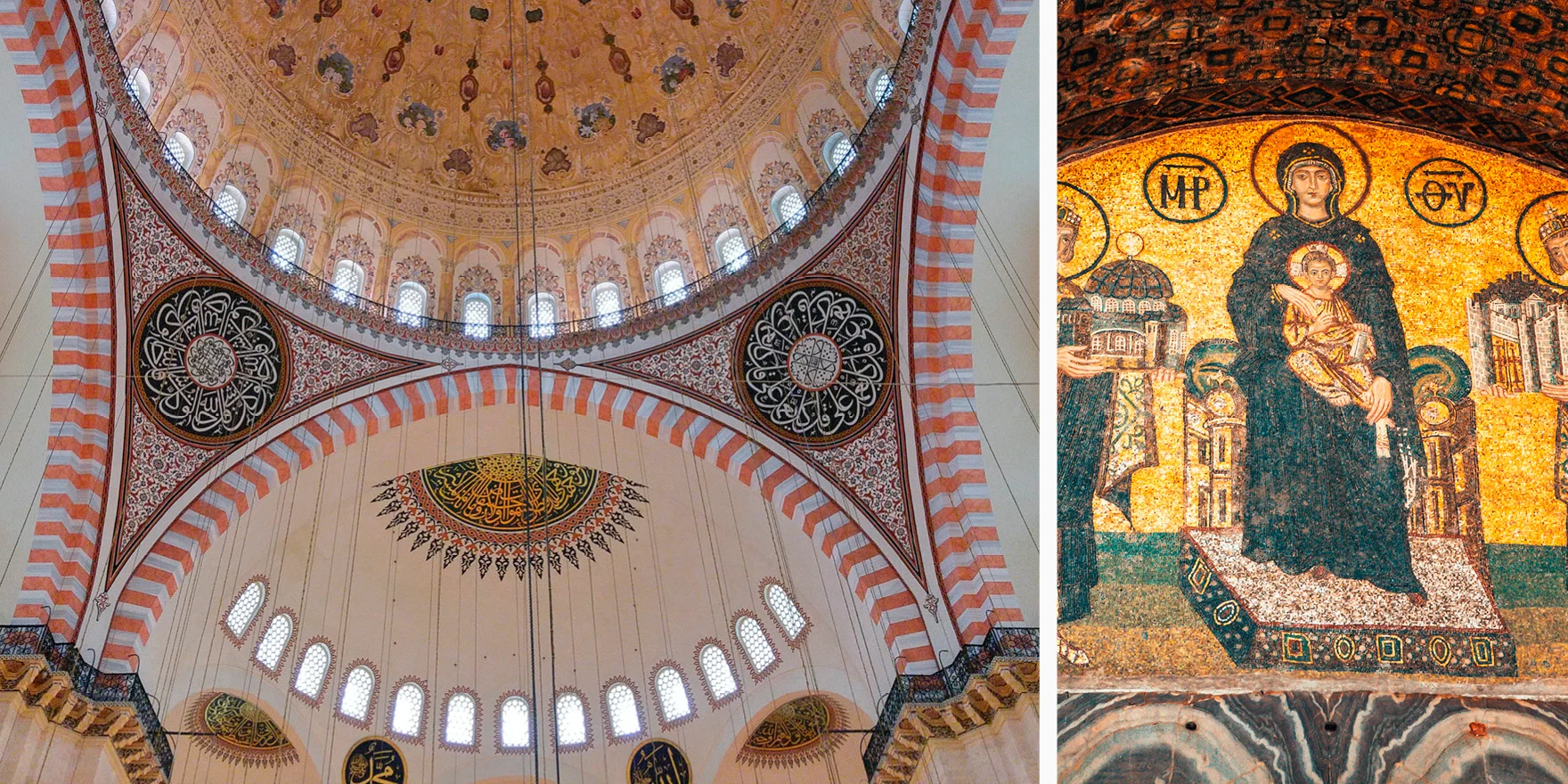
During the Ottoman Empire, the Turkish town of İznik became world-renowned for its tiles elaborately painted with flowers, arabesques, and inscriptions in blues, oranges, and other gem-like colors. The highly-technical tiles were used throughout Turkey, as well as exported. Today, Watson says that Istanbul’s grand mosques are some of the finest places to see İznik tile art in its glory. She recommends staring up at the İznik-laden columns and domed ceilings of the Süleymaniye and Hagia Sophia mosques. Afterward, she stops at Karakoy Lokantasi café for a drink or quick bite amid more gorgeous and characteristic tilework.
Lisbon and Porto
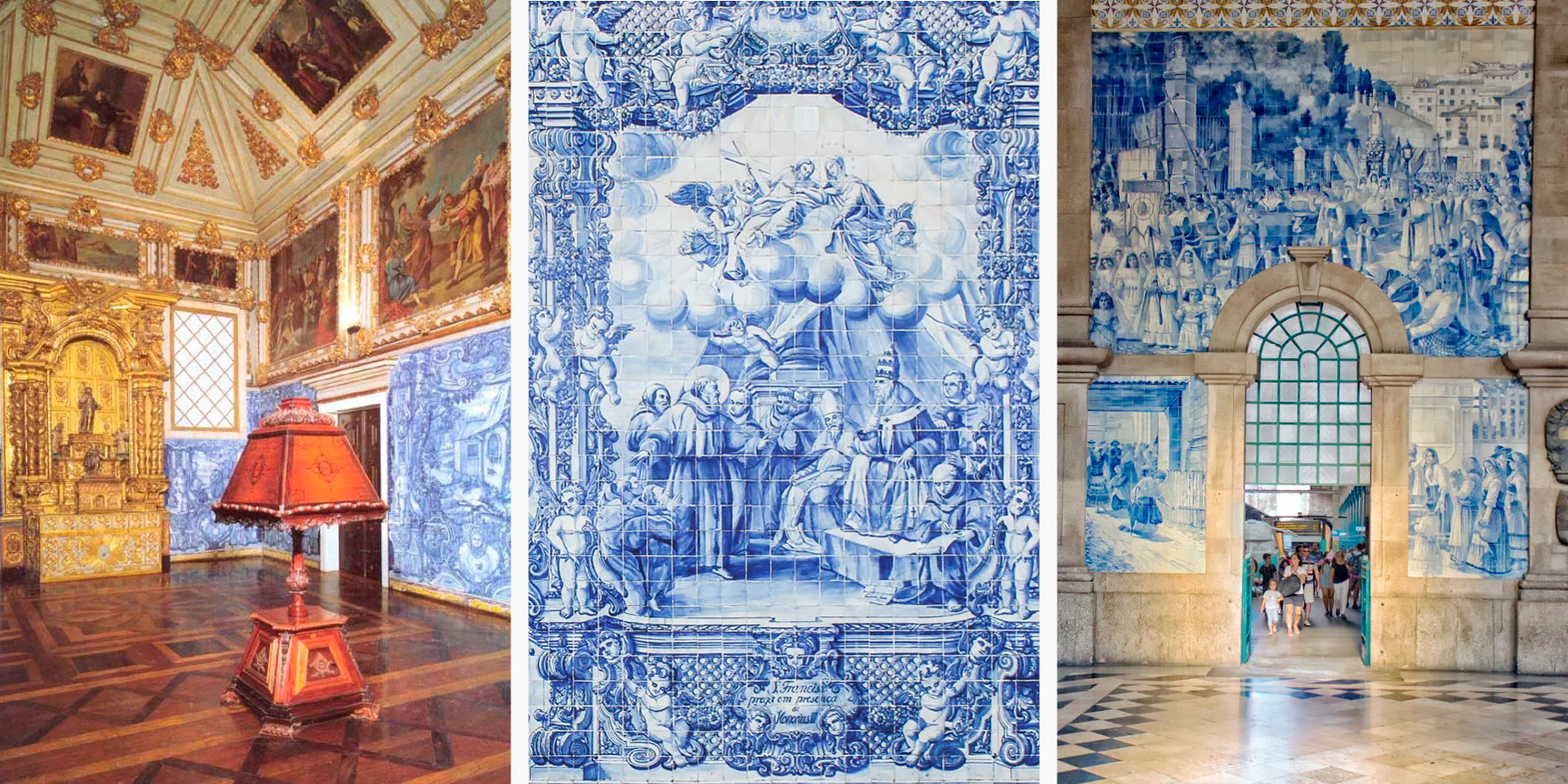
Travelers don’t have to hunt for ornate blue-and-white or multicolored azulejos in Portugal’s two most popular destinations. Originating from az-zulayj, the Arabic term for “polished stone” (since it’s the Moors that brought this style of glazed, hand-painted tile to Europe), the art form that’s now synonymous with Portuguese culture decorates streets, churches, squares, fountains, and scenic overlooks throughout both cities. In energetic Lisbon, Watson recommends the Museu Nacional do Azulejo to see extraordinary examples of the tile’s progression from the 15th-century to present day. In charming Porto, spin around the lobby of the French Beaux-Arts São Bento Railway Station to take in sprawling historical murals, crafted by Jorge Colaço from 1905 to 1916 using a staggering 20,000 tin-glazed tiles.
Palermo
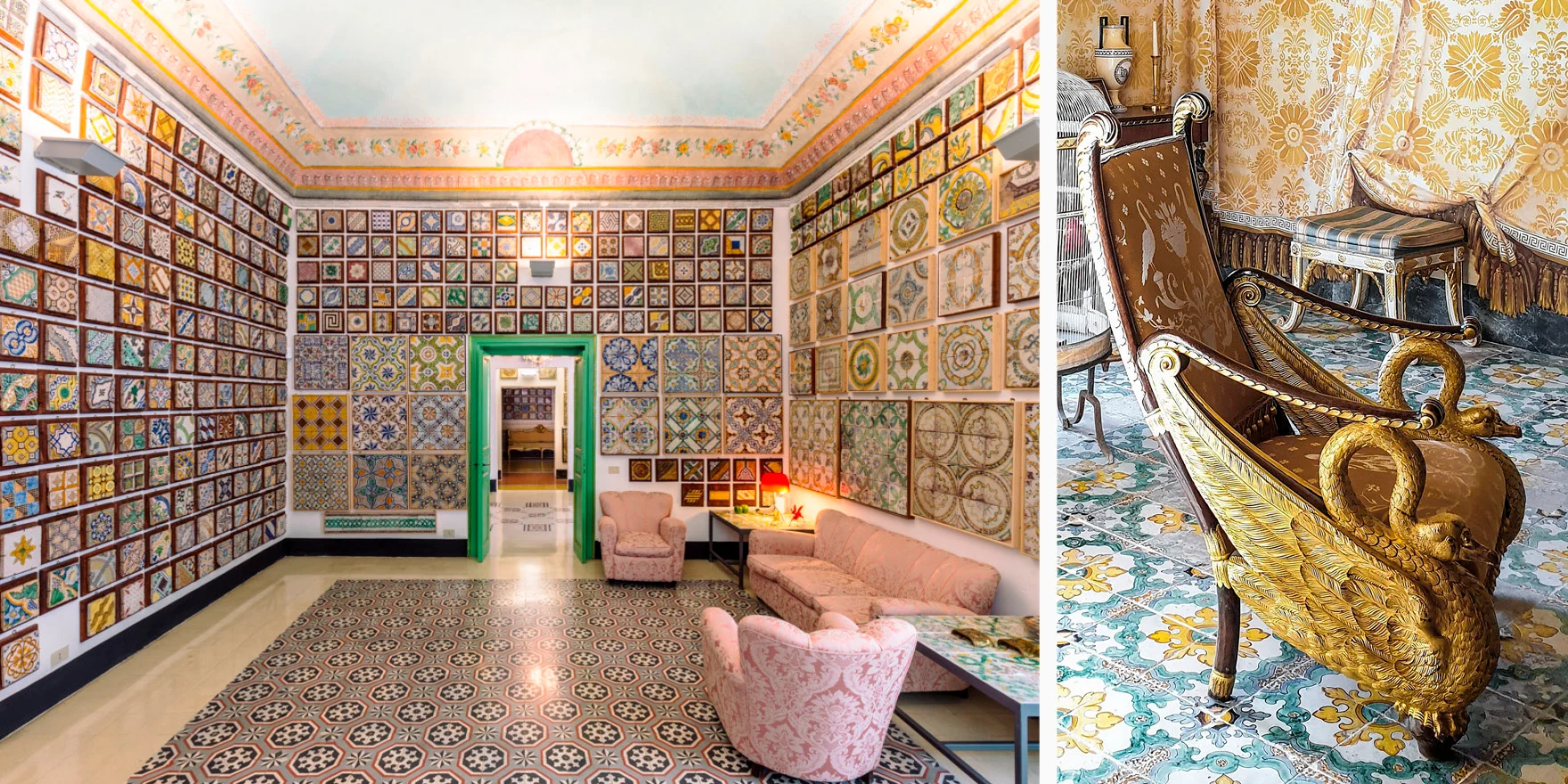
Scoring an invite to a Sicilian family home showcasing over 5,000 handcrafted maiolica tiles from the 15th- to 20th-centuries is a reality when visiting Watson’s favorite place to see decorative tile in Palermo: Stanze al Genio. The private home and part-time museum is a dreamscape of tiles, mostly crafted in Sicily and Campania, arranged by period and geographical origin. It’s one of the largest private collections in Europe that’s open to the public. (While on the island, Watson als recommends a side trip to the Baroque city of Noto to see incredible tiled floors patterned with leopard, faux bois, pink stripes, and floral motifs at the lovingly renovated Palazzo Castelluccio.
Granada and Seville
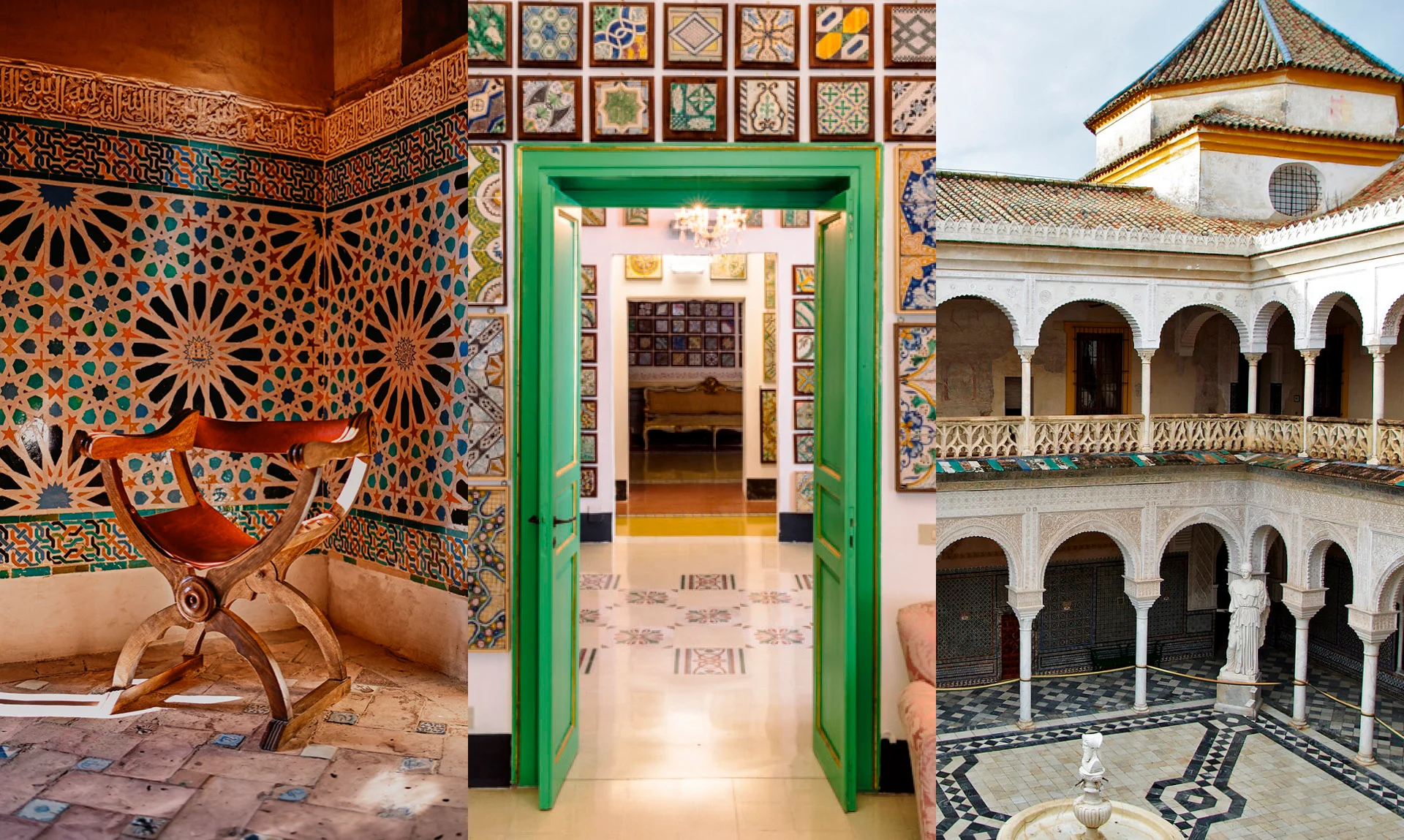
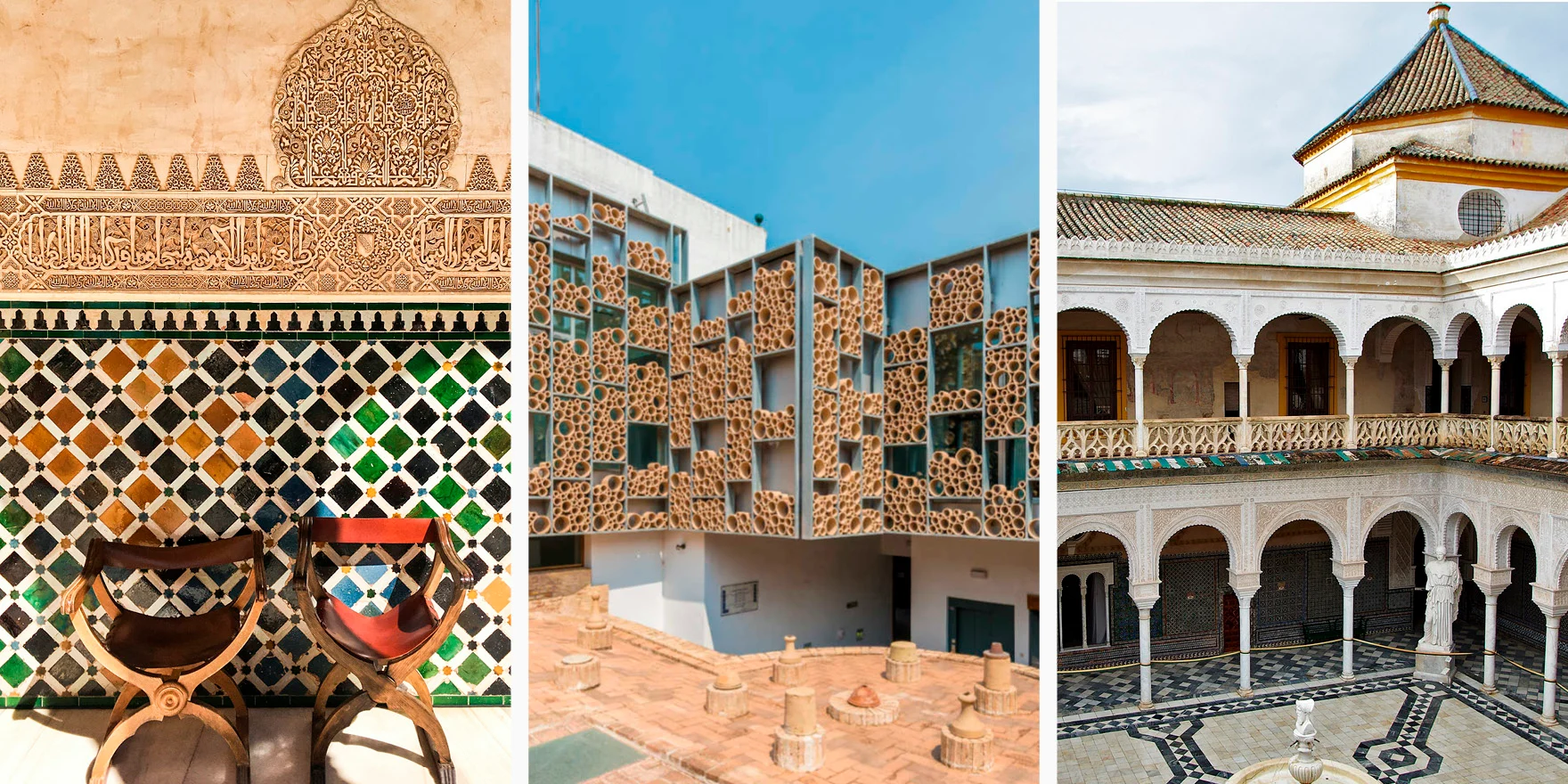
Tourists flock to Granada’s majestic Alhambra to see exquisite Nasrid architecture, characterized by plain exteriors paired with elaborate interiors exploding with vibrant dado panels and other geometric tilework. Watson recommends combining it with a visit to Seville’s Centro Cerámica Triana, a preserved ceramics factory, and Casa de Pilatos civil palace (which she finds even more beautiful and interesting than Granada’s famed fortress). The palace’s central courtyard with tiled floors, a grand fountain, intricate arches, and colorful wall tiles is done in the Mudejar style, a blend of Moorish and Christian-Gothic design.
Paris
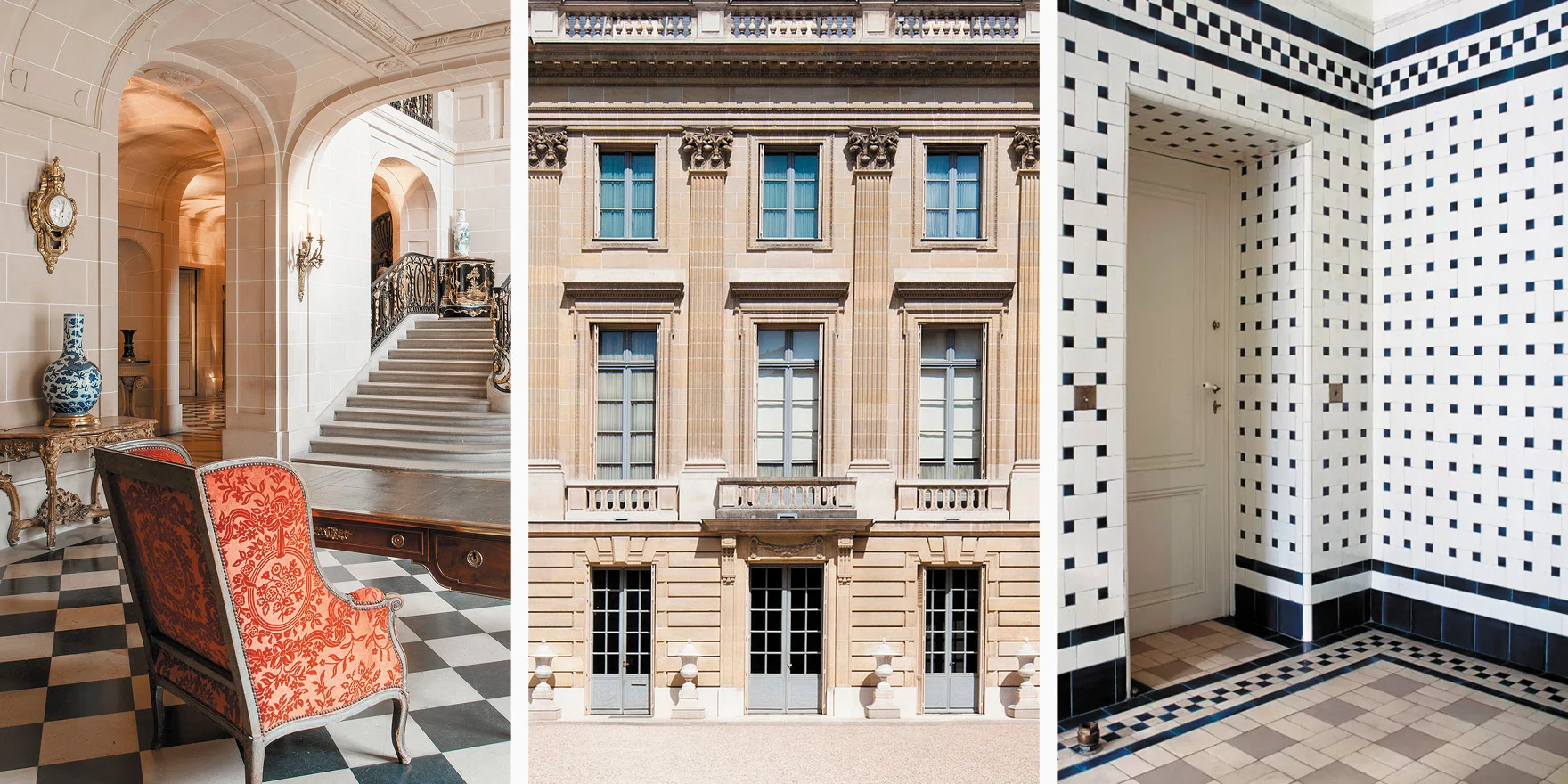
A mansion that once housed the Camondo family and their priceless belongings, the Musée Nissim de Camondo is home to a fascinating family history, as well as one of the world’s most famous collections of French eighteenth-century art, furniture, and objet. Built in 1914 in the style of Versailles’ Petit Trianon, the house and all of its contents became a museum in 1936, dedicated to the memory of the family’s son, a pilot who died in WWI, and has remained virtually untouched ever since. In juxtaposition to the ornate, gilded antiquities here are one of Watson’s favorite examples of tile in all of France: several original bathrooms featuring glazed tiles in simple, geometric patterns that were considered quite modern for the time.
Marrakech
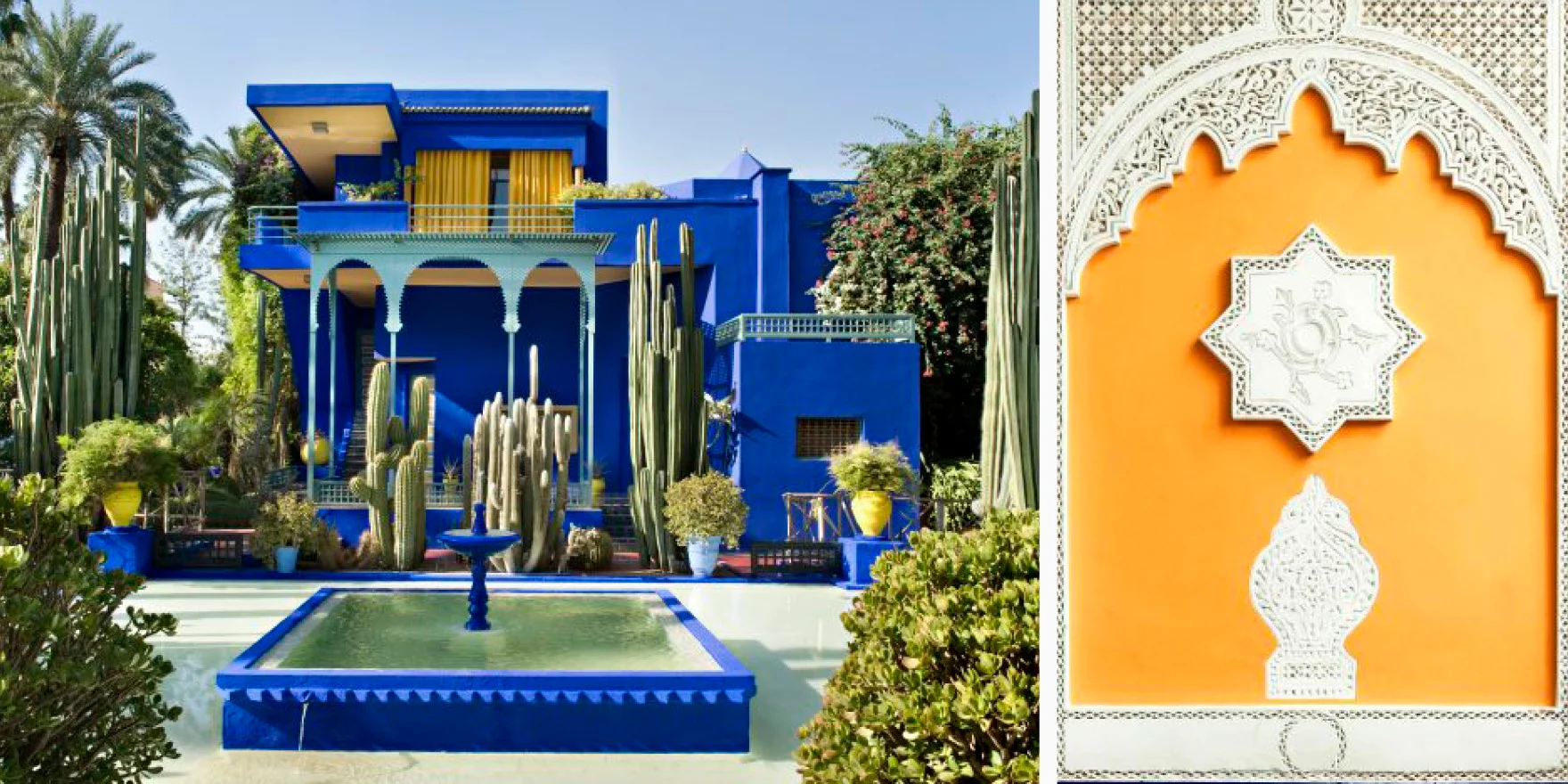
First built, planted, and nurtured by French landscape painter Jacques Majorelle in 1924 to showcase cacti, succulents, and other exotic plants from around the globe (then later rescued from a wrecking ball in 1980 and lovingly restored by fashion icon Yves Saint Laurent) Jardin Majorelle is a can’t-miss in Marrakech. Painted in a mesmerizing cobalt officially trademarked “Majorelle Blue,” the blocky buildings are the perfect backdrop for lush gardens—and varied styles of Moroccan tilework. Tiled highlights include fountains, pools, and courtyard stairs decked out in signature glazed blue and green checked tiles, and the magnificent grand salon lavished with colorful, hand-cut zellige mosaics.