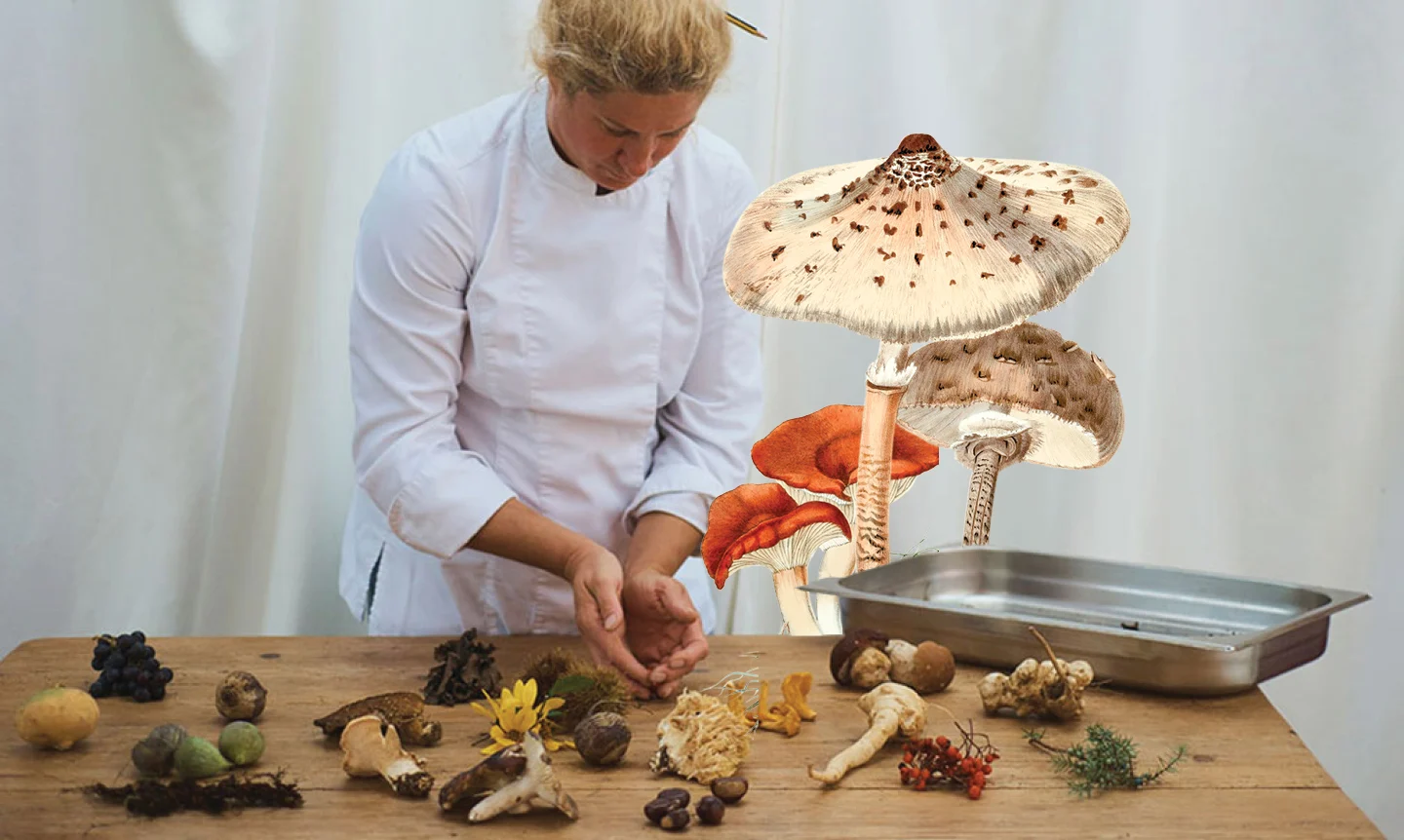
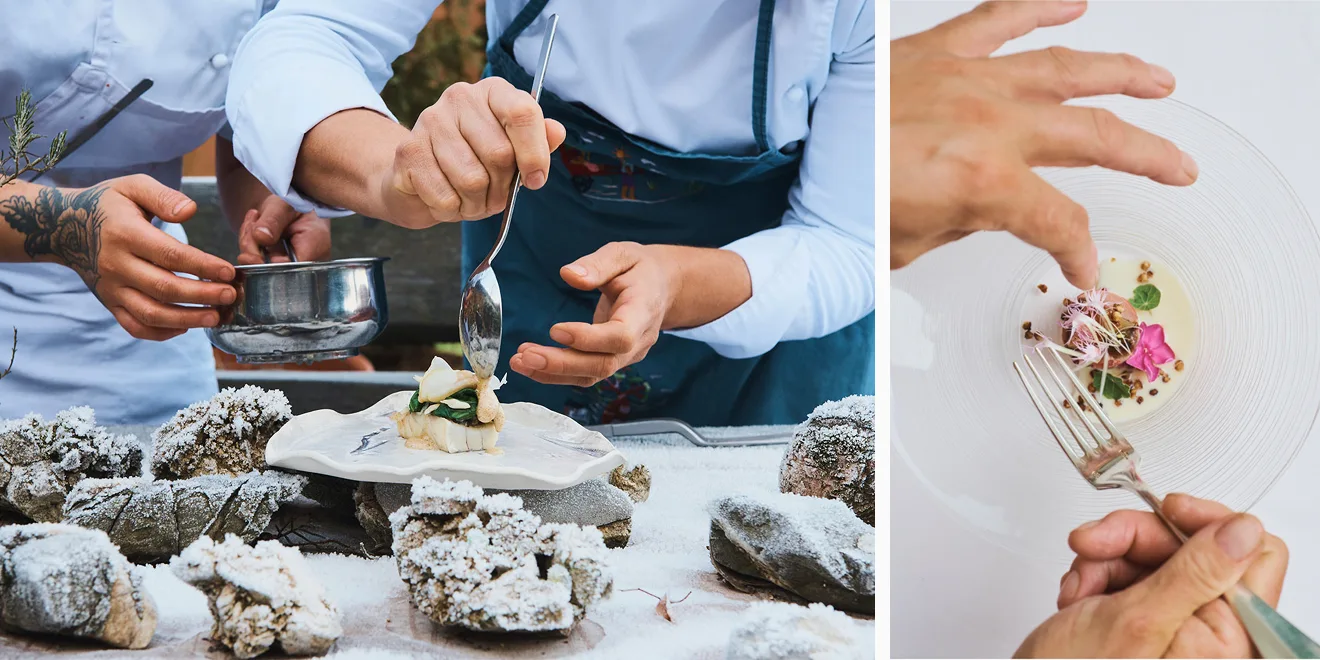
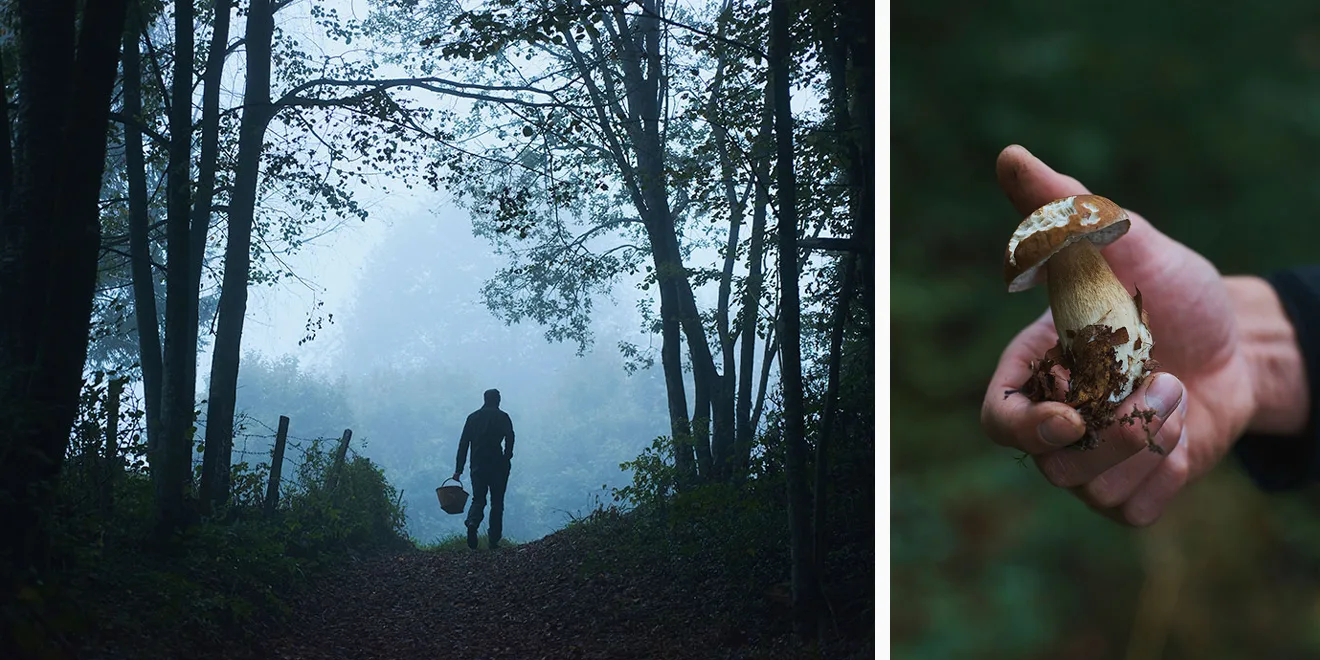
At Hiša Franko, Ana Roš’ tiny, world-famous restaurant in Slovenia’s fertile Soca Valley, every last detail of the seasonally tuned menu is in perpetual daily flux. Surrounded by mountain pastures, turquoise rivers, the sparkling Mediterranean and the dark forests that make up the area, the chef and her team have always sourced exactly seasonal ingredients from no more than 50 kilometers away to make up their nightly changing menu. On any given evening it might include cheeses and milks from mountain-grazing cows, flowers and berries from the nearby forests, wild boar and deer and rare marble river trout. But beginning in March of last year, everything else about Hiša Franko has been in flux, too. As Covid long kept closed the doors to her dining room, Roš—who has come to be known as a boundary pusher in the industry—bore an expectation to be thinking forward, and to spend the time thinking even more deeply about how to connect what we eat with where we are.
What was for centuries a practically borderless area of the map where German, Latin and Slavic languages and Italian and Austrian cultural and culinary traditions blended into a singularly Slovenian experience, the region—and Roš—were forced by Covid lockdown to draw borders and close doors. As she prepared to re-open the restaurant [on May 28], Roš acknowledged that the way visitors will come to her tables in the valley is changing, as is the way diners will interact with restaurants overall and worldwide. Here, Roš shares her best guess as to what it will feel like for things to open back up, plus: the challenges and the joys of beginning anew.
David Prior: What is happening right now in the Soča Valley?
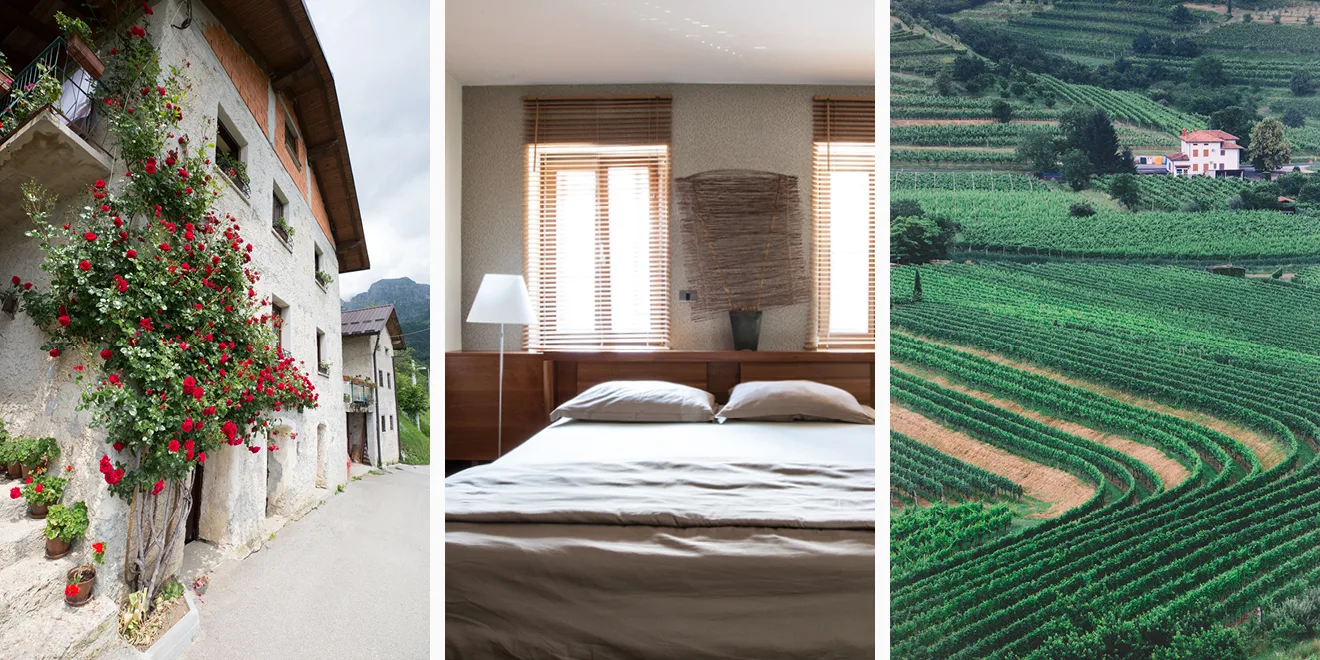
Ana Ros: It's getting sunny and beautiful. The mountains are covered with snow. It's all greenish in the valley. Slowly, slowly, we are reopening, which is amazing. We have been closed since October 26. Slovenia had a very rigid system. The reopening has been postponed many times. But this is what we need. We needed the borders to reopen, which will give us the opportunity to have international tourism so we can start working.
What do you think fine dining will look like on the other side of this? Before Covid, it was such a thing for people to fly to one restaurant here and another there in a kind of a box-ticking gastronomy. Do you think that is going to change?
Honestly, I don't believe that is going to change. But it will take time. I just came from Switzerland and I understand that travel now is not so easy. You need to do so many tests. The vaccination passport is still not working. But once the whole world uses the same language and establishes the same politics [about this], I think it will be an even better place. We will be a little bit more cautious. We will probably be a little bit more aware, also more self-aware and socially aware. And I think we will all be looking forward to having amazing experiences, because we miss socializing. We miss amazing meals. We miss seeing people in the restaurant. We miss a good glass of wine, or whatever. So I think we will be coming back even better than before.
You have a very interesting background, which I know has been written about a lot, having been an Alpine skier and the discipline that comes with that. But I'm super interested in the fact that you studied diplomacy, and I enjoy hearing you speak about internationalism and globalism. Is there a role that food can play, and restaurants can play, in diplomacy and a kind of global cooperation?
If you look from the French Revolution on, everything has happened at the table. I believe that restaurants are not only places where people have fun or celebrate, but also places where people discuss or conclude things. I believe that food is a connecting element between people. Even first dates—usually they happen in a restaurant. I do believe that food and gastronomy is one of the most important diplomatic languages.